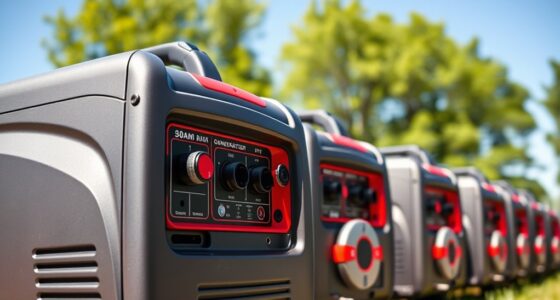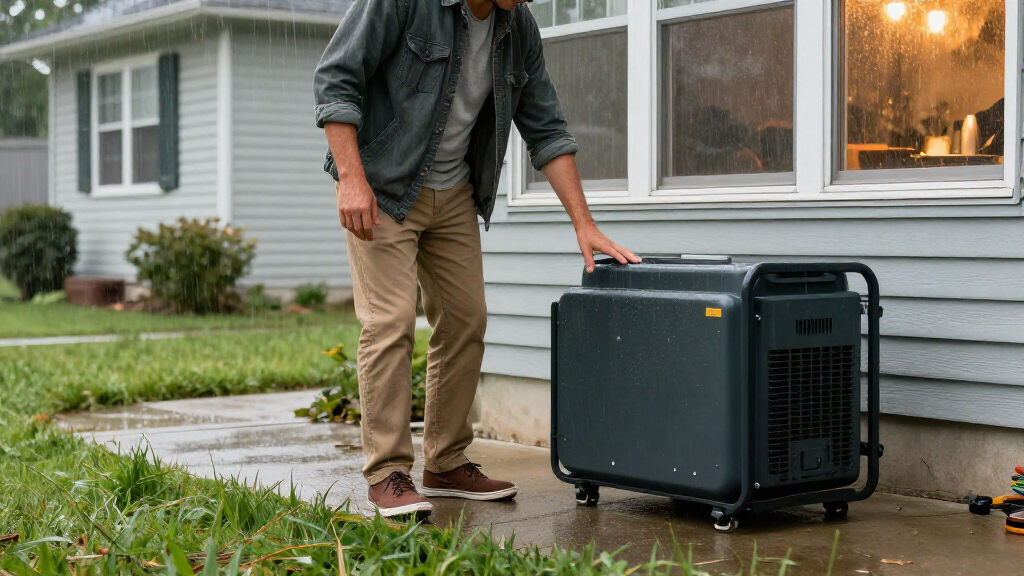
Whole home generators range from permanently installed standby systems that start automatically to portable units that require setup and manual connection. My best overall pick is the Generac 22 kW standby generator with a 200-amp transfer switch, a strong fit for homeowners seeking automatic backup and integrated monitoring. The Generac 24 kW is a better match for homes with heavier loads, while the Westinghouse WGen9500DF offers a portable, dual-fuel alternative for buyers who accept more hands-on operation. The main tradeoffs are automatic convenience versus portability, generator capacity versus the loads you actually need to power, and installation requirements versus setup flexibility. Read on for the full comparison and guidance on matching a generator to your home.

Get backup power and energy gear delivered free with Prime
- Fast, free delivery on millions of items
- Prime Video, Amazon Music and more included
- Member-only deals all year
Complete the kit


Key Takeaways
- The Generac 22 kW with a 200-amp transfer switch ranks first for buyers who want an integrated standby system; its automatic operation and included switch distinguish it from portable models that need manual setup.
- Standby capacity spans a wide range in this lineup. The 10 kW and 14 kW Generac models suit more limited backup plans, while the 24 kW and 26 kW options target homes with greater power demands.
- Transfer-switch packaging changes the buying equation. Several Generac models include a 200-amp switch, while the 18 kW and 22 kW cellular-connected listings do not specify one in their product names, so buyers should verify what is included.
- Portable output figures do not make a portable generator equivalent to a standby system. The Westinghouse WGen9500DF and DuroMax XP13000EH use dual fuel, while the Westinghouse WGen20000c offers a higher listed peak output; all still call for a safe, planned connection and hands-on operation.
- Fuel flexibility and automation solve different problems. The portable Westinghouse and DuroMax models let buyers choose between fuel types, while Generac’s standby lineup prioritizes fixed installation and automatic backup.
| Westinghouse WGen9500DF Dual-Fuel Portable Generator, 12,500-Watt Peak, Remote and Electric Start |  | Best Portable Whole-Home Backup | Fuel: Gasoline or propane (LPG) | Running output: 9,500 watts on gasoline; 8,500 watts on propane | Peak output: 12,500 watts on gasoline; 11,200 watts on propane | VIEW LATEST PRICE | See Our Full Breakdown |
| Generac 22 kW Whole-Home Standby Generator with 200 Amp Transfer Switch and Cellular Connectivity |  | Best Overall Standby Balance | Fuel: Natural gas or liquefied petroleum gas | Voltage: 240 volts | Transfer switch: 200-amp automatic | VIEW LATEST PRICE | See Our Full Breakdown |
| Generac 24kW Whole Home Standby Generator with Transfer Switch and Cellular Connectivity | | Best for Higher Household Loads | Fuel: Propane or natural gas | Voltage: 240 volts | Transfer switch: 200-amp automatic | VIEW LATEST PRICE | See Our Full Breakdown |
| Generac 10 kW Whole-Home Standby Generator with Transfer Switch and Cellular Connectivity |  | Best for Essential-Circuit Backup | Fuel: Natural gas or liquefied petroleum gas | Voltage: 120 volts | Transfer switch: Automatic 16-circuit | VIEW LATEST PRICE | See Our Full Breakdown |
| Generac 26 kW Whole Home Standby Generator with 200 Amp Transfer Switch and Cellular Connectivity | | Best for Maximum Listed Standby Capacity | Fuel: Propane; product description also lists natural gas | Voltage: 240 volts | Transfer switch: 200-amp automatic | VIEW LATEST PRICE | See Our Full Breakdown |
| Generac 14 kW Whole-Home Standby Generator with 200 Amp Transfer Switch and Cellular Connectivity | | Best Lower-Capacity Automatic Standby Pick | Power output: 14,000 watts (14 kW) | Fuel: Natural gas or LP | Voltage: 240 volts | VIEW LATEST PRICE | See Our Full Breakdown |
| Generac 18 kW Whole-Home Standby Generator with Cellular Connectivity |  | Best Middle-Ground Standby Capacity | Running output: 18,000 watts (18 kW) | Listed starting wattage: 180,000 watts; confirm this figure | Fuel: Natural gas or propane | VIEW LATEST PRICE | See Our Full Breakdown |
| Generac 22kW Whole Home Standby Generator with Cellular Connectivity | | Best Higher-Capacity Standby Pick | Power output: 22,000 watts | Fuel: Natural gas or LP | Voltage: 240 volts | VIEW LATEST PRICE | See Our Full Breakdown |
| DuroMax XP13000EH 13,000-Watt Dual-Fuel Portable Generator |  | Best Dual-Fuel Portable Alternative | Surge output: 13,000 watts | Running output: 10,500 watts | Fuel: Gasoline or propane | VIEW LATEST PRICE | See Our Full Breakdown |
| Westinghouse WGen20000c Portable Generator, 28000 Peak Watts, Gas Powered, CO Sensor, Electric Start |  | Best High-Output Portable Backup | Running output: 20,000 watts | Peak output: 28,000 watts | Fuel: Gasoline | VIEW LATEST PRICE | See Our Full Breakdown |
| whole home generator | Fuel | Voltage | Weight | Connectivity |
|---|---|---|---|---|
| Westinghouse WGen9500DF Dual-F | Gasoline or propane (LPG) | — | — | — |
| Generac 22 kW Whole-Home Stand | Natural gas or liquefied petroleum gas | 240 volts | 451 pounds | Built-in cellular; Mobile Link premium subscription required for app features |
| Generac 24kW Whole Home Standb | Propane or natural gas | 240 volts | 461 pounds | Built-in cellular; Mobile Link app |
| Generac 10 kW Whole-Home Stand | Natural gas or liquefied petroleum gas | 120 volts | 384 pounds | Built-in cellular; Mobile Link premium subscription required for app features |
| Generac 26 kW Whole Home Stand | Propane; product description also lists natural gas | 240 volts | 524 pounds | Built-in cellular; Mobile Link app |
| Generac 14 kW Whole-Home Stand | Natural gas or LP | 240 volts | 391 pounds | Built-in cellular; Mobile Link app |
| Generac 18 kW Whole-Home Stand | Natural gas or propane | 240 volts | 426 pounds | Built-in cellular; Mobile Link app |
| Generac 22kW Whole Home Standb | Natural gas or LP | 240 volts | 451 pounds | Built-in cellular; Mobile Link app |
| DuroMax XP13000EH 13,000-Watt | Gasoline or propane | 240 volts | 234 pounds | — |
| Westinghouse WGen20000c Portab | Gasoline | 240 volts | — | — |
More Details on Our Top Picks
Westinghouse WGen9500DF Dual-Fuel Portable Generator, 12,500-Watt Peak, Remote and Electric Start
The Westinghouse WGen9500DF is the portable pick for households that want substantial outage power without installing a permanently mounted standby system. It supplies up to 9,500 running watts on gasoline and can also run on propane, giving owners another fuel option when gasoline is scarce. Remote and electric starting simplify operation, while its 50-amp outlet can connect to compatible home transfer equipment. Compared with the Generac 10 kW standby generator, this model needs manual setup and does not start automatically when utility power fails, but it is easier to move and does not depend on a fixed gas line. Its 6.6-gallon tank supports up to 12 hours of runtime, though actual runtime varies with load. The large engine and assembly needs make it less convenient than a permanent standby installation.
Pros:- Runs on gasoline or propane, providing fuel flexibility during extended outages
- Remote, electric, and recoil starting offer several ways to start the generator
- 50-amp outlet supports connection to compatible transfer equipment
- Wheels, handle, and lift bracket help with moving and positioning
Cons:- Requires manual deployment and connection rather than automatic outage response
- Large 457 cc engine makes the portable unit substantial to handle and store
- Minimal assembly is required before use
Best for: Homeowners seeking high-output backup for selected household circuits who want gasoline and propane flexibility and can manage setup during an outage
Not ideal for: People who want automatic, unattended whole-home backup or need a permanently installed system that starts as soon as utility power fails
- Fuel:Gasoline or propane (LPG)
- Running output:9,500 watts on gasoline; 8,500 watts on propane
- Peak output:12,500 watts on gasoline; 11,200 watts on propane
- Engine:457 cc, 4-stroke OHV
- Fuel tank:6.6 gallons
- Runtime:Up to 12 hours
- Starting methods:Remote, electric, and recoil
- Notable outlet:120/240V 50A 14-50R
- Warranty:3-year limited
Our verdict“Choose the WGen9500DF if portable, dual-fuel power matters more than the automatic operation of a fixed standby generator.”
Generac 22 kW Whole-Home Standby Generator with 200 Amp Transfer Switch and Cellular Connectivity
For buyers who want automatic home backup without stepping up to the largest unit in this group, the Generac 22 kW offers a strong middle ground. Its 200-amp automatic transfer switch detects utility failure and brings the generator online, avoiding the manual setup required by the Westinghouse WGen9500DF. It runs on natural gas or LPG, so it can connect to a home fuel supply rather than relying on a portable tank. Built-in cellular connectivity can report status and maintenance alerts through Mobile Link, though app features require a premium subscription. The 24 kW Generac provides more rated output, while this 22 kW model is the more restrained choice for homes whose planned loads fit its capacity. At 451 pounds, it still needs a prepared site and professional installation.
Pros:- Automatically detects utility outages and starts backup power
- Includes a 200-amp automatic transfer switch
- Accepts natural gas or liquefied petroleum gas
- Cellular monitoring can provide remote status and maintenance alerts
Cons:- Mobile Link app features require a premium subscription
- At 451 pounds, the generator needs professional handling and a suitable installation site
- Provides less rated output than the 24 kW and 26 kW Generac options
Best for: Homeowners planning automatic backup for a broad set of household circuits who have natural gas or LPG access and want a 200-amp transfer switch included
Not ideal for: Homes with large simultaneous electrical loads that may exceed 22 kW, or buyers unwilling to pay for a subscription to use Mobile Link app features
- Fuel:Natural gas or liquefied petroleum gas
- Voltage:240 volts
- Transfer switch:200-amp automatic
- Connectivity:Built-in cellular; Mobile Link premium subscription required for app features
- Weight:451 pounds
- Dimensions:46.4 x 26.3 x 30.7 inches
- Warranty:5-year limited
Our verdict“Pick this 22 kW model for automatic, whole-home-oriented backup when its output suits your load plan and you value the included 200-amp switch.”
Generac 24kW Whole Home Standby Generator with Transfer Switch and Cellular Connectivity
The Generac 24 kW adds headroom over the 22 kW model for households expecting more equipment to run at once. Like that smaller Generac, it starts automatically after an outage, uses natural gas or propane, and includes a 200-amp automatic transfer switch. That extra 2 kW of rated output can make load planning less restrictive, though it does not remove the need to size a system around the home’s actual appliances and starting demands. The 26 kW Generac offers still more capacity, but its greater weight may be unnecessary for households that do not need the additional output. Cellular monitoring is available through Mobile Link, with remote app features requiring a premium subscription. At 461 pounds, this is a fixed-installation choice, not a portable alternative to the Westinghouse WGen9500DF.
Pros:- 24 kW output provides more capacity than the 22 kW Generac
- Automatically starts when utility power is interrupted
- Runs on propane or natural gas and includes an automatic 200-amp transfer switch
- Oil-level sensors and cold-start features support readiness
Cons:- Mobile Link remote app features require a premium subscription
- Its 461-pound weight calls for professional installation and a solid foundation
- The 26 kW Generac offers greater output for homes with heavier planned loads
Best for: Households with substantial planned backup loads that need more capacity than a 22 kW unit offers but do not require the 26 kW model
Not ideal for: Owners seeking a movable generator, or homes with modest backup needs that could use a lower-capacity standby model
- Fuel:Propane or natural gas
- Voltage:240 volts
- Transfer switch:200-amp automatic
- Connectivity:Built-in cellular; Mobile Link app
- Weight:461 pounds
- Dimensions:46.4 x 26.3 x 30.7 inches
- Warranty:5-year limited
Our verdict“Choose the 24 kW Generac when your load plan calls for more capacity than the 22 kW model without moving up to 26 kW.”
Generac 10 kW Whole-Home Standby Generator with Transfer Switch and Cellular Connectivity
The Generac 10 kW is the capacity-conscious standby option here: its included 16-circuit automatic transfer switch makes it a fit for buyers prioritizing selected essentials rather than maximum whole-house coverage. It runs on natural gas or LPG and starts automatically during a utility outage, unlike the portable Westinghouse WGen9500DF, which requires manual setup. The tradeoff is clear beside the 22 kW Generac: 10 kW leaves less room for large appliances and simultaneous loads, so buyers need a careful circuit and appliance plan. Cellular monitoring, oil-level sensors, and cold-start features add readiness support, but Mobile Link app access requires a premium subscription. At 384 pounds, it is lighter than the other Generac standby units listed here, yet still calls for a fixed installation.
Pros:- Automatic operation starts backup power when utility service fails
- Includes an automatic 16-circuit transfer switch
- Runs on natural gas or LPG
- Oil-level monitoring and cold-start features support generator readiness
Cons:- 10 kW output limits the number of large or simultaneous loads it can support
- Mobile Link app monitoring and control require a premium subscription
- At 384 pounds, it still requires a permanent installation site and professional handling
Best for: Homeowners who want automatic backup for a defined set of essential circuits and are prepared to manage loads within a 10 kW capacity
Not ideal for: Households expecting to power many large appliances simultaneously or seeking broad whole-house coverage comparable to the 22, 24, or 26 kW models
- Fuel:Natural gas or liquefied petroleum gas
- Voltage:120 volts
- Transfer switch:Automatic 16-circuit
- Connectivity:Built-in cellular; Mobile Link premium subscription required for app features
- Weight:384 pounds
- Dimensions:47.3 x 25.6 x 30.7 inches
- Warranty:5-year limited
Our verdict“Select the 10 kW Generac for automatic essential-circuit coverage, not for the broader load capacity of the larger standby models.”
Generac 26 kW Whole Home Standby Generator with 200 Amp Transfer Switch and Cellular Connectivity
Among these standby choices, the Generac 26 kW has the highest stated output, making it the capacity-first pick for homes with substantial backup demands. It detects utility outages and automatically supplies power through its included 200-amp transfer switch, while propane or natural gas supports a fixed installation. Compared with the 24 kW Generac, it adds 2 kW of rated capacity; that may give a larger load plan more room, but it does not substitute for a professional load assessment. The cost of that extra headroom is a heavier 524-pound unit, versus 461 pounds for the 24 kW model. Mobile Link cellular features provide remote monitoring and control, but app access requires a premium subscription. Buyers with essential-circuit needs may find the 10 kW model a better fit.
Pros:- Highest listed output in this group at 26 kW
- Automatically detects outages and starts supplying backup power
- Includes a 200-amp automatic transfer switch
- Enclosed design with sloped roof and rear intake helps limit snow or ice intrusion
Cons:- Heaviest option in this group at 524 pounds
- Mobile Link remote features require a premium subscription
- May provide more capacity than households with modest backup loads need
Best for: Owners of larger homes with a professionally planned backup load that needs the highest rated output among these listed standby generators
Not ideal for: Households with modest essential-circuit needs, limited installation space, or no interest in arranging professional installation for a 524-pound unit
- Fuel:Propane; product description also lists natural gas
- Voltage:240 volts
- Transfer switch:200-amp automatic
- Connectivity:Built-in cellular; Mobile Link app
- Weight:524 pounds
- Dimensions:46.4 x 26.3 x 30.7 inches
- Warranty:5-year limited
Our verdict“Choose the 26 kW Generac when a professional load plan justifies its extra capacity and your site can accommodate its heavy fixed installation.”
Generac 14 kW Whole-Home Standby Generator with 200 Amp Transfer Switch and Cellular Connectivity
I’d choose this 14 kW Generac for a home that needs automatic outage coverage but does not require the higher output of the 18 kW or 22 kW models in this group. Its 200 amp automatic transfer switch is included, so the system can detect a utility failure and switch to generator power without someone setting up a portable unit. Natural gas or LP operation also avoids storing gasoline for backup. Built-in cellular monitoring adds remote visibility, although premium app features require a subscription. Oil-level sensing and cold-start support help with readiness, while the enclosed design is intended to limit snow or ice intrusion. The tradeoff is capacity: households running several large loads at once may need the added headroom of the Generac 18 kW or 22 kW. At 391 pounds, it also calls for a prepared installation site.
Pros:- Automatically detects outages and starts backup power
- Includes a 200 amp automatic transfer switch
- Uses an existing natural gas or LP supply rather than stored gasoline
- Cellular monitoring, oil-level sensing, and cold-start support aid oversight and readiness
Cons:- Lower 14 kW output offers less simultaneous-load capacity than the Generac 18 kW and 22 kW models
- Remote updates and maintenance alerts require a Mobile Link premium subscription
- 391-pound weight requires a suitable base and professional handling
Best for: Homeowners seeking automatic standby coverage for essential household loads, with an included 200 amp transfer switch and an existing natural gas or LP connection.
Not ideal for: Households expecting to run many high-demand appliances simultaneously, or buyers who want remote app alerts without a subscription.
- Power output:14,000 watts (14 kW)
- Fuel:Natural gas or LP
- Voltage:240 volts
- Frequency:60 hertz
- Transfer switch:Automatic 200 amp
- Connectivity:Built-in cellular; Mobile Link app
- Weight:391 pounds
- Dimensions:46.4 x 26.3 x 30.7 inches
Our verdict“Choose this 14 kW model for automatic, fuel-line-connected backup with a transfer switch included, but step up if your home needs more simultaneous capacity.”
Generac 18 kW Whole-Home Standby Generator with Cellular Connectivity
The 18 kW Generac sits between the 14 kW model and the 22 kW option, making it a useful middle ground for buyers who want more output than the smaller standby unit without choosing the lineup’s largest capacity here. It starts automatically during an outage and runs on natural gas or propane, so it is designed for a permanent home backup setup rather than occasional portable use. Built-in cellular connectivity lets owners monitor and control the generator through Mobile Link, but premium service is needed for updates and maintenance alerts. Cold-start support and a sloped roof with a rear intake address operation in snowy conditions. The listed starting wattage of 180,000 watts is unusually high beside its 18 kW running output, so I would confirm that figure with the seller or manufacturer before using it to plan loads. Like the 14 kW and 22 kW models, app service has an ongoing subscription caveat.
Pros:- 18 kW running output offers more capacity than the 14 kW Generac
- Automatically detects outages and starts on natural gas or propane
- Built-in cellular connectivity supports remote monitoring and control
- Cold-start support and sloped-roof, rear-intake design suit colder or snowy conditions
Cons:- Mobile Link premium subscription is required for updates and maintenance alerts
- The listed 180,000-watt starting figure should be confirmed before load planning
- At 426 pounds, installation requires careful site preparation and handling
Best for: Homeowners who need automatic natural-gas or propane backup and want a capacity step above 14 kW without moving to the 22 kW model.
Not ideal for: Buyers who need verified starting-load figures before sizing a system, want included remote alerts without a subscription, or need a portable generator.
- Running output:18,000 watts (18 kW)
- Listed starting wattage:180,000 watts; confirm this figure
- Fuel:Natural gas or propane
- Voltage:240 volts
- Frequency:60 hertz
- Connectivity:Built-in cellular; Mobile Link app
- Weight:426 pounds
- Dimensions:46.4 x 26.3 x 30.7 inches
Our verdict“Pick the 18 kW Generac if you want a step up from 14 kW standby capacity, but verify the listed starting wattage before sizing around it.”
Generac 22kW Whole Home Standby Generator with Cellular Connectivity
Among the three Generac standby options in this batch, I’d put this 22 kW model ahead for homes with more simultaneous electrical demand: it offers more output than the 14 kW and 18 kW units while retaining automatic outage response and natural gas or LP operation. Because it connects to an existing fuel supply, it avoids the gasoline refills and manual starting associated with the DuroMax XP13000EH portable generator. Cellular monitoring and control can help owners check on the system remotely, though full Mobile Link features require a premium subscription. Oil-level sensors and cold-start improvements support operation in challenging weather. That capability comes with a substantial installation commitment: the unit weighs 451 pounds, needs a suitable site, and depends on existing gas infrastructure. The supplied details do not list a transfer switch, so buyers should confirm what switching equipment their installation requires.
Pros:- 22 kW output exceeds the 14 kW and 18 kW Generac models in this batch
- Automatic outage response uses an existing natural gas or LP supply
- Built-in cellular monitoring and control provide remote access
- Oil-level sensing and improved cold-start performance support readiness in varied climates
Cons:- Full Mobile Link features require a premium subscription
- At 451 pounds, it needs a suitable foundation and professional installation
- Depends on existing natural gas or LP infrastructure, and transfer-switch inclusion is not specified
Best for: Homeowners with an existing natural gas or LP connection who need more standby output than the 14 kW and 18 kW Generac models provide.
Not ideal for: Buyers without gas infrastructure, those seeking a portable backup unit, or anyone assuming a transfer switch is included without confirming package contents.
- Power output:22,000 watts
- Fuel:Natural gas or LP
- Voltage:240 volts
- Frequency:60 hertz
- Connectivity:Built-in cellular; Mobile Link app
- Weight:451 pounds
- Dimensions:46.4 x 26.3 x 30.7 inches
- Warranty:5-year limited warranty
Our verdict“Choose this 22 kW standby unit if your home needs more output than the smaller Generac models and already has a suitable fuel connection.”
DuroMax XP13000EH 13,000-Watt Dual-Fuel Portable Generator
The DuroMax XP13000EH is the portable, hands-on alternative to the automatic Generac standby units. Its 10,500 running watts and 13,000 surge watts can support a range of home backup loads, and the 50-amp transfer-switch-ready outlet gives owners a route to connect selected circuits with compatible equipment. Gasoline and propane flexibility is useful when one fuel is hard to obtain, while electric start reduces the effort of getting it running. Unlike the Generac 14 kW, 18 kW, and 22 kW models, it does not automatically detect an outage or connect to a household gas line; someone must position, start, and manage it. Its 234-pound weight also makes “portable” relative, and the listed three-hour runtime means frequent refueling may interrupt longer outages. I’d favor it for buyers who value fuel choice and occasional portability over seamless standby operation.
Pros:- Runs on either gasoline or propane
- Provides 10,500 running watts and up to 13,000 surge watts
- Electric start simplifies startup
- 50-amp outlet is transfer-switch-ready for compatible home connections
Cons:- Does not automatically detect outages or start like the Generac standby models
- Listed runtime is only three hours, so extended outages may require frequent refueling
- At 234 pounds, moving it is difficult despite its portable design
Best for: Homeowners who want a manually operated backup with gasoline-and-propane flexibility, 50-amp connection capability, and potential use at an RV or jobsite.
Not ideal for: People who need automatic outage coverage, long unattended operation, or an easy-to-move generator; the listed runtime is three hours and the unit weighs 234 pounds.
- Surge output:13,000 watts
- Running output:10,500 watts
- Fuel:Gasoline or propane
- Engine:500cc OHV, 4-stroke
- Voltage:240 volts
- Runtime:3 hours
- Starting system:Electric start
- Weight:234 pounds
Our verdict“Choose the DuroMax if dual-fuel flexibility and portable use matter more than automatic, unattended whole-home standby coverage.”
Westinghouse WGen20000c Portable Generator, 28000 Peak Watts, Gas Powered, CO Sensor, Electric Start
With 20,000 running watts, the Westinghouse WGen20000c is the high-output portable choice in this group, offering more running capacity than the DuroMax XP13000EH and even the 18 kW Generac standby model. Its 30A and 50A outlets support connection to compatible transfer equipment, and the stated under-5% THD output is intended to make it suitable for sensitive electronics as well as major appliances. Push-button electric start, remote-start capability, and a CO sensor add convenience and safety features. The tradeoff is that this is still a gasoline-powered portable unit, not an automatic standby generator: an automatic transfer switch is sold separately, and someone must manage fuel and setup. Its 17.17-gallon tank is paired with a stated runtime of up to 15 hours, but high output can mean substantial fuel use. The heavy, bulky form also limits how easily it can be moved.
Pros:- 20,000 running watts and 28,000 peak watts provide more output than the DuroMax XP13000EH
- Under-5% THD output is specified for sensitive electronics
- 30A and 50A outlets support compatible transfer-switch connections
- Electric and remote start, CO sensing, and low-oil shutdown add convenience and protection
Cons:- Automatic transfer switch is sold separately
- Gasoline-only operation requires fuel storage and ongoing refueling
- Heavy, bulky construction limits portability, while high output can increase fuel consumption
Best for: Homeowners who want high portable output for major appliances and HVAC, have a suitable transfer-switch setup, and can store and manage gasoline.
Not ideal for: Buyers seeking automatic outage response, a natural gas or propane standby system, or a lightweight generator that one person can move easily.
- Running output:20,000 watts
- Peak output:28,000 watts
- Fuel:Gasoline
- Engine:999cc 4-stroke V-Twin OHV
- Tank capacity:17.17 gallons (65 L)
- Runtime:Up to 15 hours
- Voltage:240 volts
- Outlets:10 total, including L14-30R 30A and 14-50R 50A
Our verdict“Pick the WGen20000c for unusually high portable backup output, but choose a Generac standby model if automatic response and fuel-line operation matter more.”
How We Picked
I ranked these whole home generators by how well their design matches the needs implied by the category: dependable backup for household circuits, clear installation expectations, useful capacity choices, and manageable operation. Standby systems ranked ahead of portable units because their automatic starting and transfer-switch approach are better suited to unattended whole-home backup. Within the standby group, I gave more weight to models whose product descriptions identify a transfer switch and a capacity that can suit a broader range of household plans.
I also compared capacity, fuel options, monitoring, and setup demands rather than treating wattage as the only measure of usefulness. Larger output can support more loads, but it does not establish that every home can run every appliance at once; electrical planning and fuel supply matter too. Portable models remain in the roundup for buyers who value mobility or dual-fuel operation, but their manual setup and connection needs place them below automatic standby options for whole-home convenience. Product names alone do not confirm installation details, so buyers should check the full specification and consult a qualified installer before choosing.
| whole home generator | Connectivity |
|---|---|
| Westinghouse WGen9500DF Dual-F | — |
| Generac 22 kW Whole-Home Stand | Built-in cellular; Mobile Link premium subscription required for app features |
| Generac 24kW Whole Home Standb | Built-in cellular; Mobile Link app |
| Generac 10 kW Whole-Home Stand | Built-in cellular; Mobile Link premium subscription required for app features |
| Generac 26 kW Whole Home Stand | Built-in cellular; Mobile Link app |
| Generac 14 kW Whole-Home Stand | Built-in cellular; Mobile Link app |
| Generac 18 kW Whole-Home Stand | Built-in cellular; Mobile Link app |
| Generac 22kW Whole Home Standb | Built-in cellular; Mobile Link app |
| DuroMax XP13000EH 13,000-Watt | — |
| Westinghouse WGen20000c Portab | — |
Factors to Consider When Choosing Whole Home Generators
Choosing among these options starts with the backup plan, not the largest wattage on the label. I would first decide whether the generator must start when nobody is home, then map that need against household loads, fuel access, installation work, and how much manual involvement is acceptable.
Decide Whether You Need Automatic Standby or Portable Backup
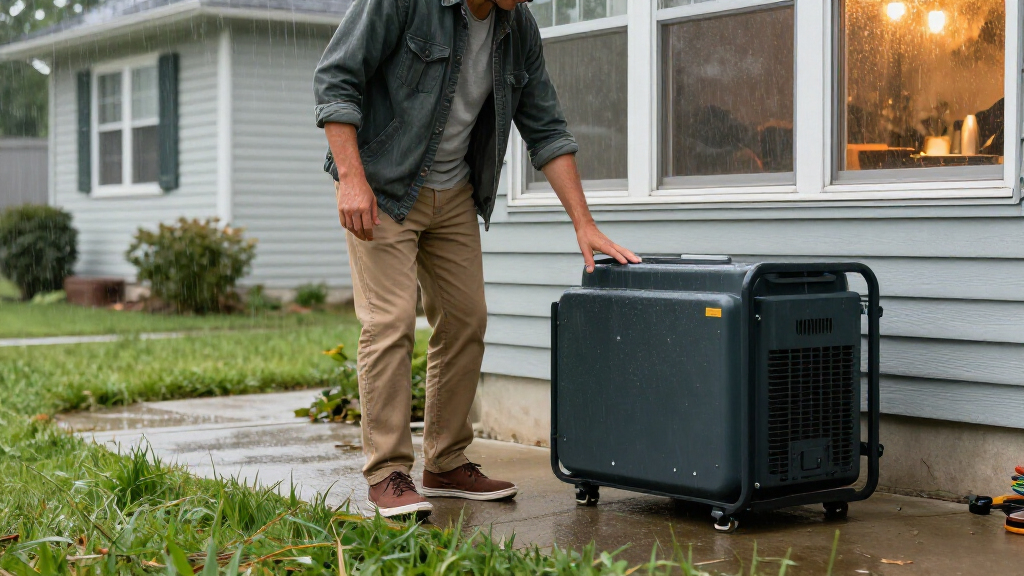
A standby generator is designed to remain installed and work with a transfer switch, which can make it a better fit for outages that begin while the home is empty or overnight. A portable generator can move between locations and may cost less to install, but someone must position it outdoors, start it, connect it correctly, and manage refueling. Buyers sometimes treat portable peak wattage as proof that the unit offers the same whole-home experience; output does not remove the need for safe connections or hands-on operation. Think through who will handle setup during bad weather and whether that person will be available. If automatic response matters more than portability, start with the Generac standby models rather than choosing by the highest portable wattage.
Size for Essential Loads and Starting Surges
List the circuits and appliances you want backed up, then note both their running demand and the brief surge some motors need when they start. Refrigeration, heating equipment, pumps, and air conditioning can compete for capacity, so a simple count of appliances can understate the load. A smaller Generac such as the 10 kW or 14 kW may suit a carefully limited backup plan, while the 24 kW and 26 kW models offer more room for larger demands. More capacity is not automatically better if it brings installation and fuel needs your property cannot support. Have an electrician or generator professional review the load plan before settling on a size.
Check Transfer-Switch Scope and Electrical Compatibility
A generator’s usefulness depends on how power reaches the home, not just on its engine output. Several Generac listings specify a 200-amp transfer switch, while other listing names do not; confirm whether a switch is included, compatible with the electrical panel, and suitable for the circuits you want backed up. Portable generators need an approved connection method, commonly planned through a transfer switch or an interlock installed to local requirements. Never connect a portable unit by feeding power through a household outlet, since that can create a serious hazard. Ask for a written installation scope that identifies panel work, permits, and any required upgrades before comparing models.
Match Fuel Choice to Outage Length and Local Supply
The Westinghouse WGen9500DF and DuroMax XP13000EH are dual-fuel portables, giving buyers a choice of fuel rather than relying on a single source. That flexibility is useful only if the selected fuel is available, stored safely, and practical to replenish during an extended outage. Standby units require a compatible fuel supply and a site plan that meets installation rules; the generator’s capacity alone cannot answer whether your home has adequate supply. Estimate how long outages typically last in your area and how much fuel you could realistically keep on hand or access. Fuel selection also affects storage routines and the amount of attention the generator needs while running.
Plan the Installation Site, Noise, and Maintenance
Permanent standby equipment needs a suitable outdoor location with required clearances, a stable base, and safe separation from openings and air intakes. Local codes, property boundaries, and neighborhood noise expectations can limit where it can go, so confirm the site before committing to a model. Portable generators also need to operate outdoors in a safe location; never run one inside a home, garage, or enclosed area because of carbon monoxide risk. Ask what routine servicing, exercise cycles, battery checks, and seasonal preparation the selected system calls for. A generator that fits the electrical plan but cannot be sited or maintained properly is a poor fit.
Compare Monitoring Features With the Support You Need
Cellular connectivity on the Generac models can add remote status information, but monitoring is not a substitute for a working fuel supply, correct installation, or scheduled service. Check whether cellular service is available at the property and what functions the connected system actually provides. Buyers who want a simpler setup may prefer to focus on basic controls and a clear maintenance plan rather than paying attention only to connected features. Portable models generally put more responsibility on the owner to inspect, start, and monitor the unit during an outage. Choose the level of remote visibility that fits how often you can check on the system and who will respond if it reports a problem.
Frequently Asked Questions
Can a portable generator in this roundup provide whole-home backup?
It may power a broad set of household circuits if its usable output matches the planned loads, but a portable generator does not provide the same automatic operation as a permanently installed standby system. You will need a safe, code-compliant connection plan and someone available to place and operate the unit outdoors. Peak wattage is not the same as continuous capacity, so check both figures and account for motor-starting surges. A qualified electrician can help determine which circuits can run together. If you need backup to begin without anyone present, a standby model is the closer fit.
Is a 22 kW generator enough for my whole house, or should I choose 24 kW or 26 kW?
There is no universal answer because household demand depends on the appliances, heating and cooling equipment, and which loads you expect to run at the same time. The 24 kW and 26 kW options provide higher stated capacity than the 22 kW models, but that extra output may not be useful if your backup plan is limited to selected circuits. Start with a load calculation that includes starting surges rather than relying on home size alone. Also check whether the chosen model’s transfer switch and fuel setup suit your electrical system. A generator professional can compare the load calculation with the specific model’s rated output.
Do I need to buy a transfer switch separately for every Generac model here?
No conclusion can be drawn from the model name alone: some listings explicitly include a 200-amp transfer switch, while the names for the 18 kW and one 22 kW model do not specify one. Verify the exact package contents and switch compatibility before ordering. Your panel configuration and backup-circuit plan may also affect whether the included switch is suitable. Installation may involve electrical work, permits, or panel changes beyond the generator package. Get the equipment list and installation scope in writing so the system is ready to operate as planned.
Should I choose a dual-fuel portable generator or a natural-gas standby system?
Choose based on fuel access and how much operation you are willing to manage. The dual-fuel Westinghouse WGen9500DF and DuroMax XP13000EH offer fuel flexibility, but they remain portable units that require manual setup and safe refueling. A standby system can be more convenient during an outage when connected to a suitable fuel source, though it needs permanent installation and a site that meets local rules. Extended outages make fuel availability and replenishment plans especially important. Compare the total setup, fuel, and maintenance requirements rather than treating fuel choice as a feature in isolation.
What should I verify before ordering a high-capacity standby generator?
Confirm that a qualified installer has checked your load requirements, electrical panel, transfer-switch compatibility, fuel supply, and proposed outdoor location. Ask whether the package includes the switch and any controls or monitoring features named in the listing. Check local permitting and placement rules before scheduling delivery, since those may affect the installation plan. Make sure the installer can explain routine maintenance and what happens if the generator reports a fault. These checks matter as much as the difference between the 22 kW, 24 kW, and 26 kW models.
Conclusion
For best overall, I would start with the Generac 22 kW standby model that lists a 200-amp transfer switch and cellular connectivity: it pairs automatic backup with a clearly stated switch package. The best value-style choice is the Generac 10 kW or 14 kW, depending on a professional load calculation and a plan focused on selected household needs rather than every appliance. For best premium capacity, compare the 24 kW and 26 kW Generac models against your actual load and fuel supply before choosing the larger unit. The best fit for beginners is a professionally installed Generac standby package with a specified transfer switch, since it reduces the setup decisions required during an outage. For specific portable needs, choose the Westinghouse WGen9500DF or DuroMax XP13000EH for dual-fuel flexibility, or the Westinghouse WGen20000c if its output profile suits a planned portable setup; none replaces standby automation. My final recommendation is to settle the load calculation, installation scope, and fuel plan before ordering any model.
Evergreen bestsellers Picks

KitchenAid 5.5-Quart Bowl-Lift Stand Mixer, Porcelain White

KitchenAid Classic Series 4.5-Quart Tilt-Head Stand Mixer, Onyx Black

Vitamix 5200 Blender with 64 oz. Container, Black
As an affiliate, we earn on qualifying purchases.