
Understanding decibel levels is essential for protecting your hearing. Each 10 dB increase means ten times more sound energy, and sounds above 85 dB can cause damage with prolonged exposure. Common noises like concerts or power tools often reach harmful levels. By controlling volume and limiting exposure, you prevent irreversible harm. If you want to learn how to keep your ears safe in noisy environments, you’ll find useful tips and insights ahead.

Get backup power and energy gear delivered free — and shop member deals
- Fast, free delivery on millions of items
- Access to Prime Big Deal Days deals on October 6–7
- Prime Video, Amazon Music and more included
Key Takeaways
- Listening above 85 dB risks permanent hearing damage; use protective gear and limit exposure time.
- Decibel scales are logarithmic; a 10 dB increase means ten times more sound energy.
- Many underestimate loud environments like concerts or power tools as damaging; awareness is crucial.
- Noise-canceling technology and ear protection significantly reduce harmful sound exposure.
- Educating about safe decibel levels empowers proactive hearing conservation and prevents irreversible damage.
As an affiliate, we earn on qualifying purchases.
Understanding the Decibel Scale: What It Really Measures

The decibel scale is a way to measure sound intensity, but it doesn’t do so in a straightforward way. Instead, it uses a logarithmic system, meaning each increase of 10 decibels represents a tenfold increase in sound energy. When you hear about sound measurement, it’s often in decibels, but this scale reflects how our hearing perceives loudness, not just raw power. Hearing thresholds mark the quietest sounds you can detect, typically around 0 decibels. Most everyday sounds fall within a certain decibel range, with louder noises reaching higher levels. Understanding this scale helps you grasp why some sounds seem loud instantly, while others are barely noticeable. It’s an essential tool for evaluating sound levels and protecting your hearing from potential damage. Additionally, awareness of sound levels and health can guide you in avoiding exposure to harmful noise.
As an affiliate, we earn on qualifying purchases.
The Threshold of Hearing and Safe Noise Levels
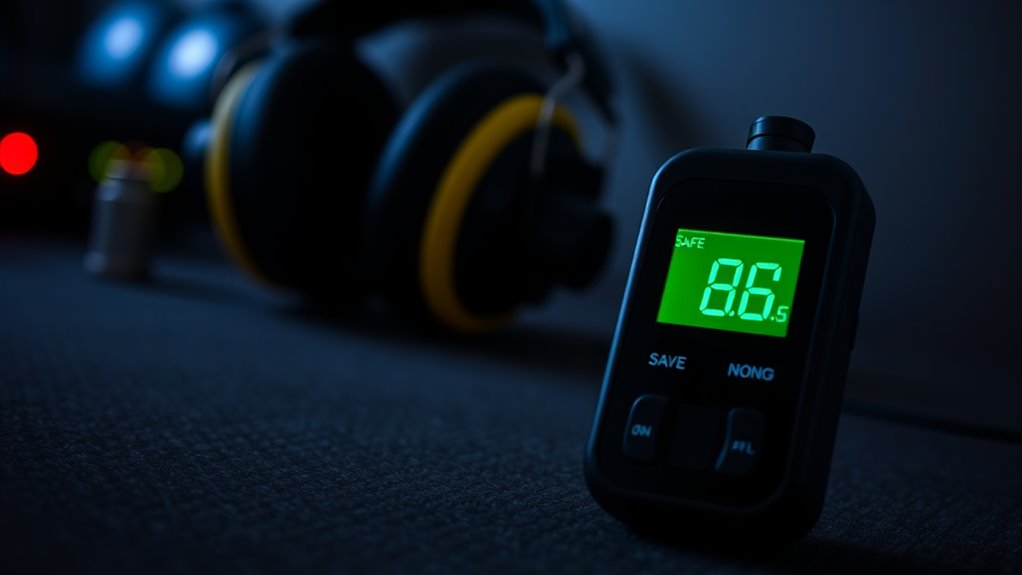
Your hearing begins at the threshold of hearing, where sound is just barely detectable. Knowing safe listening limits helps protect your ears from damage over time. Understanding these basics is key to maintaining hearing health in noisy environments. Incorporating data-driven strategies into your awareness can further enhance your ability to manage exposure levels effectively.
Hearing Threshold Basics
Understanding hearing thresholds is essential for recognizing safe noise levels. Your auditory perception begins developing early in life, setting the foundation for how you perceive sounds. The hearing threshold is the quietest sound you can detect, typically measured in decibels. For most people, this threshold is near 0 dB, indicating extremely soft sounds are still perceptible. Knowing your hearing threshold helps you understand what level of noise is safe, especially in noisy environments or during prolonged exposure. It’s important to realize that exposure to sounds above certain decibel levels can damage your hearing over time. By understanding these basics, you can better protect your hearing health and avoid unnecessary damage caused by loud sounds. Additionally, sound frequency ranges play a role in how we perceive different pitches and can influence hearing safety practices.
Safe Listening Limits
Knowing your hearing threshold allows you to determine which noise levels are safe for your ears. Prolonged exposure to sounds above 85 dB can damage your hearing, so understanding safe listening limits is essential. Earplug effectiveness varies, so choosing the right protection is critical for hearing conservation. To help you gauge safe levels, here’s a quick reference:
| Noise Level (dB) | Listening Duration (hours) |
|---|---|
| 70 | Up to 24 |
| 85 | 8 |
| 100 | 2 |
| 110 | 15 minutes |
| 120+ | Immediate risk |
Stick to these limits and use ear protection when needed to preserve your hearing health. Being aware of Decibel Scales can further help in understanding and managing noise exposure.
sound level meter decibel tester
As an affiliate, we earn on qualifying purchases.
As an affiliate, we earn on qualifying purchases.
Common Noises and Their Decibel Ratings

You’re often exposed to loud noises like concerts, clubs, power tools, and machinery, which can reach dangerous decibel levels. Understanding how loud these sounds are helps you protect your hearing. Let’s explore common noises and their typical decibel ratings to see what risks they pose. For example, headphones and other audio devices can also contribute to hearing damage if used improperly or at high volumes.
Loud Concerts and Clubs
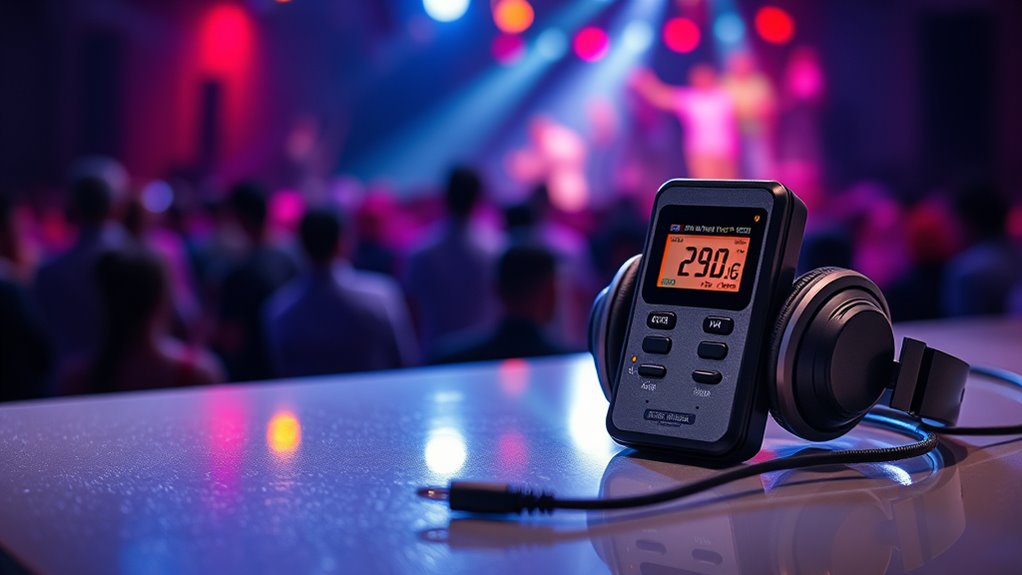
Attending concerts and clubs often exposes you to loud noises that can quickly reach dangerous decibel levels. These environments typically hit 100-120 dB, which can cause immediate hearing damage. If you’re involved in music production or enjoy sound therapy, you understand how sound intensity impacts hearing health. Frequent exposure at these venues can lead to permanent hearing loss or tinnitus. Protecting your ears with earplugs helps reduce risk without sacrificing the music experience. Many pros recommend monitoring sound levels and taking breaks to prevent overexposure. Remember, even short periods at high decibel levels can be harmful. Being aware of the noise intensity around you empowers you to enjoy concerts and clubs safely, preserving your hearing for years to come. Staying informed about sound level monitoring tools can further help you manage your exposure effectively.
Power Tools and Machinery
Power tools and machinery often produce noise levels that can quickly harm your hearing if you’re not careful. Many power drills, lawnmowers, and chainsaws exceed 85 decibels, the level at which ear protection becomes essential. Without proper ear protection, prolonged exposure can cause permanent hearing damage. It’s important to follow noise regulations in your area, which often specify permissible noise levels for different environments. Wearing ear protection like earplugs or earmuffs substantially reduces your risk of hearing loss. Always check the decibel ratings of your tools and adhere to safety guidelines. Protecting your hearing isn’t just about comfort; it’s about preventing long-term damage, especially if you use power tools regularly or work in noisy environments. AI safety measures are increasingly important in designing tools and environments to minimize noise-related risks.
As an affiliate, we earn on qualifying purchases.
How Loud Is Too Loud? Recognizing Dangerous Sound Levels
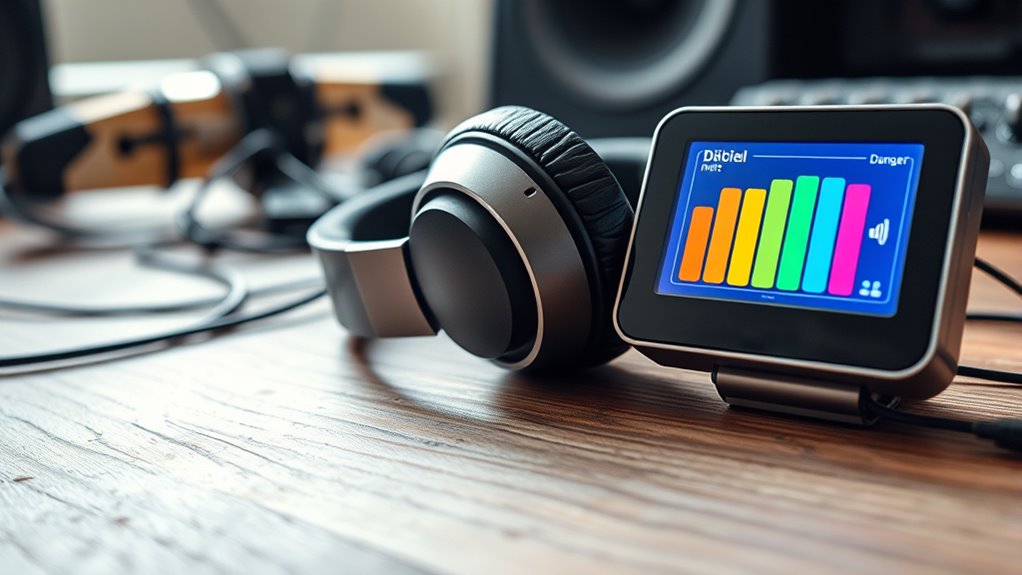
Understanding when sound becomes dangerous is essential for protecting your hearing. Noise pollution from loud environments can quickly cause damage if you’re exposed too long or if the volume is too high. Generally, sounds above 85 decibels are considered risky without hearing protection. For example, shouting matches or motorcycle engines often reach this level. If you’re around loud music, power tools, or crowded events, it’s a sign to step back or wear ear protection. Recognizing these warning signs helps you avoid permanent hearing loss. Remember, the louder the sound, the shorter your safe exposure time. Use hearing protection whenever you’re in noisy settings, and don’t ignore the signs that indicate the sound level is too high. Protect your hearing before it’s too late. Being aware of sound levels can help you better manage your exposure to prevent long-term damage.
The Impact of Noise Exposure on Hearing Health
Prolonged exposure to loud noise can cause irreversible damage to your hearing. Over time, this damage can lead to tinnitus, a persistent ringing or buzzing in your ears, which can be distressing and hard to manage without proper tinnitus management strategies. Continuous noise exposure also damages hair cells in your inner ear, reducing your ability to hear clearly. Using noise canceling technology can help minimize your risk by blocking out harmful sounds, especially in noisy environments. Protecting your hearing now is essential to avoid long-term issues. Remember, once damaged, your hearing may not fully recover, making it critical to limit exposure and seek solutions like tinnitus management early on. Glycolic acid benefits can also be applied as a reminder of how regular skin exfoliation can improve overall health—just as protecting your ears is vital for hearing health. Prevention is the best way to preserve your hearing health.
Protecting Your Ears: Practical Tips From Industry Experts
Protecting your ears starts with simple, practical steps that industry experts recommend. First, always wear ear protection in loud environments, like concerts or construction sites. Ear protection, such as earplugs or earmuffs, reduces noise exposure and shields your hearing. For added safety, consider noise canceling headphones when working in noisy spaces or during loud activities. Noise canceling technology minimizes background noise, allowing you to enjoy your environment without increasing volume levels. Limit your time in noisy settings, giving your ears regular breaks to recover. Be mindful of volume when using earbuds or headphones—keep sound levels below 85 decibels whenever possible. Additionally, understanding decibel scales can help you better gauge safe listening levels, aiding in long-term hearing preservation. These small but effective tips help preserve your hearing and prevent long-term damage.
Why Public Awareness About Noise Risks Is Crucial
Public awareness about noise risks is essential because many people underestimate the potential harm loud sounds can cause. Noise pollution from daily activities can damage your hearing over time if you’re not careful. When you understand the risks, you’re more likely to practice hearing conservation and take steps to protect your ears.
Raising awareness helps prevent hearing damage from everyday noise exposure.
Being informed helps you recognize situations where noise levels are dangerous, like concerts or loud workplaces. It also encourages community efforts to reduce noise pollution, benefiting everyone’s health.
Consider these points:
- Knowing decibel levels helps you decide when to wear ear protection
- Raising awareness can lead to stricter noise regulations
- Personal hearing conservation reduces long-term damage and improves quality of life
Frequently Asked Questions
How Do Decibel Levels Affect Different Age Groups’ Hearing?
Decibel levels impact different age groups’ hearing considerably. Younger people often have higher developmental auditory sensitivity, making them more vulnerable to loud noises, while age-related hearing decline gradually reduces sensitivity in older adults. You should be aware that prolonged exposure to loud sounds accelerates hearing loss across all ages, but older individuals may experience more noticeable damage due to natural decline. Protect your hearing at all ages to maintain healthy hearing.
Can Exposure to Loud Noises Cause Immediate Hearing Loss?
Think of your ears as delicate glassware—you break it with one sudden jolt. Yes, exposure to loud noises can cause immediate hearing loss, especially if you don’t use ear protection. Loud sounds can surpass your hearing thresholds instantly, damaging hair cells in your inner ear. Protect your ears with ear protection whenever possible, and avoid exposing yourself to high decibel levels to prevent irreversible damage.
Are There Safe Ways to Enjoy Loud Music Without Damage?
Yes, you can enjoy loud music safely by using ear protection like earplugs or noise-canceling headphones, especially in noisy environments. Keep the volume control at 60% or lower and take regular breaks to give your ears a rest. Always be mindful of the sound levels around you, and if you experience discomfort or ringing, lower the volume immediately. Safeguarding your hearing ensures you can enjoy music for years to come.
How Do Decibel Scales Account for Duration of Noise Exposure?
Think of decibel measurement as a speedometer for noise, and exposure duration as the miles you travel. The scale adjusts for how long you’re exposed; a loud sound for a short time is less harmful than the same sound for hours. Professionals use a combination of decibel levels and exposure duration to assess risk, encouraging you to limit prolonged loudness to protect your hearing.
What Are the Long-Term Effects of Chronic Noise Exposure?
Chronic noise exposure can lead to noise-induced damage, causing your hearing to deteriorate over time. The long-term effects include permanent hearing loss, tinnitus, and difficulty understanding speech. You might not notice the damage until it’s advanced, so protecting your ears from loud environments is essential. Consistent exposure to high decibel levels gradually harms your auditory system, emphasizing the importance of hearing safety measures to prevent irreversible hearing deterioration.
Conclusion
So, next time you crank up your music or attend that loud concert, remember what pros wish you knew: your ears aren’t invincible. Ignoring noise levels might turn your hearing into a distant memory faster than you think. But hey, who needs perfect hearing when you can have a lifetime of ringing, right? Stay smart, protect your ears, and maybe, just maybe, consider turning down that volume before your ears file a formal complaint.
Fall Picks
fall essentials
As an affiliate, we earn on qualifying purchases.