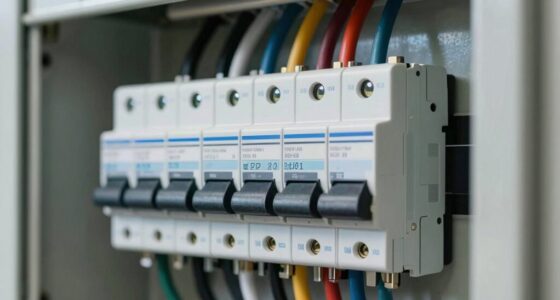
Your generator’s output largely depends on the magnetic flux strength and coil resistance. If the magnetic flux is strong and stable, you’ll get higher voltage and better efficiency. Lower coil resistance also means less energy lost as heat, boosting overall power delivery. Fluctuating flux or high resistance can decrease efficiency and reduce output. To maximize performance, optimizing these factors is key—explore further to understand how you can improve your generator’s efficiency.

Get backup power and energy gear delivered free — and shop member deals
- Fast, free delivery on millions of items
- Access to Prime Big Deal Days deals on October 6–7
- Prime Video, Amazon Music and more included
Key Takeaways
- Magnetic flux strength and stability directly influence the voltage and overall power output of the generator.
- Higher coil resistance causes greater resistive losses, reducing net electrical power generated.
- Fluctuating or weak magnetic flux decreases efficiency by lowering voltage production.
- Using low-resistance conductors and quality insulation minimizes energy losses in the coils.
- Proper maintenance and optimal core materials help sustain magnetic flux and reduce core-related energy losses.
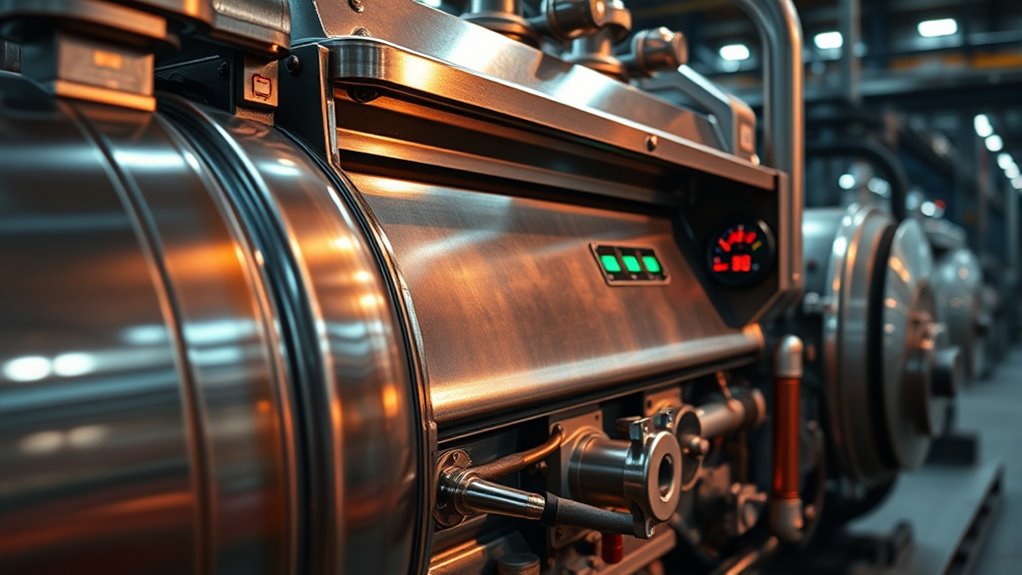
Understanding generator efficiency is essential because it determines how well a generator converts mechanical energy into electrical power. When you’re working with generators, the key goal is to maximize the output while minimizing energy losses. One of the fundamental factors influencing this efficiency is magnetic flux, which is the magnetic field passing through the coil. The strength and stability of this magnetic flux directly affect how much voltage your generator produces. If the magnetic flux is strong and consistent, you’ll generate more electrical power from the same amount of mechanical input. Conversely, weak or fluctuating magnetic flux reduces the generator’s efficiency, leading to less power output for the energy you put in.
Strong, stable magnetic flux boosts generator efficiency and power output.
Another critical aspect to consider is coil resistance. Every coil in your generator has inherent electrical resistance, which causes some energy to be lost as heat during operation. Higher coil resistance means more energy is dissipated as heat, reducing the amount of electrical power available at the output. To improve efficiency, you want to use conductors with low resistance, such as copper, and ensure that the coils are well-designed and properly insulated to minimize resistive losses. When coil resistance is kept low, less energy is wasted as heat, allowing more of the mechanical energy to be converted into usable electrical power.
The interaction between magnetic flux and coil resistance is also crucial. For example, if the magnetic flux fluctuates or weakens, you may need to increase the coil’s magnetic field strength to compensate, but this can lead to higher coil resistance or other inefficiencies. Managing these factors involves optimizing the coil design, using high-quality materials, and maintaining a stable magnetic environment. When you do this effectively, you reduce power losses caused by resistive heating and magnetic flux leaks, boosting your generator’s overall efficiency.
In addition, other elements like core material and physical construction influence magnetic flux and coil resistance. High-quality magnetic cores with low hysteresis and eddy current losses help maintain a steady magnetic flux, while superior insulation and winding techniques reduce coil resistance. Proper maintenance, including magnetic flux optimization, can help sustain the generator’s performance over time. Regular maintenance also plays a pivotal role—keeping components clean and properly aligned ensures minimal resistance and consistent magnetic flux flow. All of these adjustments work together to improve efficiency, meaning your generator delivers more power for less energy input, saving you money and reducing waste.
As an affiliate, we earn on qualifying purchases.
Frequently Asked Questions
How Do Ambient Temperature Changes Impact Generator Efficiency?
Ambient temperature changes directly impact your generator’s efficiency fluctuations. When it’s hot outside, the engine may overheat, reducing efficiency and increasing wear. Conversely, colder temperatures help the generator run more efficiently by improving cooling and reducing resistance. You should monitor ambient temperature regularly and guarantee proper cooling systems are in place to minimize efficiency fluctuations and keep your generator performing at its best.
What Role Does Generator Maintenance Play in Power Loss Reduction?
You can reduce power loss by maintaining your generator properly. Regular upkeep improves lubrication efficiency, ensuring parts move smoothly and friction decreases. Additionally, checking rotor alignment prevents unnecessary strain and energy waste. When you keep up with maintenance, you optimize performance, minimize heat and wear, and extend your generator’s lifespan. Proper maintenance directly impacts efficiency, helping your generator produce consistent, reliable power while reducing unnecessary losses.
Can Renewable Energy Sources Improve Generator Efficiency?
Did you know that integrating renewable sources like solar can boost generator efficiency? You’ll see improvements in grid stability and reduced power losses when solar energy complements traditional generators. By harnessing solar integration, you optimize overall efficiency, minimizing waste and enhancing output. This synergy helps generators operate more effectively, cutting fuel costs and emissions, and ensuring a more reliable power supply for your needs.
How Do Load Variations Affect Overall Generator Performance?
Load fluctuations directly impact your generator’s performance by causing efficiency variations. When loads vary unpredictably, the generator may run less efficiently, wasting fuel and increasing wear. To maintain peak performance, you should implement strategies for efficiency optimization, such as load management and regulation systems. These measures help stabilize output despite load fluctuations, ensuring your generator operates smoothly, reduces fuel consumption, and prolongs its lifespan.
What Are the Latest Technological Advances in Minimizing Power Loss?
You can minimize power loss with advanced cooling systems that keep generators operating efficiently and power electronics that optimize energy flow. These innovations reduce heat buildup and improve control, ensuring less energy is wasted. By adopting such technology, you enhance generator performance, extend lifespan, and boost overall efficiency. Staying updated with these advances allows you to maintain a reliable power supply while reducing operational costs and environmental impact.
As an affiliate, we earn on qualifying purchases.
Conclusion
To maximize your generator’s efficiency, you need to manage temperature, improve maintenance, and choose quality components. Reducing power loss means minimizing resistance, avoiding overloads, and ensuring proper ventilation. By focusing on these factors, you enhance performance, extend lifespan, and save energy. Remember, efficient operation depends on consistent care, smart choices, and ongoing monitoring. Keep these principles in mind, and you’ll keep your generator running smoothly, reliably, and at its best.
As an affiliate, we earn on qualifying purchases.
As an affiliate, we earn on qualifying purchases.
Fall Picks
fall essentials
As an affiliate, we earn on qualifying purchases.