
To prevent fasteners from loosening over time, you should use vibration-resistant methods like applying thread lockers, lock washers, or nylon inserts. Make certain you clean threads properly before applying any compounds. Regular inspections and reapplication of thread lockers help maintain security. Also, choose fasteners with specialized coatings or features suited for your environment to enhance grip. If you want to learn more about effective techniques, you’ll find helpful tips that can keep your fasteners secure longer.

Get backup power and energy gear delivered free with Prime
- Fast, free delivery on millions of items
- Prime Video, Amazon Music and more included
- Member-only deals all year
Key Takeaways
- Use thread lockers or chemical compounds designed to resist vibration and prevent loosening.
- Incorporate lock washers or nylon inserts to increase friction and secure fasteners.
- Apply proper torque during installation to avoid over- or under-tightening.
- Regularly inspect and reapply locking compounds as needed for ongoing effectiveness.
- Choose fasteners and coatings suitable for environmental conditions to prevent corrosion and degradation.
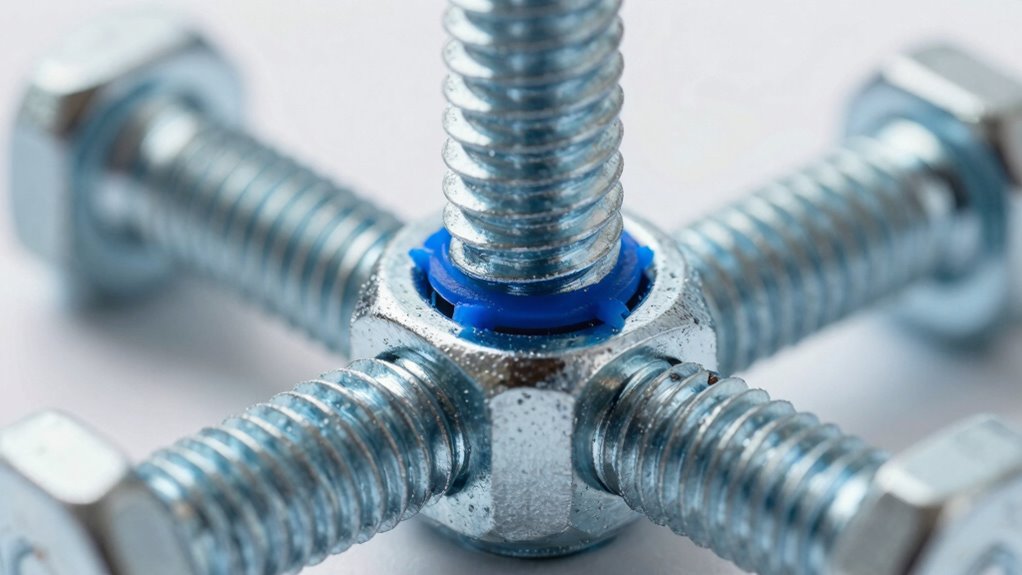
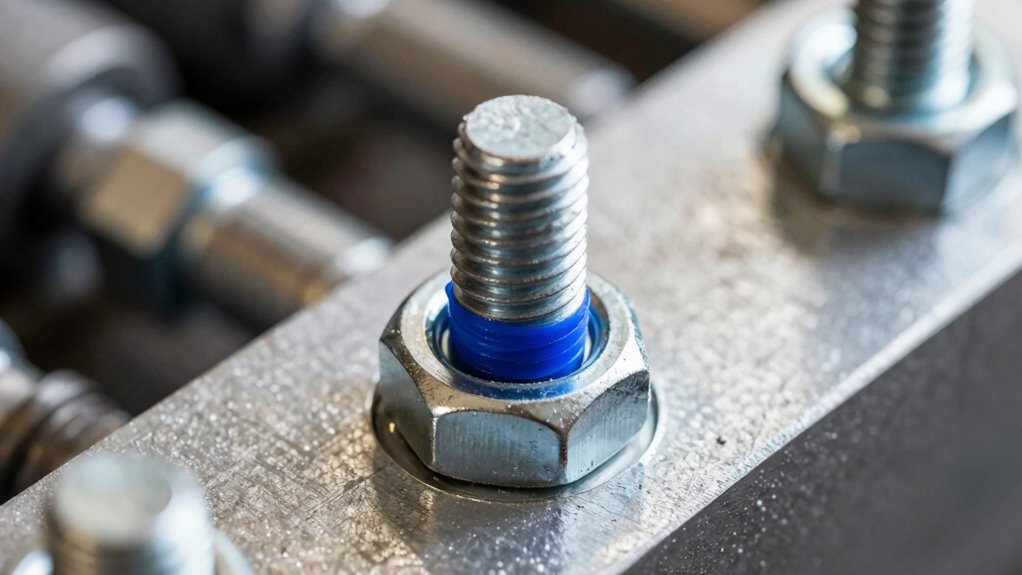
Fasteners can loosen over time due to vibration, temperature changes, and regular use, which can lead to safety issues or equipment failure. To prevent this, understanding how to keep fasteners secure is crucial. One effective method is thread locking, a process that involves applying special compounds or devices to the threads of fasteners. These thread-locking products create a bond that resists turning or loosening, especially in environments with constant vibration or thermal fluctuations. By using thread locking, you enhance vibration resistance, ensuring that bolts and screws stay tight under operating conditions.
Thread locking prevents fasteners from loosening caused by vibration and temperature changes, ensuring safety and reliability.
When selecting a thread-locking method, consider the application’s specific needs. For instance, low-strength thread lockers are ideal for parts that may need to be disassembled later for maintenance, while high-strength variants provide a more permanent fix. Applying the thread locker is straightforward: clean the threads thoroughly to remove oil, dirt, or old adhesive, then apply the product evenly onto the threads before tightening. This creates a chemical bond that fills gaps and prevents movement caused by vibrations. Remember, proper application is key—over-application can make disassembly difficult, while under-application might not provide enough resistance.
In addition to thread locking, choosing fasteners designed for vibration resistance can greatly improve stability. Some fasteners are manufactured with features like lock washers, nylon inserts, or specialized coatings that add friction and grip. These features help absorb vibrations and reduce the chances of loosening. Pairing vibration-resistant fasteners with thread-locking compounds creates a double layer of security, especially in high-vibration environments such as machinery, vehicles, or aerospace applications. Utilizing vibration-resistant fasteners can significantly extend the lifespan of assemblies exposed to constant movement.
Regular inspection and maintenance are also crucial. Over time, thread lockers can degrade, or fasteners can shift due to ongoing stress. Make it a routine to check critical fasteners, especially those subjected to constant vibration or temperature swings. Tighten them as needed, and reapply thread-locking compounds periodically to maintain their effectiveness. Proper torque is equally important—over-tightening can damage threads, while under-tightening leaves the fastener vulnerable to loosening. Additionally, understanding the environmental conditions where the fasteners are used can help you choose the most suitable locking method and fastener type. Using appropriate fasteners designed for specific environments ensures better long-term security. Recognizing the importance of material compatibility also helps prevent corrosion or deterioration that could compromise fastener integrity over time.
Ultimately, combining thread locking with vibration-resistant fasteners and diligent maintenance gives you a complete approach to keeping fasteners secure over time. It’s about understanding the environment and applying the right tools and techniques to ensure safety, reliability, and peace of mind.
As an affiliate, we earn on qualifying purchases.
Frequently Asked Questions
Are There Specific Fasteners That Are More Prone to Loosening?
Certain fasteners are more prone to loosening, especially those without thread locking features or corrosion resistance. You should pay attention to those in high-vibration areas or exposed to moisture, as they’re more likely to come loose. Using thread locking compounds and selecting fasteners with corrosion-resistant coatings can greatly reduce the risk. These measures help keep your fasteners secure, even in challenging environments, ensuring long-term stability.
How Does Temperature Variation Affect Fastener Loosening?
Temperature variation causes fasteners to loosen by triggering thermal expansion and contraction, which can create gaps or reduce tension. These repeated cycles weaken the material over time, leading to material fatigue and increasing the risk of loosening. You should consider using fasteners made of materials with similar thermal expansion properties or apply locking mechanisms to compensate for these temperature-induced stresses, ensuring your fasteners stay secure despite temperature fluctuations.
Can Fasteners Loosen Due to Vibrations Alone?
Vibrations can absolutely loosen fasteners, sometimes causing them to fail faster than you’d imagine. The vibration impact causes fastener fatigue, weakening the threads and making them prone to backing out. Over time, constant vibrations can shake fasteners loose even without other forces. To prevent this, use lock washers, thread-locking adhesives, or proper torque. Ignoring vibration risks can lead to catastrophic failures—so don’t underestimate its power!
What Are the Signs a Fastener Is About to Loosen?
You’ll notice a fastener about to loosen if it feels wobbly or has visible gaps, indicating it’s losing grip. Sometimes, you might see uneven or damaged threads, or the fastener may start to turn easily when you try to tighten it. To prevent this, use a thread lock and make sure you tighten fasteners to the correct torque specifications. Regular inspections help catch looseness early before it causes issues.
How Often Should I Check Fasteners for Tightness?
You should check fasteners regularly—at least once a month or after heavy use—to guarantee safety and stability. Use proper lubrication techniques to reduce friction and wear, and always consider fastener material compatibility to prevent corrosion or damage. By maintaining consistent inspections, applying suitable lubrication, and choosing compatible materials, you keep fasteners secure and extend their lifespan, preventing unexpected loosening over time.
vibration resistant lock washers
As an affiliate, we earn on qualifying purchases.
As an affiliate, we earn on qualifying purchases.
Conclusion
Think of your fasteners as the steady anchors in a ship’s hull, holding everything tight against turbulent seas. By using the right techniques—like torque, threadlockers, or lock washers—you’re reinforcing those anchors, ensuring they don’t drift loose over time. With each secure bolt, you’re steering clear of the stormy waters of loose fittings. Keep your fasteners tight, and your project will sail smoothly, no matter how rough the journey gets.
As an affiliate, we earn on qualifying purchases.
fastener coatings for corrosion resistance
As an affiliate, we earn on qualifying purchases.
As an affiliate, we earn on qualifying purchases.
Fall Picks
fall essentials
As an affiliate, we earn on qualifying purchases.