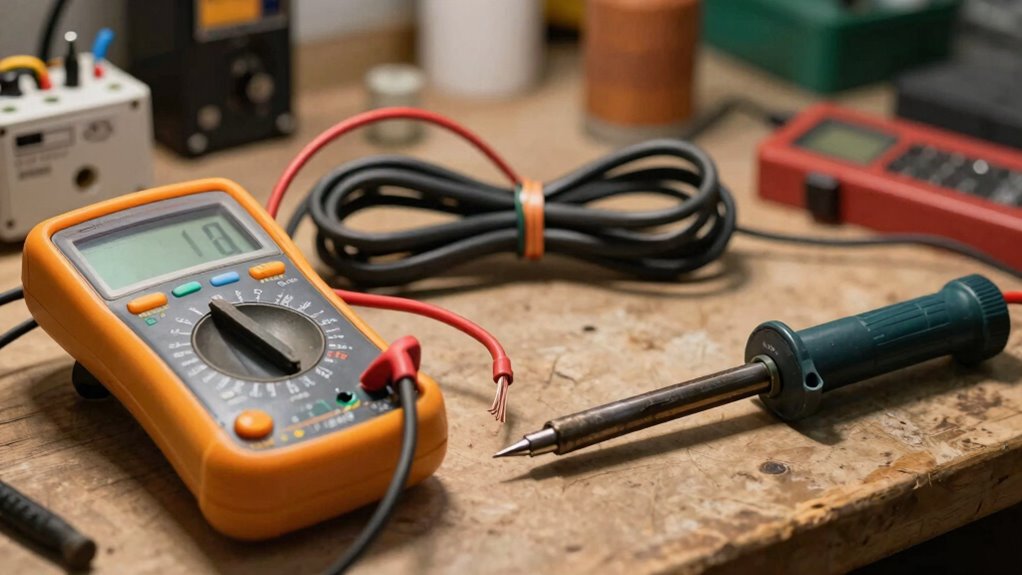

If your tools have low voltage, start by inspecting the power cord for damage or loose connections, and test the outlet with a multimeter to verify it supplies consistent power. Check the battery health if you’re using cordless tools, as aging batteries can cause voltage drops. Look for signs of internal motor issues, like worn brushes or dust buildup, which can affect power flow. To find out more about troubleshooting electrical issues, keep exploring the key steps involved.

Get backup power and energy gear delivered free with Prime
- Fast, free delivery on millions of items
- Prime Video, Amazon Music and more included
- Member-only deals all year
Key Takeaways
- Inspect power cords for damage, fraying, or loose connections to ensure proper voltage transfer.
- Test the electrical outlet and circuit breaker for consistent voltage supply and prevent overloads.
- Check the battery health and charge level in cordless tools to rule out insufficient power.
- Use a multimeter to measure voltage at the tool’s connection point for discrepancies.
- Examine internal components like brushes and motor parts for dirt, wear, or damage affecting power draw.
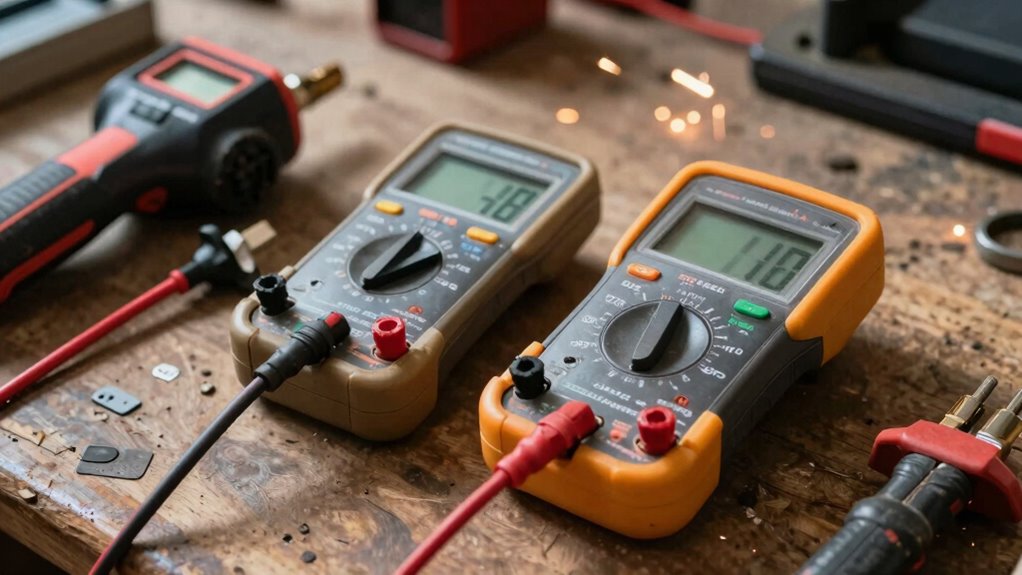
Have you ever wondered why regularly checking the voltage of your tools is so vital? When your tools aren’t performing as expected, one of the first things to evaluate is whether they’re getting the right amount of power. Low voltage can cause tools to run sluggishly or even stop working altogether, which can be frustrating and potentially dangerous if you’re in the middle of a project. By monitoring the voltage, you can catch issues early and prevent further damage or downtime.
One common reason for low voltage is a problem with your power cord. Over time, cords can wear out, develop cuts, or become loose at the connections. If the power cord isn’t delivering consistent voltage, your tool’s performance will suffer. Inspect your cords regularly for any signs of damage, such as fraying or cracks. Make sure connections are secure and that there are no exposed wires. Power cord integrity is essential because a compromised cord can cause inconsistent power flow, leading to voltage drops that impair your tool’s operation. Additionally, environmental factors like moisture or extreme temperatures can impact the power cord’s performance, emphasizing the need for proper storage and inspection. Regular testing with a multimeter can help detect subtle issues before they become major problems. Staying informed about electrical safety standards can also help prevent hazards related to low voltage.
Another factor to think about is the battery lifespan if your tools are cordless. Batteries tend to lose their ability to hold a charge over time, especially if they’re frequently used or not stored properly. When a battery’s capacity diminishes, it can’t supply the necessary voltage to power the tool effectively. If you notice your cordless tool isn’t running as powerfully as it used to, it might be time to replace the battery. Keep an eye on the battery’s age and performance, and don’t hesitate to upgrade when needed to guarantee maximum voltage.
Additionally, check the power source itself. Sometimes, the outlet or circuit breaker may be the culprit, especially if they’re outdated or overloaded. Plug your tool into a different outlet to see if performance improves. If multiple tools experience low voltage issues from the same outlet, consider having your electrical system inspected to prevent hazards and guarantee your tools receive proper power. Ensuring a stable electrical supply is critical for maintaining consistent voltage levels.
Finally, consider the internal components of your tools. Dust, debris, or worn brushes inside the motor can affect how efficiently the tool draws power. Regular maintenance and cleaning can help sustain proper voltage and performance. If all external checks seem fine, but your tool still underperforms, professional servicing might be necessary to diagnose internal electrical issues. Moreover, understanding the importance of voltage consistency can help you maintain optimal performance and safety for your tools.
In the end, keeping an eye on voltage levels isn’t just about making sure your tools work—they’re about working safely and efficiently. Regular checks, attention to power cord integrity, and maintaining your batteries will extend the lifespan of your tools and keep your projects running smoothly.
Products Worth Considering

Ring Alarm 14-Piece Wireless Security System Kit

Dyson Cyclone V10 Origin Cordless Vacuum

Dyson V8 Cordless Vacuum
As an affiliate, we earn on qualifying purchases.
Frequently Asked Questions
How Often Should I Test My Tool’s Voltage?
You should test your tool’s voltage regularly, especially if you notice power fluctuations or inconsistent performance. Aim to check it at least once a month and after any battery calibration process or if the tool has been unused for a while. Frequent testing helps catch issues early, ensuring your tools operate safely and efficiently. Consistent checks also prevent unexpected power drops that could damage your work or the tool itself.
Can Low Voltage Damage My Tools Permanently?
Yes, low voltage can damage your tools permanently by causing improper tool operation and increased wear. Voltage fluctuation affects tool compatibility, making it harder for tools to perform effectively. If your tools consistently receive inadequate voltage, components may overheat or fail prematurely. To prevent this, guarantee your power supply is stable and matches your tool’s voltage requirements, protecting your investment and extending their lifespan.
What Tools Are Best for Measuring Voltage Accurately?
You’re better off using a digital multimeter for measuring voltage accurately. These tools provide precise readings essential for battery calibration and troubleshooting. Look for a model with a high resolution and good accuracy rating to guarantee reliable results. Remember, not all multimeters are created equal—invest in a quality one, and you won’t be chasing your tail. It’s the best way to get an honest picture of your voltage levels.
Does Temperature Affect Voltage Readings?
Yes, temperature influence can cause voltage fluctuation. When temperatures rise, electrical resistance in wires and components can increase, leading to lower voltage readings. Conversely, cooler temperatures often result in more stable voltage levels. You should consider temperature effects when measuring voltage, especially in extreme conditions, as it can impact the accuracy of your readings. Ensuring consistent testing environments helps you get precise voltage measurements.
Should I Replace My Tools if Voltage Remains Low?
You might want to think about replacing your tools if voltage remains low, especially if their tool quality and battery lifespan have seen better days. Don’t ignore persistent issues, as they could signal aging components or declining battery health. Upgrading guarantees you work efficiently and safely, avoiding frustration. New tools often come with improved features, making your tasks easier and more enjoyable—investing in quality today pays off long-term.
Conclusion
When your tools act sluggish, think of the voltage as their lifeblood—if it’s low, they won’t perform at their best. Check your power source, cords, and connections as if you’re tuning a finely crafted instrument. By ensuring your voltage is steady and strong, you’re giving your tools the energy they need to sing their true song. Don’t let weak power drain your day—give it the charge it deserves and watch your projects come alive with vigor.