TL;DR
A review of EcoFlow’s DELTA 3800 Gen4 and DELTA 3000 Gen4 finds that both deliver 3,600W of 120V AC output, with different trade-offs in capacity, portability and expansion. The 3800 holds 3,763Wh and supports extra batteries and up to 2,000W of solar; the less expensive 3000 has 3,072Wh, no battery expansion and a 1,000W solar limit.
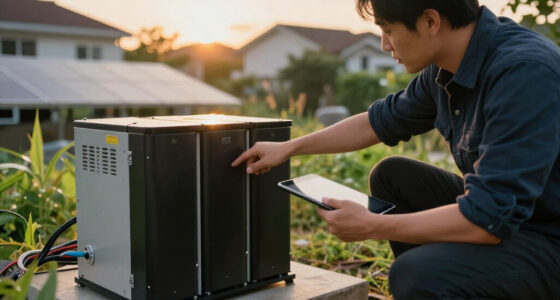
EcoFlow’s DELTA 3800 Gen4 and DELTA 3000 Gen4 are portable, 120V power stations rated for 3,600W of continuous AC output, according to a review comparing the two models. The 3800 offers more battery capacity and system expansion, while the 3000 is lighter and costs less, giving buyers different options for backup power without installing a fixed home battery.

Get backup power and energy gear delivered free with Prime
- Fast, free delivery on millions of items
- Prime Video, Amazon Music and more included
- Member-only deals all year
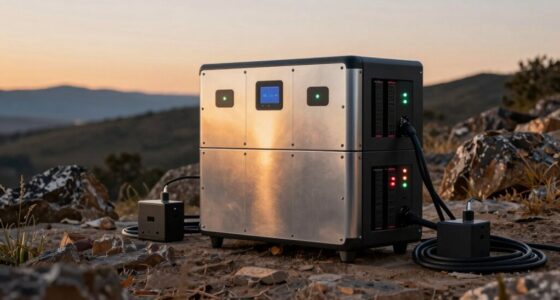
The DELTA 3800 has a 3,763Wh lithium iron phosphate battery, a 3,600W inverter and a rated 7,200W surge output. It weighs 67.5 pounds. The reviewer describes it as unusually light for a unit in this capacity and reports that it ran an outdoor freezer for four days, two hours and 46 minutes on one charge in their test. That result is specific to the reviewer’s freezer and test conditions, which were not detailed in the supplied material.
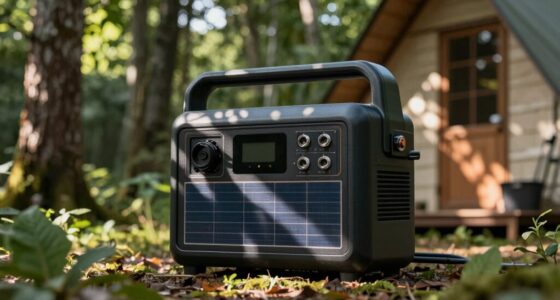
The smaller DELTA 3000 has 3,072Wh of storage and weighs 57.3 pounds. It shares the 3800’s rated AC output and outlet selection, but cannot connect to extra batteries and accepts up to 1,000W of solar input. The 3800 supports up to 2,000W of solar input and can expand to about 12kWh with two additional batteries, according to the product specifications.
Both models use LFP batteries rated for 6,000 cycles to 70% capacity. Each has four 120V/20A outlets, one 120V/30A outlet, USB-C ports rated at 140W and 65W, and a 36W USB-A port. Their listed AC charging rate is 1,800W. The review says the 3800 charged four e-bikes at once while using about 30% of its battery, but does not give the bikes’ battery sizes or the charging conditions.
EcoFlow DELTA Gen4 3800 vs 3000
Both deliver 3,600W of 120V AC output, but differ in capacity, expansion, weight and price. The choice comes down to how much backup power and flexibility you need.
Choose your trade-off
More capacity and expansion come with added weight and cost.
DELTA 3800 Gen4
Supports extra batteries, up to about 12kWh total, and up to 2,000W of solar input. Weighs 67.5 pounds.
DELTA 3000 Gen4
Costs less and weighs 57.3 pounds, but cannot expand with extra batteries and accepts up to 1,000W of solar.
Listed standard prices
The review lists lower early-bird prices through Dec. 7, 2026; later pricing is not provided.
| Model | Standard | Early-bird |
|---|---|---|
| DELTA 3800 | $2,199 | $1,699 |
| DELTA 3000 | $1,699 | $1,299 |
Check your backup needs
Both are 120V-only portable stations, so confirm appliance requirements before buying.
Check the electrical requirements of the devices you need to run.
Neither directly supports some 240V equipment, including central air conditioners, well pumps and electric ranges.
Use suitable transfer equipment where needed; these units are not whole-home backup systems.
Choosing Capacity, Portability and Expansion
The main buying decision is whether the extra capacity and expansion options justify the 3800’s added cost and weight. The reviewer lists standard prices of $2,199 for the 3800 and $1,699 for the 3000, with early-bird prices of $1,699 and $1,299, respectively, through Dec. 7, 2026. The 3800 is the more adaptable choice for people who expect to add batteries or connect a larger solar array; the 3000 is less expensive and nearly 10 pounds lighter.
These units can supply household devices through their outlets, but they are 120V-only systems. The review says that rules out direct support for equipment such as central air conditioners, well pumps and electric ranges. The power stations should not be treated as a replacement for a properly configured whole-home backup system. Buyers should check the electrical requirements of the equipment they want to run and use suitable transfer equipment where needed.
Products Worth Considering

Philips Hue Play Floor Lamp, RGBWWIC LED, 53 Inch, Black

Samsung 55-Inch S90H OLED 4K UHD Smart TV Bundle with Full-Motion Mount and Surge Protector

Philips Hue Bridge Pro Smart Lighting Hub, 1-Pack
As an affiliate, we earn on qualifying purchases.
How the Two Gen4 Models Differ
The models share the same inverter rating, core outlet layout, LFP chemistry and listed cycle-life rating. Their physical footprints are also similar: both measure about 16.8 inches by 11.4 inches, with the 3800 roughly an inch taller. The key differences are battery capacity, solar input, expandability, weight and price—not AC output.
The reviewer also highlights energy use while the inverter is on. EcoFlow rates both models at 14W with the AC inverter on and no load, and 3W in standby. The review notes that idle draw can consume part of a battery during a long outage, but does not provide an independent measurement to compare against the manufacturer’s figures. EcoFlow lists a UPS switchover time of under 10 milliseconds for both models.
Portability remains a drawback, especially for the 3800. It has side handles but no built-in wheels or pull handle; the reviewer says moving it around the home was cumbersome. EcoFlow’s folding transport cart is listed at $109, with a free cart offered for the first 500 early-bird orders, according to the review. The 3000 is lighter, though at 57.3 pounds it is still a substantial unit to carry.
“The EcoFlow Gen4 3800 is a step up from the competition.”
— The reviewer
Limits of the Review Evidence
The supplied review material does not include enough detail to independently compare the freezer-runtime result with other power stations or reproduce the test. It also does not identify the specific freezer’s power use, ambient temperature or duty cycle. The report of charging four e-bikes similarly lacks battery capacities and charging conditions, so those results should not be assumed to match other households’ use.
The listed early-bird prices are time-limited through Dec. 7, 2026; the supplied material does not establish what prices or promotions will apply afterward. It also does not provide full test results for charging speed, noise, solar performance or real-world battery longevity. The cycle rating and other specification figures are manufacturer-listed ratings rather than long-term findings from the review.
Check Prices and Backup Needs
Buyers considering either model should compare current pricing with their expected loads and confirm whether 120V output is enough for the devices they need to run. Those who may want more stored energy should account for the 3800’s expansion support; those prioritizing lower cost and easier carrying may prefer the 3000. The listed early-bird offer is scheduled to end on Dec. 7, 2026, but the review does not say what EcoFlow will charge or offer after that date.
Further testing that specifies appliance loads, environmental conditions and solar setup would help readers judge how the reported runtime translates to their own homes. In the meantime, the confirmed distinction between the models is straightforward: the 3800 is expandable and accepts more solar, while the 3000 is lighter, less expensive and non-expandable.
Key Questions
What is the main difference between the DELTA 3800 and DELTA 3000 Gen4?
The 3800 has 3,763Wh of capacity, accepts up to 2,000W of solar and can expand to about 12kWh with additional batteries. The 3000 has 3,072Wh, a 1,000W solar limit and no extra-battery support. Both are rated for 3,600W of continuous AC output.
Can either model power a whole house?
Both are 120V-only, according to the review, so they cannot directly serve some 240V household equipment, including central air conditioners, well pumps and electric ranges. Check each appliance’s requirements and consult a qualified electrician about safe connection methods and local requirements.
How heavy are the two power stations?
The DELTA 3800 weighs 67.5 pounds, and the DELTA 3000 weighs 57.3 pounds. Neither has built-in wheels, though the review lists a separate folding transport cart for the 3800.
What are the listed prices?
The review lists standard prices of $2,199 for the 3800 and $1,699 for the 3000. Early-bird prices are listed as $1,699 and $1,299, respectively, through Dec. 7, 2026; later pricing is not provided.
Source: digitaltrends.com