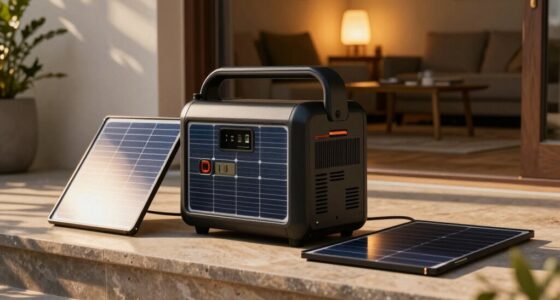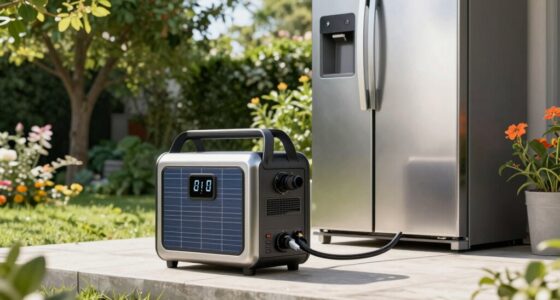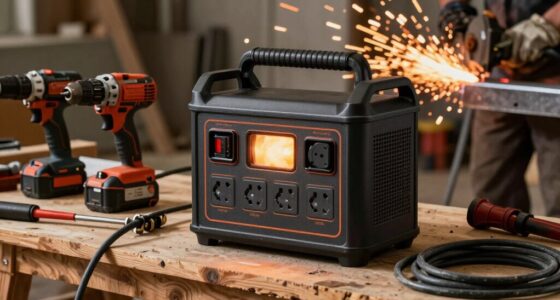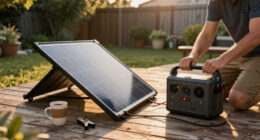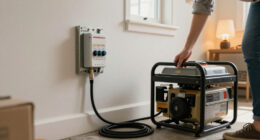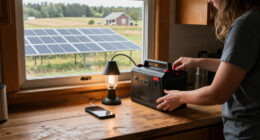
When searching for a high capacity power station, the goal is to find a reliable, long-lasting power source that can handle multiple devices simultaneously. The BLUETTI AC180 stands out as the overall top pick thanks to its robust 1152Wh LiFePO4 battery and fast charging capabilities. For those needing more power, the ABOK Ark3600 offers an impressive 3600W output and 3840Wh capacity, ideal for heavier loads. The main tradeoffs involve balancing capacity, portability, and price—larger units tend to be heavier and more expensive. Continue reading for a detailed comparison of these options and what makes each suitable for different needs.

Get backup power and energy gear delivered free — and shop member deals
- Fast, free delivery on millions of items
- Access to Prime Big Deal Days deals on October 6–7
- Prime Video, Amazon Music and more included
Complete the kit


Key Takeaways
- The top models combine large capacity with fast charging and solar compatibility for versatile use.
- LiFePO4 battery technology provides longer lifespan and safer operation in high-capacity units.
- Higher power output often means increased weight and size, impacting portability for outdoor use.
- Expandable systems like AFERIY’s generator can significantly increase total capacity for extended off-grid living.
- Price varies widely, with premium models offering more features but not always necessary for casual or emergency use.
| BLUETTI Portable Power Station AC180, 1152Wh LiFePO4 Battery Backup with 1800W (2700W peak) AC Outlets, Fast Charging, Solar Compatible |  | Best Overall for Emergency and Off-Grid Power | Battery Capacity: 1152Wh | Battery Type: LiFePO4 | AC Outlets: 2 | VIEW ON AMAZON | See Our Full Breakdown |
| 1000W Portable Power Station 1024Wh LiFePO4 for Outdoor & Home |  | Best for Extended Outages and Moderate Power Needs | Power Output: 1000W | Capacity: 1024Wh | Battery Type: LiFePO4 | VIEW ON AMAZON | See Our Full Breakdown |
| Anker SOLIX C1000 Gen 2 Portable Power Station |  | Best for Rapid Charging and Heavy-Use Camping | Wattage: 2000W | Capacity: 1024Wh | Battery Type: LiFePO4 | VIEW ON AMAZON | See Our Full Breakdown |
| Anker SOLIX S2000 Portable Power Station, 2010Wh, 1500W |  | Best for Long-Term Power in Portable Form | Capacity: 2010Wh | Continuous Power: 1500W | Peak Power: 3000W | VIEW ON AMAZON | See Our Full Breakdown |
| ABOK Ark3600 Portable Power Station 3600W, 3840Wh LiFePO4 Battery |  | Best for Heavy-Duty and Long-Range Power Needs | Wattage: 3600W | Battery Capacity: 3840Wh expandable to 11520Wh | Peak Power: 4500W | VIEW ON AMAZON | See Our Full Breakdown |
| AFERIY 3840Wh Portable Power Station, Expandable Solar Generator to 11520Wh |  | Best Overall for Versatile High-Capacity Power | Battery Capacity: 3840Wh | Expandable Capacity: 11.5kWh | Continuous Output: 3600W | VIEW ON AMAZON | See Our Full Breakdown |
| Jackery Explorer 1000 v2 Portable Power Station, 1070Wh, 1500W |  | Best for Outdoor and Emergency Use with Long Lifespan | Capacity: 1070Wh | AC Output: 1500W | Surge Peak: 3000W | VIEW ON AMAZON | See Our Full Breakdown |
| EBL 2400W Portable Power Station LiFePO4 Battery for Home Use |  | Best for Long-Lasting Power with Multiple Device Support | Capacity: 1843.2Wh | Power Output: 2400W | Weight: 55 lbs | VIEW ON AMAZON | See Our Full Breakdown |
| Jackery HomePower 3000 Portable Power Station, 3072Wh, 3600W AC Output |  | Best for Reliable Home Backup with Balanced Capacity | Wattage: 3600W | Capacity: 3072Wh | Weight: 59.5 lbs | VIEW ON AMAZON | See Our Full Breakdown |
| Jackery HomePower 3600 Plus Power Station, 3584Wh, 3600W AC Output |  | Best Lightweight High-Capacity for Extended Use | Capacity: 3584Wh | AC Output: 3600W | Parallel Output: 7200W | VIEW ON AMAZON | See Our Full Breakdown |
| high capacity power station | Weight | Battery Type | Capacity |
|---|---|---|---|
| BLUETTI Portable Power Station | — | LiFePO4 | — |
| 1000W Portable Power Station 1 | 27.73 lbs | LiFePO4 | 1024Wh |
| Anker SOLIX C1000 Gen 2 Portab | — | LiFePO4 | 1024Wh |
| Anker SOLIX S2000 Portable Pow | 35.7 lbs | LiFePO4 | 2010Wh |
| ABOK Ark3600 Portable Power St | 92 lbs | LiFePO4 | — |
| AFERIY 3840Wh Portable Power S | 80.46 lbs | — | — |
| Jackery Explorer 1000 v2 Porta | 23.8 lbs | LFP | 1070Wh |
| EBL 2400W Portable Power Stati | 55 lbs | LiFePO4 | 1843.2Wh |
| Jackery HomePower 3000 Portabl | 59.5 lbs | — | 3072Wh |
| Jackery HomePower 3600 Plus Po | Approximately 29.3% lighter than comparable models | — | 3584Wh |
More Details on Our Top Picks
BLUETTI Portable Power Station AC180, 1152Wh LiFePO4 Battery Backup with 1800W (2700W peak) AC Outlets, Fast Charging, Solar Compatible
The BLUETTI AC180 stands out as the most balanced choice for those seeking reliable high-capacity backup, especially given its rapid 1-hour recharge and robust 1800W continuous power. When compared to the Anker SOLIX C1000 Gen 2, it offers a higher peak wattage and quicker charging, making it ideal for emergency situations or off-grid setups. Its supporting solar input and UPS response enhance its versatility, but the limited AC outlets and weight could be drawbacks for portability. This station makes the most sense for users who prioritize fast recharge and high power for critical needs without the need for multiple outlets or ultra-lightweight design.
Pros:- Fast 1-hour full charge
- High power output with boost capability to 2700W
- Supports solar charging for eco-friendly use
- Reliable UPS response within 20 ms
Cons:- Limited number of AC outlets
- Heavy and potentially bulky for frequent transport
Best for: Homeowners needing fast, reliable emergency backup with high power output
Not ideal for: Campers or travelers who require ultra-light portability and many outlets
- Battery Capacity:1152Wh
- Battery Type:LiFePO4
- AC Outlets:2
- Continuous Power:1800W
- Peak Power:2700W
- Charging Time (AC):1 hour
- Solar Input:500W
- UPS Response Time:20 ms
- Warranty:5 years
Our verdict“This is best for users who want rapid, high-capacity backup power with emergency readiness at home or in off-grid situations.”
1000W Portable Power Station 1024Wh LiFePO4 for Outdoor & Home
The 1000W Portable Power Station offers a solid balance between capacity and portability, with 1024Wh and multiple charging ports suitable for outdoor use or small home essentials. Compared to the BLUETTI AC180, it provides a similar capacity but with slightly less peak power, making it better suited for lighter loads. Its 300W solar input is enough for steady recharging but may be slow in cloudy conditions. At 27.73 lbs, it remains portable but not for frequent carryover long distances. This pick is ideal for users who need reliable power on camping trips or during outages, but not for high-wattage appliances.
Pros:- 1024Wh capacity provides extended power
- Multiple ports including USB-C and USB-A
- Long-lasting LiFePO4 battery with 3000+ cycles
- Solar compatible for off-grid recharging
Cons:- Relatively heavy at nearly 28 lbs
- Limited solar input may slow charging in poor weather
Best for: Outdoor enthusiasts or homeowners needing dependable power for small appliances during outages
Not ideal for: Heavy-duty appliances or users prioritizing fast recharging and maximum wattage
- Power Output:1000W
- Capacity:1024Wh
- Battery Type:LiFePO4
- Charge Cycles:3000+
- Weight:27.73 lbs
- Solar Input:300W
Our verdict“This station is a smart choice for those seeking reliable, moderate capacity power that balances portability with longevity.”
Anker SOLIX C1000 Gen 2 Portable Power Station
The Anker SOLIX C1000 Gen 2 earns its place by delivering rapid recharge in just 49 minutes and a high 2000W continuous output, making it perfect for users needing quick turnaround and multiple device support. Compared with the BLUETTI AC180, it offers more outlets—9 in total—and supports faster recharging, but at a higher price and with a slightly heavier weight. Its 1024Wh capacity may limit usage for longer trips, but its compact size and quick solar recharge make it appealing for intensive outdoor activities. This model is ideal for those who value speed and versatile output over raw capacity.
Pros:- Fast recharge in 49 minutes with HyperFlash technology
- High 2000W continuous power for multiple devices
- Supports solar recharging in 1.8 hours
- Compact and lightweight design
Cons:- Limited to 1024Wh capacity, less than larger models
- Higher price point relative to capacity
Best for: Active campers or emergency prepper who need quick recharging and multiple device support
Not ideal for: Users with very high power demands or those seeking maximum capacity with fewer outlets
- Wattage:2000W
- Capacity:1024Wh
- Battery Type:LiFePO4
- Total Power Outlets:9
- Fast Recharge:49 minutes
- Solar Recharging:1.8 hours
Our verdict“This option suits active users who need rapid recharging and multiple outlets in a portable format for outdoor or emergency use.”
Anker SOLIX S2000 Portable Power Station, 2010Wh, 1500W
The Anker SOLIX S2000 emphasizes longevity with a 2010Wh battery and over 10,000 charge cycles, making it well-suited for ongoing off-grid use or backup. Its 1500W continuous output can power most essentials, but it isn’t designed for high-wattage appliances. Compared to the ABOK Ark3600, it’s lighter and more portable, yet with a lower capacity and fewer output ports. Its multiple charging options, including solar and car, add flexibility, but the weight of 35.7 lbs can be a barrier for frequent transport. This unit is best for users who prioritize long-term durability over maximum wattage or capacity.
Pros:- High capacity with over 10,000 cycles
- Multiple recharging options including solar and car
- Reliable, long-lasting LiFePO4 battery
- Decent wattage for most essential appliances
Cons:- Heavy for portable use at nearly 36 lbs
- Limited to 1500W continuous power for high-demand devices
Best for: Preppers or remote homeowners seeking a durable, long-life power source
Not ideal for: Those needing to run high-wattage equipment or requiring ultra-light portability
- Capacity:2010Wh
- Continuous Power:1500W
- Peak Power:3000W
- Battery Type:LiFePO4
- Charge Cycles:10,000+
- Weight:35.7 lbs
Our verdict“Ideal for users who need a durable, long-term power solution with a balance of capacity and portability for extended off-grid living.”
ABOK Ark3600 Portable Power Station 3600W, 3840Wh LiFePO4 Battery
The ABOK Ark3600 packs an enormous 3840Wh capacity with expandable options up to 11520Wh, making it stand out for heavy-duty applications or long-term backup. Its 3600W continuous power and 4500W peak wattage support large appliances and multiple devices simultaneously. Compared with smaller models like the Anker SOLIX S2000, it offers significantly more capacity but at the cost of nearly 93 pounds, making it less portable. Its versatility with multiple charging methods and extensive output ports make it suitable for outdoor work, emergency prep, or large-scale home backup. The main tradeoff is its weight and complexity, which limit mobility but maximize capacity and power.
Pros:- Massive 3840Wh capacity with expansion to 11520Wh
- Supports multiple charging options including PV and AC
- 15 versatile output ports for various devices
- Over 4000 cycles for a decade of use
Cons:- Heavy at 92 pounds, difficult to transport
- High initial cost and setup complexity
Best for: Emergency responders, large households, or professionals needing sustained, high-wattage power
Not ideal for: Users needing lightweight, portable units for casual outdoor use or quick trips
- Wattage:3600W
- Battery Capacity:3840Wh expandable to 11520Wh
- Peak Power:4500W
- Battery Type:LiFePO4
- Cycles:Over 4000
- Weight:92 lbs
Our verdict“Best suited for dedicated, long-term power solutions where capacity and durability outweigh portability concerns.”
AFERIY 3840Wh Portable Power Station, Expandable Solar Generator to 11520Wh
This option stands out for its impressive expandable capacity up to 11.5kWh, making it suitable for both home backup and extended outdoor use. Unlike the Jackery HomePower 3600 Plus, which offers a slightly lower capacity but lighter weight, the AFERIY provides a more scalable solution for users needing more power over time. The seamless UPS backup with under 10ms transfer ensures critical devices stay running during outages, but its weight of over 80 lbs makes portability a challenge. Multiple recharging options, including a fast 1.5-hour recharge, add convenience for mobile applications, though additional battery packs are necessary for maximum expansion. Overall, this model balances capacity and versatility but demands a dedicated transport effort.
Pros:- Expandable capacity up to 11.5kWh for long-term and large-scale power needs
- Seamless UPS backup with less than 10ms transfer time for critical devices
- Multiple recharging options, including rapid 1.5-hour recharge
Cons:- Heavy weight at over 80 lbs, difficult to move frequently
- Runtime varies significantly depending on load and additional battery packs needed for full expansion
Best for: Large households or remote work sites requiring high capacity and expandability with reliable backup power
Not ideal for: Users who prioritize portability or need a lightweight solution for frequent transport
- Battery Capacity:3840Wh
- Expandable Capacity:11.5kWh
- Continuous Output:3600W
- Recharge Time:1.5 hours
- Dimensions:22.99 x 12.63 x 18.26 inches
- Weight:80.46 lbs
- Ports:15 (AC, USB, DC, XT60, car socket)
Our verdict“This power station is ideal for those needing scalable, high-capacity backup power with a focus on home or mobile backup solutions.”
Jackery Explorer 1000 v2 Portable Power Station, 1070Wh, 1500W
The Jackery Explorer 1000 v2 offers a reliable 1070Wh capacity combined with a robust 1500W AC output, making it a strong choice for outdoor adventures or emergency backup. Compared to the EBL 2400W, which provides higher power, the Jackery prioritizes portability and durability, with a weight of just 23.8 lbs. Its fast one-hour charging and over 10-year battery lifespan set it apart for long-term outdoor use, though it does require separate purchase of compatible solar panels, unlike some integrated solutions. While app control enhances usability, the device’s weight remains a concern for those needing true portability. Overall, this pick is perfect for users who need a balance of capacity, portability, and longevity.
Pros:- High capacity with 1070Wh for extended outdoor power needs
- Fast charging in just one hour, minimizing downtime
- Durable battery with over 4000 charge cycles for long-term use
- Multiple ports for versatile device charging
Cons:- Solar panel not included, requiring additional investment
- Relatively heavy for frequent portability at nearly 24 lbs
Best for: Campers, road trippers, or emergency prepper households seeking a durable, portable power source with long cycle life
Not ideal for: Users needing very high power output or large-scale home backup, as its capacity is more limited
- Capacity:1070Wh
- AC Output:1500W
- Surge Peak:3000W
- Weight:23.8 lbs
- Charge Time:1 hour
- Battery Type:LFP
- Charge Cycles:4000
Our verdict“This model suits outdoor enthusiasts or emergency users who value durability and long lifespan over sheer capacity.”
EBL 2400W Portable Power Station LiFePO4 Battery for Home Use
The EBL 2400W station offers a solid 1843.2Wh capacity with a 2400W power output, making it suitable for running multiple devices simultaneously during camping or home backup. Its support for 12 devices at once and over 3500 charge cycles highlight its strength for long-term outdoor or emergency use. Compared with the Jackery Explorer 1000, it provides more power and capacity, but at a heavier 55 pounds, which may limit mobility. The robust LiFePO4 battery ensures safety and longevity, yet its size and weight might restrict portability for some users. Overall, this unit is well-suited for those prioritizing capacity and durability over lightweight design.
Pros:- High-capacity 1843.2Wh battery supports many devices simultaneously
- Supports over 3500 charge cycles, ensuring long-term durability
- Supports 12 devices at once with various ports
- LiFePO4 chemistry offers enhanced safety and longevity
Cons:- Heavy weight of 55 pounds reduces portability
- Larger size makes storage or transport more cumbersome
Best for: Homeowners or campers needing reliable, high-capacity power for multiple devices over extended periods
Not ideal for: People who need a highly portable or lightweight solution for frequent transport or small spaces
- Capacity:1843.2Wh
- Power Output:2400W
- Weight:55 lbs
- Dimensions:16.9″ x 11.8″ x 11″
- Charge Cycles:Over 3500
- Battery Type:LiFePO4
Our verdict“This power station is ideal for those needing substantial, durable power for multiple devices over long periods, with less concern for portability.”
Jackery HomePower 3000 Portable Power Station, 3072Wh, 3600W AC Output
The Jackery HomePower 3000 offers a substantial 3072Wh capacity and a powerful 3600W continuous output, making it well-suited for home backup during outages or powering larger outdoor equipment. Its multiple outlets, including RV and domestic sockets, provide versatility that surpasses smaller units like the Anker SOLIX S2000. The fast recharging in under 2 hours and built-in UPS feature ensure seamless, reliable power, but its weight of nearly 60 pounds could hinder portability for frequent movement. The limited number of outlets, four in total, might restrict simultaneous device use for very large power demands. Overall, it strikes a good balance for users needing a dependable, high-capacity portable power source for household or outdoor use.
Pros:- High capacity with 3072Wh and 3600W output for demanding devices
- Multiple charging options, including solar compatibility
- Fast recharging under two hours and seamless UPS integration
- Reliable for household backup or larger outdoor power needs
Cons:- Relatively heavy at 59.5 pounds for portable use
- Limited to four outlets, which may restrict simultaneous device charging
Best for: Homeowners or outdoor users requiring a reliable, high-capacity backup with multiple outlets
Not ideal for: Individuals who need ultra-lightweight or highly portable units for frequent out-and-about use
- Wattage:3600W
- Capacity:3072Wh
- Weight:59.5 lbs
- Dimensions:16.4″L x 12.8″W x 12″H
- Warranty:30 days
Our verdict“This power station suits users seeking a dependable, high-capacity backup with versatile charging options for home or outdoor emergencies.”
Jackery HomePower 3600 Plus Power Station, 3584Wh, 3600W AC Output
The Jackery HomePower 3600 Plus combines a large 3584Wh capacity with a 3600W AC output, making it a compelling choice for those needing long-lasting power in a portable form. Its lighter weight by approximately 29.3% compared to comparable units enhances mobility, especially for outdoor adventures or emergency scenarios. The multiple charging options, including solar, and the high safety standards ensure flexible and reliable use. However, its higher initial cost and the need for multiple units for very large power requirements might be limiting factors. This model emphasizes portability without sacrificing significant capacity or power output, ideal for users who value mobility in high-capacity power solutions.
Pros:- High capacity with 3584Wh and 3600W output for extended use
- Lighter weight improves portability for outdoor and emergency use
- Multiple charging methods including solar for off-grid flexibility
- Long lifespan with 6,000 cycles, up to 10 years
Cons:- Higher initial purchase price compared to less capable units
- Requires multiple units for very large power demands
Best for: Outdoor enthusiasts or emergency users needing high capacity with portability and ease of transport
Not ideal for: Households or businesses that require multiple high-power outlets simultaneously or maximum scalability for large loads
- Capacity:3584Wh
- AC Output:3600W
- Parallel Output:7200W
- Weight:Approximately 29.3% lighter than comparable models
- Charge Time (AC+DC):2 hours
- Charge Time (solar):4 hours
- Lifespan:6,000 cycles
Our verdict“This power station offers a high-capacity, portable solution for users needing reliable power on the go or during outages, with a focus on mobility and long-term use.”
How We Picked
These products were selected based on their total capacity, power output, battery technology, and portability. We prioritized units with high capacity (above 1000Wh), reliable battery chemistry like LiFePO4 for longevity, and features such as fast charging and solar compatibility. Practical usability factors, including weight and design, also influenced rankings. The aim was to identify options suitable for both emergency backup and extended off-grid use, balancing performance with value. Products that excelled in multiple categories earned higher placement, while those with notable tradeoffs were positioned accordingly.| high capacity power station | Battery Type |
|---|---|
| BLUETTI Portable Power Station | LiFePO4 |
| 1000W Portable Power Station 1 | LiFePO4 |
| Anker SOLIX C1000 Gen 2 Portab | LiFePO4 |
| Anker SOLIX S2000 Portable Pow | LiFePO4 |
| ABOK Ark3600 Portable Power St | LiFePO4 |
| AFERIY 3840Wh Portable Power S | — |
| Jackery Explorer 1000 v2 Porta | LFP |
| EBL 2400W Portable Power Stati | LiFePO4 |
| Jackery HomePower 3000 Portabl | — |
| Jackery HomePower 3600 Plus Po | — |
Factors to Consider When Choosing High Capacity Power Station
Choosing a high capacity power station involves considering several key factors beyond just size and wattage. Understanding your specific needs—whether for outdoor adventures, home backup, or professional use—can help narrow down options. This guide highlights the most important considerations to ensure you pick a unit that balances capacity, usability, and value.Battery Chemistry and Longevity
LiFePO4 batteries dominate high-capacity models because of their longer lifespan and enhanced safety profile compared to traditional lithium-ion batteries. They typically support more charge cycles, making them more cost-effective over time. Choosing a power station with proven battery chemistry can prevent early replacements and ensure reliable performance during extended use. Be mindful that some units with advanced batteries might come at a higher upfront cost, but they often save money in the long run.
Power Output and Compatibility
Assess your device needs carefully. Higher wattage outputs, such as 3000W or more, allow you to run larger appliances and multiple devices simultaneously. However, increased power often adds weight and size to the unit. Check the inverter specifications, especially surge capacity, to ensure it can handle your heaviest loads. Compatibility with solar panels is also important if you plan to use renewable energy sources for charging, which can extend your off-grid capabilities.
Portability vs. Capacity Tradeoffs
High capacity units tend to be larger and heavier, which can limit portability. If mobility is a priority—such as for camping or emergency kits—look for models that strike a balance between size and capacity. Some brands offer modular or expandable systems, allowing you to add capacity as needed without sacrificing too much portability. Always consider where and how you’ll use the power station to avoid buying a model that’s too bulky or underpowered for your scenario.
Charging Options and Speed
Fast charging is a valuable feature, especially when you need to recover capacity quickly after use. Many units support AC wall charging, car charging, and solar input. Solar compatibility can be a game-changer for off-grid use, but check the input wattage and efficiency. Expanding solar capacity can help reduce charging times and improve independence. Keep in mind that charging speed and flexibility can significantly influence your overall experience, especially in emergency situations.
Price and Long-Term Value
High capacity power stations can range from moderate to premium prices. While investing more often yields better features, longer battery life, and enhanced durability, it’s essential to match your budget with your actual needs. For infrequent or backup use, a more affordable model might suffice. Conversely, if you rely on your power station for critical operations or extended off-grid living, spending on a premium model with longer lifespan and additional features can be justified. Always consider the total cost of ownership, including potential replacement batteries and maintenance.
Frequently Asked Questions
How long will a high capacity power station last during a power outage?
The runtime of a high capacity power station depends on the total capacity (Wh) and the load it’s supporting. For example, a 2000Wh unit running a 100W device could theoretically last around 20 hours. Actual runtime may vary based on device efficiency, battery health, and usage patterns. Choosing a model with a higher capacity ensures longer backup times, but it also means increased size and weight.
Can I use a high capacity power station for my RV or camper?
Yes, many high capacity power stations are suitable for RV or camper use, especially models with multiple AC outlets and high wattage support. Look for units with solar input options to recharge during trips and sufficient inverter capacity to run appliances like refrigerators, microwaves, or air conditioners. Be mindful of weight and size, as some units can be quite heavy—consider portable options if mobility is a concern.
Is it better to choose a larger capacity or a more compact design?
This depends on your primary use case. Larger capacity models provide longer runtime and can power more devices, ideal for emergency backup or extended off-grid living. However, they tend to be heavier and less portable. Compact models with slightly lower capacity are easier to carry and set up but may require more frequent recharging. Think about where you’ll use the power station most often and balance capacity with portability accordingly.
How important is solar compatibility in a high capacity power station?
Solar compatibility can significantly enhance your ability to recharge off-grid, making your power station more self-sufficient. Look for units with high solar input wattage and compatible panels to minimize charging times. While solar integration adds to initial costs, it can reduce dependence on grid power and extend your usage in remote locations. For those planning long-term off-grid or emergency use, solar capability becomes a valuable feature.
What should I consider regarding battery lifespan and replacement costs?
Battery lifespan is a key factor in the overall value of a high capacity power station. Units with LiFePO4 chemistry typically support 2000+ charge cycles, translating to several years of reliable use. Replacement costs for batteries can be high, so selecting a model with a proven long lifespan can save money over time. Additionally, check if the manufacturer offers replacement batteries or warranty coverage to protect your investment.
Conclusion
For casual users or those needing emergency backup, a mid-range model like the Jackery Explorer 1000 offers a good balance of capacity and portability. If you require the highest capacity for prolonged off-grid living or professional use, the Jackery HomePower 3600 Plus or ABOK Ark3600 stand out as premium picks. Budget-conscious buyers should look at more affordable options that still provide reliable performance, while outdoor enthusiasts will benefit from units with solar compatibility and lightweight design. Ultimately, your choice depends on your specific power needs, mobility preferences, and budget constraints.
Fall Picks
fall essentials
As an affiliate, we earn on qualifying purchases.