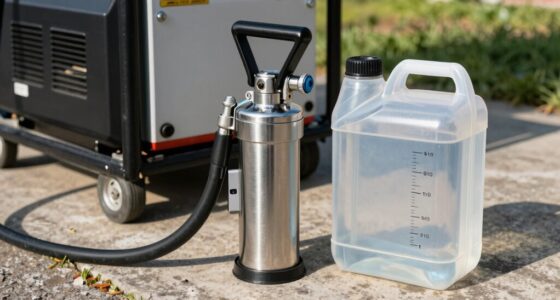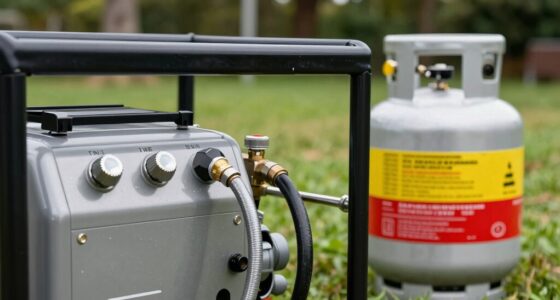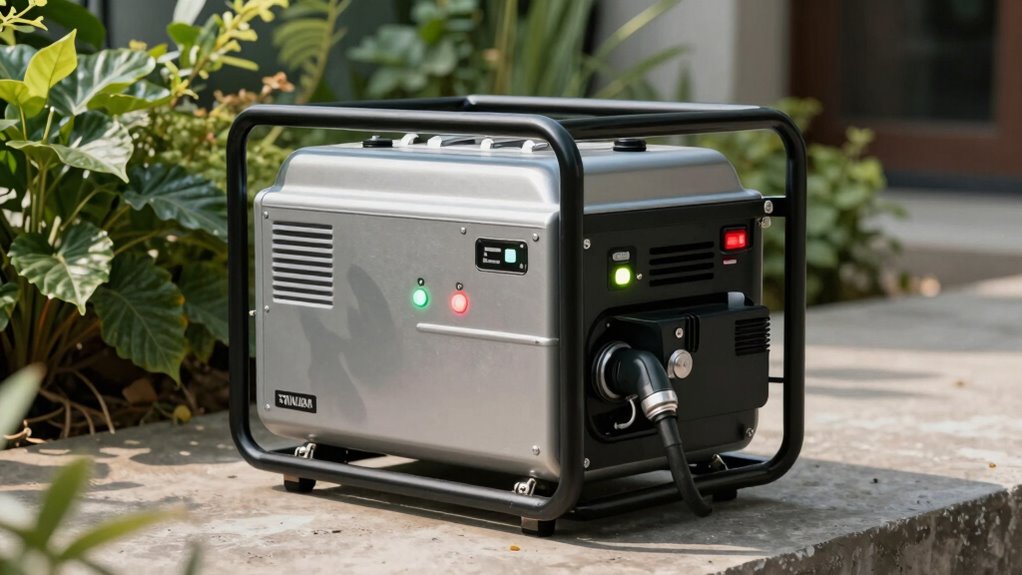

A tri fuel generator offers the flexibility to run on gasoline, propane, or natural gas, making it a versatile choice for backup power, camping, or RV use. The best models balance power output, fuel efficiency, and ease of use, but tradeoffs exist—like higher costs for premium features or larger size for greater capacity. The Westinghouse 28000 Peak Watt model stands out as the overall best for its massive power and remote start, while the DuroMax XP15000HXT excels in safety with CO detection. Continue reading for a detailed breakdown of each option to find the best fit for your needs.

Get backup power and energy gear delivered free with Prime
- Fast, free delivery on millions of items
- Prime Video, Amazon Music and more included
- Member-only deals all year
Complete the kit


Key Takeaways
- Top-performing models offer high wattage capacities suitable for whole-house backup or large appliances.
- Fuel versatility varies, with some generators supporting all three fuels seamlessly, while others prioritize ease of switching.
- Remote electric start and transfer switch readiness are common features in premium picks, enhancing convenience.
- Size and weight differ significantly; compact inverter models are portable but have lower power, while larger units are more powerful but less mobile.
- Safety features like CO alerts and sensors are essential for outdoor or home use, especially when running for extended periods.
| Westinghouse 28000 Peak Watt Tri-Fuel Portable Generator with Remote Electric Start and Transfer Switch Ready |  | Best Overall for Heavy-Duty Home Backup and Jobsites | Peak Watts (Gasoline): 28,000 | Running Watts (Gasoline): 20,000 | Tank Capacity: 17.2 gallons | VIEW ON AMAZON | See Our Full Breakdown |
| DuroMax XP15000HXT 15,000 Watt Tri Fuel Portable Home Power Backup Generator with CO Alert |  | Best for Whole-Home Backup with Safety Features | Power Output: 15,000 watts | Fuel Types: Gasoline, Propane, Natural Gas | Engine: 500cc OHV | VIEW ON AMAZON | See Our Full Breakdown |
| Generac 12,500 Starting Watt Tri-Fuel Portable Generator with Electric Start |  | Best for Extended Runtime and Safety Tech | Starting Watts: 12,500 | Fuel Types: Gasoline, Propane, Natural Gas | Engine: 500cc OHV | VIEW ON AMAZON | See Our Full Breakdown |
| Westinghouse 14500 Peak Watt Tri-Fuel Portable Generator with Remote Electric Start and Transfer Switch Ready |  | Best for Mid-Range Power with Long Runtime | Peak Watts: 14,500 | Running Watts: 11,500 | Fuel Tank Capacity: 9.5 gallons | VIEW ON AMAZON | See Our Full Breakdown |
| WEN 14,500-Watt Tri-Fuel Generator with Electric Start and CO Watchdog |  | Best Budget-Friendly with Safety Features | Surge Watts: 14,500 | Running Watts: 11,500 | Tank Capacity: 8.2 gallons | VIEW ON AMAZON | See Our Full Breakdown |
| DuroStar DS13000MXT 13,000-Watt Tri Fuel Portable Generator with Remote Electric Start |  | Best Overall for Whole-Home Backup | Power Output: 13,000 watts | Fuel Types: Gasoline, Propane, Natural Gas | Start Type: Remote Electric Start | VIEW ON AMAZON | See Our Full Breakdown |
| Westinghouse 12500 Peak Watt Tri-Fuel Portable Generator with Remote Electric Start |  | Best for Long Runtime and Versatility | Peak Watts: 12,500 | Running Watts (Gasoline): 9,500 | Fuel Tank Capacity: 6.6 gallons | VIEW ON AMAZON | See Our Full Breakdown |
| DuroMax XP13000HXT 13,000-Watt Tri Fuel Portable Generator with CO Alert, Black/Blue |  | Best for Commercial and Heavy-Use Applications | Wattage: 13000 watts | Fuel Type: Gasoline, Propane, Natural Gas | Engine Power: 13 KW | VIEW ON AMAZON | See Our Full Breakdown |
| Westinghouse 13500 Peak Watt Tri-Fuel Portable Generator with Remote Electric Start |  | Best for Extended Runtime and High Peak Power | Peak Wattage: 13,500 | Running Watts: 10,500 | Fuel Tank Capacity: 9.5 gallons | VIEW ON AMAZON | See Our Full Breakdown |
| Westinghouse 8200 Peak Watt Tri-Fuel Portable Inverter Generator with Remote Electric Start and CO Sensor |  | Best for Quiet, Portable, Electronics-Safe Power | Peak Wattage: 8,200 | Running Wattage: 6,600 | Fuel Tank Capacity: 3.9 gallons | VIEW ON AMAZON | See Our Full Breakdown |
| tri fuel generator | Outlets | Runtime | Engine |
|---|---|---|---|
| Westinghouse 28000 Peak Watt T | Multiple including 50A, 30A, GFCI | up to 15 hours | 999 cc Westinghouse V-Twin OHV |
| DuroMax XP15000HXT 15,000 Watt | Multiple including twist-lock and GFCI | up to 9.5 hours at 50% load | 500cc OHV |
| Generac 12,500 Starting Watt T | Multiple including twist-lock | 9.5 hours at 50% load | 500cc OHV |
| Westinghouse 14500 Peak Watt T | Multiple including 30A, 50A, GFCI | up to 19 hours | 550cc 4-stroke OHV |
| WEN 14,500-Watt Tri-Fuel Gener | — | up to 12 hours | 500cc 4-stroke OHV |
| DuroStar DS13000MXT 13,000-Wat | Multiple including 50 amp transfer switch-ready | — | — |
| Westinghouse 12500 Peak Watt T | Multiple including transfer switch and RV | — | — |
| DuroMax XP13000HXT 13,000-Watt | 7 including transfer switch-ready | 8 hours | — |
| Westinghouse 13500 Peak Watt T | Multiple including transfer switch | — | — |
| Westinghouse 8200 Peak Watt Tr | Multiple including GFCI | — | — |
More Details on Our Top Picks
Westinghouse 28000 Peak Watt Tri-Fuel Portable Generator with Remote Electric Start and Transfer Switch Ready
This model stands out for its exceptional power output, reaching up to 28,000 peak watts on gasoline—far surpassing most competitors like the Westinghouse 14500 Peak Watt model. Its tri-fuel capability offers unmatched versatility, allowing use of natural gas, propane, or gasoline for extended runtime and fuel flexibility. The large 17.2-gallon tank supports up to 15 hours of operation, making it ideal for large homes or demanding job sites. However, this power comes with significant weight and size, making transportation challenging without assistance. Its high price reflects its heavy-duty design and extensive features, including a transfer switch readiness and multiple outlets. Compared with smaller units, this generator is better suited for users who need serious backup power and don’t mind the logistics of moving it. The tradeoffs are weight and cost, but for those needing maximum tri-fuel capacity, it’s a top-tier choice.
Pros:- Unmatched peak power of 28,000 watts on gasoline
- Long run time of up to 15 hours on a full tank
- Multiple outlets and transfer switch ready for home or work
Cons:- Heavy and large, difficult to transport without help
- Higher price point due to extensive power and features
Best for: Large households, contractors, or industrial users needing reliable, high-capacity tri-fuel power.
Not ideal for: Small households or campers who require portability and lower power outputs.
- Peak Watts (Gasoline):28,000
- Running Watts (Gasoline):20,000
- Tank Capacity:17.2 gallons
- Runtime:up to 15 hours
- Engine:999 cc Westinghouse V-Twin OHV
- Outlets:Multiple including 50A, 30A, GFCI
Our verdict“This generator is best for users who need maximum power and fuel flexibility but can handle its size and cost.”
DuroMax XP15000HXT 15,000 Watt Tri Fuel Portable Home Power Backup Generator with CO Alert
This generator delivers 15,000 watts, making it suitable for most home backup needs, especially when compared to smaller models like the WEN 14500. Its tri-fuel capability adds flexibility, while the CO alert system enhances safety during extended outages. The 500cc engine provides ample power, and its push-button and remote start offer convenience. However, its weight and size make it less portable, and setup may require some technical knowledge for optimal use. The higher price point reflects its power and safety features, making it a good investment for those prioritizing safety and ease of operation during prolonged outages. Compared to the Generac 12,500, it offers more raw power and fuel options but at the cost of increased complexity and weight. It’s an excellent choice for users who want a powerful, safe, and relatively easy-to-start generator for full-home backup.
Pros:- High power output suitable for whole-home backup
- Versatile tri-fuel operation for extended runtime
- CO alert system enhances safety during operation
Cons:- Heavy and less portable, requiring assistance to move
- Setup can be complex for non-technical users
Best for: Homeowners seeking reliable, high-capacity backup with safety features and tri-fuel flexibility.
Not ideal for: Campers or users needing lightweight portable units, due to its weight and setup complexity.
- Power Output:15,000 watts
- Fuel Types:Gasoline, Propane, Natural Gas
- Engine:500cc OHV
- Runtime:up to 9.5 hours at 50% load
- Outlets:Multiple including twist-lock and GFCI
- Features:Push button start, remote start, CO alert
Our verdict“This generator is ideal for homeowners needing a powerful, safe, and flexible backup solution with manageable complexity.”
Generac 12,500 Starting Watt Tri-Fuel Portable Generator with Electric Start
This model offers 12,500 starting watts, a step down from the larger Westinghouse and DuroMax models, but still provides reliable power for home or jobsite use. Its tri-fuel capability adds versatility, and the automatic voltage regulation ensures stable output, compared to some units like the WEN that lack this feature. The COsense technology further improves safety, making it suitable for users prioritizing electrical stability and safety. It is relatively heavy at 219 lbs, similar in weight to the DuroMax, so portability is limited. Setup may be complex for beginners, and the price reflects its extended runtime and safety features. Compared with the Westinghouse 14500, this generator offers slightly less power but more advanced safety technology, which can be a deciding factor for safety-conscious buyers. It’s an excellent choice for those wanting a durable, safe, and reliable power source with moderate power needs.
Pros:- Reliable 12,500 starting watts for home or jobsite
- Automatic voltage regulation for stable power
- COsense safety technology for enhanced protection
Cons:- Heavy, less portable for frequent transport
- Setup complexity might challenge beginners
Best for: Home users needing safe, stable backup power with extended runtime and safety features.
Not ideal for: Users seeking maximum power or portability, due to weight and moderate wattage.
- Starting Watts:12,500
- Fuel Types:Gasoline, Propane, Natural Gas
- Engine:500cc OHV
- Runtime:9.5 hours at 50% load
- Outlets:Multiple including twist-lock
- Features:Auto voltage regulation, COsense
Our verdict“This generator suits users who value safety, stability, and reliable runtime over maximum raw power or portability.”
Westinghouse 14500 Peak Watt Tri-Fuel Portable Generator with Remote Electric Start and Transfer Switch Ready
This generator provides a solid 14,500 peak watts, making it suitable for powering essential appliances during outages, especially when compared to the WEN 14500 model. Its tri-fuel capability adds flexibility, and the electric start with remote key fob simplifies operation. The 9.5-gallon tank supports up to 19 hours of runtime, making it ideal for longer power outages. Its low THD and copper windings help protect sensitive electronics better than some lower-quality units. However, it is relatively heavy and large, which affects portability, and setup can be somewhat complex with multiple fuel connections. The price is moderate, reflecting its balanced features and performance. Compared to the smaller WEN generator, this model offers higher power and longer runtime, making it better suited for users needing more robust backup power while still maintaining portability.
Pros:- Long runtime of up to 19 hours on gasoline
- Tri-fuel flexibility for extended use
- Remote electric start for convenience
Cons:- Heavy and less portable for frequent movement
- Setup complexity with multiple fuel options
Best for: Homeowners needing reliable backup with long runtime and electronics safety for moderate to large homes.
Not ideal for: Users prioritizing ultra-lightweight or very portable units for camping or quick moves.
- Peak Watts:14,500
- Running Watts:11,500
- Fuel Tank Capacity:9.5 gallons
- Runtime:up to 19 hours
- Engine:550cc 4-stroke OHV
- Outlets:Multiple including 30A, 50A, GFCI
Our verdict“This generator balances power, runtime, and safety features, ideal for homeowners seeking dependable backup for extended outages.”
WEN 14,500-Watt Tri-Fuel Generator with Electric Start and CO Watchdog
This unit offers 14,500 surge watts, matching the Westinghouse 14500 in power but at a more accessible price point. Its tri-fuel versatility makes it suitable for various emergency and outdoor scenarios, while the electric start and CO watchdog sensor add safety and convenience. The 8.2-gallon tank provides up to 12 hours of runtime at half load, somewhat less than larger models but sufficient for many backup needs. Its bulk and weight are comparable to other portable generators, which may limit ease of transport. The setup involves multiple fuel connections, and while it provides good value, it lacks some of the advanced safety tech seen in higher-end units like the Generac. This generator makes the most sense for budget-conscious users who still want reliable tri-fuel operation with safety features, though it sacrifices some runtime and portability.
Pros:- Affordable price for 14,500 surge watts
- Tri-fuel operation for fuel flexibility
- CO watchdog sensor for safety
Cons:- Relatively heavy and bulky for frequent transport
- Limited runtime of 12 hours at half load
Best for: Budget-conscious homeowners or outdoor enthusiasts needing reliable, safe backup power.
Not ideal for: Users requiring maximum runtime or ultra-light portability, due to its size and runtime limitations.
- Surge Watts:14,500
- Running Watts:11,500
- Tank Capacity:8.2 gallons
- Runtime:up to 12 hours
- Engine:500cc 4-stroke OHV
- Features:Electric start, CO watchdog
Our verdict“This generator offers solid power and safety features at a budget-friendly price for users needing dependable backup without extra bells and whistles.”
DuroStar DS13000MXT 13,000-Watt Tri Fuel Portable Generator with Remote Electric Start
The DuroStar DS13000MXT stands out for its impressive power output, capable of running an entire home during outages, making it a top choice for serious backup needs. Compared with the Westinghouse 13500 Peak Watt, it offers slightly higher continuous wattage and a more comprehensive safety suite, including CO alerts. The remote electric start adds convenience, especially during storms or emergencies. The key tradeoff is its weight—this model is quite heavy and less portable, which could be a challenge for those needing mobility. Its higher price reflects its high capacity and safety features, making it better suited to users who prioritize reliability and power over maneuverability.
Pros:- Delivers enough power to run an entire home during outages
- Flexible fuel options (gas, propane, natural gas) for convenience
- Remote electric start for quick, easy operation
- Built-in CO Alert enhances safety
Cons:- Heavy and difficult to move without assistance
- Higher price point may be prohibitive for budget-conscious buyers
Best for: Homeowners needing reliable, high-capacity backup power for entire residences during outages
Not ideal for: Campers or jobsite users who require lightweight, portable units for frequent transport
- Power Output:13,000 watts
- Fuel Types:Gasoline, Propane, Natural Gas
- Start Type:Remote Electric Start
- Outlets:Multiple including 50 amp transfer switch-ready
- Safety Features:CO Alert
- Weight:Heavy
Our verdict“This generator suits those seeking maximum power and safety for whole-home backup, willing to handle its weight and higher cost.”
Westinghouse 12500 Peak Watt Tri-Fuel Portable Generator with Remote Electric Start
The Westinghouse WGen9500TFc offers a compelling balance of power and runtime, with up to 12,500 peak watts and an impressive 19 hours of operation on a 6.6-gallon tank, outperforming some competitors like the Westinghouse 13500 Peak Watt in fuel efficiency. Its remote start and digital features enhance user convenience, while the multiple outlets, including RV and transfer switch-ready options, make it adaptable for various backup scenarios. The main tradeoff is its bulk—this unit is heavy and may be cumbersome for frequent transport. Its high capacity and long runtime make it ideal for users who need extended power without frequent refueling, though it might be overkill for small-scale needs.
Pros:- Extended runtime of up to 19 hours on a full tank
- High peak wattage for demanding appliances
- Remote electric start for convenience
- Multiple outlets including RV-ready connections
Cons:- Heavy and bulky, challenging to transport regularly
- Complex setup may intimidate beginners
Best for: Users requiring long-lasting, versatile backup power at a reasonable price point
Not ideal for: Those needing a lightweight or ultra-portable generator for frequent movement
- Peak Watts:12,500
- Running Watts (Gasoline):9,500
- Fuel Tank Capacity:6.6 gallons
- Run Time:Up to 19 hours
- Outlets:Multiple including transfer switch and RV
- Weight:Heavy
Our verdict“Ideal for users prioritizing long runtime and fuel flexibility over portability and ease of handling.”
DuroMax XP13000HXT 13,000-Watt Tri Fuel Portable Generator with CO Alert, Black/Blue
The DuroMax XP13000HXT delivers robust power with a 13,000-watt peak, suitable for both residential and commercial setups. Its 500cc engine provides strong performance, comparable to the DuroStar DS13000MXT, but with a more durable steel frame and a digital display that helps monitor performance. The electric and remote start features add convenience, while the CO alert enhances safety during extended use. The main drawback is its weight—this model is quite heavy and less portable, which could be limiting for those needing frequent movement. It’s best suited for users who want a reliable, heavy-duty generator capable of hard work over long periods, rather than portability.
Pros:- High power output suitable for demanding applications
- Tri-fuel capability for flexible fuel use
- Electric and remote start for ease of operation
- Includes CO alert for safety
Cons:- Heavy and less portable for frequent relocation
- Longer runtime may require managing fuel logistics
Best for: Commercial operators or homeowners needing durable, high-capacity backup with safety features
Not ideal for: Campers or those seeking a lightweight, portable solution for occasional use
- Wattage:13000 watts
- Fuel Type:Gasoline, Propane, Natural Gas
- Engine Power:13 KW
- Runtime:8 hours
- Outlets:7 including transfer switch-ready
- Weight:Heavy
Our verdict“This generator is well-suited for demanding, long-duration applications where power and safety are priorities over portability.”
Westinghouse 13500 Peak Watt Tri-Fuel Portable Generator with Remote Electric Start
The Westinghouse 13500 Peak Watt generator offers a significant power boost with 13,500 peak watts, making it one of the most powerful options in this roundup. Its long runtime—up to 19 hours on a 9.5-gallon tank—surpasses many competitors like the DuroStar DS13000MXT, ideal for prolonged outages or remote job sites. The remote start and CO safety features add user convenience and security. Its considerable weight and size, however, mean it’s less suited for frequent transport or small-scale use. This model makes sense for those who need maximum runtime and peak power for extended periods, accepting its bulk and size as part of the package.
Pros:- Long runtime of up to 19 hours
- High peak wattage for demanding equipment
- Remote start for convenience
- Multiple outlets including transfer switch and RV
Cons:- Very heavy and bulky for transport
- Potential residual odors from factory testing
Best for: Users needing extended run times and high peak wattage for critical loads over long durations
Not ideal for: Individuals requiring a portable, lightweight generator for frequent movement and smaller loads
- Peak Wattage:13,500
- Running Watts:10,500
- Fuel Tank Capacity:9.5 gallons
- Run Time:Up to 19 hours
- Outlets:Multiple including transfer switch
- Weight:Heavy
Our verdict“This generator excels for users who prioritize extended runtime and peak power over portability and ease of handling.”
Westinghouse 8200 Peak Watt Tri-Fuel Portable Inverter Generator with Remote Electric Start and CO Sensor
The Westinghouse iGen8200TFc offers a compact, inverter-based design with 8,200 peak watts and up to 17 hours of runtime, making it ideal for camping, small home backup, or job sites where quiet operation matters. Its inverter technology ensures low THD, safe for sensitive electronics, unlike larger models such as the DuroMax XP13000HXT. The remote start feature adds convenience, but its smaller size comes with a tradeoff—less total power capacity, which limits its use for larger appliances or whole-home backup. This generator shines for users needing portable, quiet power that’s safe for electronics, but it’s not suitable for high-demand situations.
Pros:- Quiet operation at around 60 dBA
- Low THD safe for sensitive electronics
- Long runtime of up to 17 hours
- Compact and lightweight for portability
Cons:- Limited peak wattage for high-demand appliances
- Higher price for inverter technology and safety features
Best for: Campers, tailgaters, or homeowners needing quiet, electronics-friendly backup power
Not ideal for: Users requiring high wattage for large appliances or whole-house backup
- Peak Wattage:8,200
- Running Wattage:6,600
- Fuel Tank Capacity:3.9 gallons
- Run Time:Up to 17 hours
- Noise Level:around 60 dBA
- Outlets:Multiple including GFCI
Our verdict“This inverter generator is ideal for those seeking quiet, portable power for electronics and small loads, accepting limited wattage capacity.”

How We Picked
Our evaluation focused on key factors that matter most to users: power output, fuel versatility, safety features, ease of use, and build quality. We prioritized models that provide reliable performance across all three fuels and included features that enhance convenience and safety. Cost was considered, but only in relation to value offered, ensuring that higher-priced options deliver meaningful advantages. The ranking reflects a balance between capacity, safety, usability, and customer feedback, helping buyers find the best fit for their specific needs.Factors to Consider When Choosing Tri Fuel Generator
Choosing the right tri fuel generator involves more than just looking at wattage. It’s important to consider how you’ll use it, the types of fuels available in your area, and safety features to protect you and your equipment. Understanding these factors will help you avoid common pitfalls like overestimating your power needs or neglecting safety precautions.Power Capacity and Size
Evaluate your power needs carefully—larger appliances or whole-house backup require higher wattage models. However, bigger generators tend to be heavier and less portable. Consider whether you need a portable unit for camping or a stationary setup for home backup. Balancing capacity with size and weight ensures you select a generator you can handle and store comfortably.
Fuel Compatibility and Switching
Not all tri fuel generators support seamless switching between fuels, and some may be limited to specific fuel types or require manual adjustments. Think about what fuels are readily available and safe to use in your environment. Models with easy fuel switching and robust fuel lines tend to reduce downtime and simplify operation, especially during extended outages.
Safety Features
Features like CO detection, alerts, and automatic shutoffs are vital, especially if you’ll run the generator indoors or in enclosed spaces. Safety shouldn’t be an afterthought, as improper use can pose health risks or fire hazards. Prioritize models with built-in safety sensors and user alerts to protect your household or campsite.
Ease of Use and Maintenance
Look for features like electric start, remote control, and straightforward fuel switching. These improve convenience, especially during emergency use or frequent testing. Additionally, consider how easy it is to access filters, oil, and other maintenance points—regular upkeep extends your generator’s lifespan and performance.
Budget and Value
While premium models offer advanced features and higher wattages, they come at a higher cost. Conversely, budget options may lack safety features or have lower capacity but are more affordable for light use. Determine your priorities—whether maximum power, safety, portability, or affordability—and choose a model that offers the best value within your budget.
Frequently Asked Questions
Can I run my entire house on a tri fuel generator?
Running an entire house depends on the generator’s wattage capacity and your home’s energy demands. Most tri fuel generators provide enough power for essential appliances, but larger homes with high energy needs may require a more powerful unit or multiple generators. It’s important to calculate your total load beforehand to ensure the generator can handle your critical circuits safely.
How easy is it to switch between different fuels on a tri fuel generator?
Switching fuels varies by model; some offer manual switching with simple controls, while others feature automatic or semi-automatic systems. Generally, manual switches require turning a valve and possibly restarting the engine, so ease of switching depends on the design. Reading the user manual and practicing switching in advance helps prevent surprises during an outage.
Are tri fuel generators safe to use indoors?
Most tri fuel generators are designed for outdoor use due to exhaust gases and carbon monoxide risk. If you plan to run a generator indoors or in enclosed spaces, look for models with CO detection and alarms. Never operate a generator in a garage, basement, or any poorly ventilated area unless explicitly specified by the manufacturer as safe with safety features in place.
What maintenance is required for tri fuel generators?
Regular maintenance includes checking and changing oil, inspecting fuel lines, and cleaning air filters. It’s also important to run the generator periodically to keep it in working condition. Fuel compatibility means you should store fuels safely and refill as needed, but always follow manufacturer instructions to ensure safety and longevity.
Is a higher wattage always better for a tri fuel generator?
Not necessarily. Higher wattage provides more power, but if your needs are modest, a smaller unit can be more portable and cost-effective. Overestimating your power requirement may lead to unnecessary expense and increased size. Carefully assess your actual power needs to choose a generator that offers sufficient capacity without excess bulk.
Conclusion
For most homeowners and frequent campers, the Westinghouse 28000 Peak Watt stands out as the best overall choice, thanks to its high capacity and remote start. If safety features like CO detection are a priority, the DuroMax XP15000HXT makes an excellent pick. Budget-conscious buyers seeking reliable power might prefer the WEN 14,500-Watt model for its value. Beginners or those with modest needs should consider smaller inverter options like the Westinghouse 8200 Peak Watt. Large households or outdoor enthusiasts demanding maximum power should opt for models that balance capacity with safety and ease of use, ensuring reliable operation in all scenarios.