
TL;DR
A House Beautiful report outlines five practical ways to make indoor spaces feel calmer during autumn and winter: organize everyday items, spend time near a bright window, bring natural elements inside, use familiar scents in an evening routine, and make the bedroom more inviting. The suggestions are expert recommendations, not evidence that these changes will produce the same effects for everyone.
House Beautiful has published five expert-backed suggestions for making homes feel calmer through autumn and winter, when shorter days and colder weather can mean spending more time indoors. The recommendations—from reducing visible clutter to creating an evening scent routine—offer low-effort ways to adjust a living space, though the report does not present them as proven treatments for stress or sleep problems.

Get backup power and energy gear delivered free with Prime
- Fast, free delivery on millions of items
- Prime Video, Amazon Music and more included
- Member-only deals all year
The report begins with simplifying storage. Wellness expert Adrienne Herbert, speaking in collaboration with Homesense, says reducing visual clutter and giving everyday items a place can make a home feel more organized and easier to unwind in. Storage expert Max Wilson, co-founder of Pocket Storage, says that moving seasonal belongings aside and making room for items in current use may be enough; the advice does not require a major clear-out. Baskets, boxes and hooks are suggested for frequently used belongings.
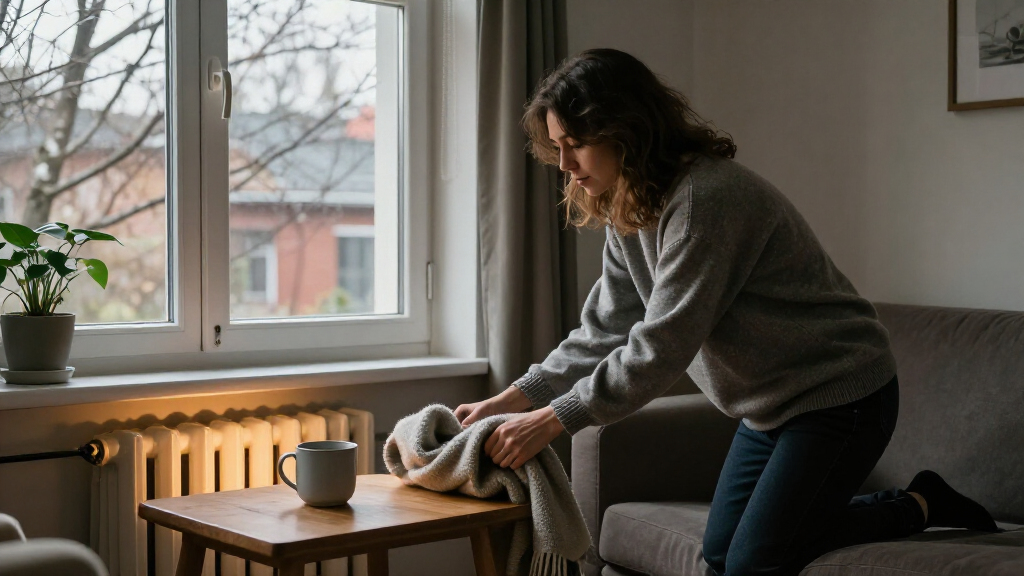
For darker mornings, Herbert recommends spending time near a bright window, such as by placing a chair or breakfast spot near the home’s brightest window. The report also suggests adding plants, flowers or natural materials such as wood, rattan and stone to create a stronger visual connection to the outdoors. These are presented as ways to make a room feel restorative, not as clinical interventions.
The final two ideas focus on evening routines. Herbert says familiar scents can act as cues to relax, while Johanna Constantinou, an interior trends expert at Tapi Carpets and Floors, suggests seasonal notes such as orange, cinnamon or cedarwood. For the bedroom, Bedkingdom furniture and interiors expert Josh Branigan recommends soft textures, warm lighting and calming essentials, such as a book or blanket, to support a more settled end-of-day routine.
Small Changes for Darker Days
The recommendations address a practical seasonal shift: people may spend more time at home as the weather cools and daylight decreases. Adjusting storage, lighting, textures and routines can make frequently used rooms feel more comfortable without requiring renovation or extensive purchases. The emphasis is on manageable changes that can be tried and adapted to individual homes.
The report’s claims should be read as expert guidance rather than measured outcomes. It does not provide survey findings, clinical research, or evidence that any single suggestion will improve mood or sleep for every reader. People experiencing persistent low mood or sleep difficulties may need support beyond changes to their surroundings.
Products Worth Considering

Dyson V8 Cordless Vacuum

Shark HydroVac MessMaster Wet Dry Vacuum & Mop Combo (AW261)

Bose TV Speaker Compact Soundbar with Bluetooth and HDMI-ARC, Black
As an affiliate, we earn on qualifying purchases.
Five Ideas for the Cold Season
The House Beautiful report frames its advice around shorter days and colder weather, when homes can take on a greater role as places to rest. It says many Americans regard their homes as more important to well-being in winter, while also stating that many do little to prepare their spaces. The supplied report does not provide the survey source, sample size or other details behind those statements.
The five suggestions follow a simple progression: clear visual distractions, use available daylight, add natural elements, establish a scent-based evening cue and make the bedroom inviting. They are presented as small adjustments rather than a checklist requiring a full seasonal redesign.
“A calmer home can help create a calmer mind.”
— Adrienne Herbert, wellness expert, speaking in collaboration with Homesense
Limits of the Published Advice
The report offers expert recommendations, but the supplied material does not cite studies testing whether these specific changes improve mood, relaxation or sleep. It also does not identify the source or methodology for its statement about Americans’ winter attitudes and preparations. Results may vary according to a person’s home, preferences and circumstances.
Practical details are left to readers: the report does not specify plant types, fragrance amounts, lighting levels or a preferred bedroom temperature. Anyone sensitive to fragrances or candles can adapt that suggestion; the article does not assess individual sensitivities or safety considerations.
Try One Seasonal Adjustment
The report does not announce a follow-up study or a formal next milestone. Readers can begin with one change—such as moving a chair near a window, putting commonly used items in a basket or adding a blanket to the bedroom—and see whether it suits their routines. The House Beautiful recommendations remain general lifestyle advice, with no stated timetable for measuring results.
Key Questions
What are the five suggestions for a calmer winter home?
The report recommends organizing everyday clutter, creating a spot near a bright window, bringing nature indoors, using familiar scents in an evening routine, and making the bedroom more inviting with soft textures and warm lighting.
Do the recommendations require a major home makeover?
No. The report describes small changes, including using baskets or hooks, moving seasonal belongings out of the way, adding a plant, or keeping a book and blanket close to the bed.
Does the report prove these ideas improve sleep or mood?
No. It provides expert guidance and explanations, but the supplied material does not cite research measuring the effects of these five suggestions. Their results may differ from person to person.
What scents does the report suggest for autumn?
It mentions orange, cinnamon and cedarwood as warmer seasonal options. The advice is optional; readers can skip fragrances or candles if they do not suit their preferences or circumstances.
Source: rss