TL;DR

Get backup power and energy gear delivered free with Prime
- Fast, free delivery on millions of items
- Prime Video, Amazon Music and more included
- Member-only deals all year
A Hunker report describes DIYers using wallpaper to make electrical panel covers blend with surrounding walls or look like a decorative feature. The approach is cosmetic: the panel must remain accessible, its door must close properly, and local code requirements still apply.
Wallpaper is being used by DIYers to make visible electrical panel covers less conspicuous, according to a Hunker report that describes matching wall patterns or applying a small decorative panel over the metal door. The idea offers a cosmetic alternative to hanging artwork, but the electrical cover must remain accessible and safely operable.
The report describes two approaches. In rooms already covered in wallpaper, a matching piece can be applied to the outside of the panel door so it blends with the wall. In a painted room, a single piece of patterned paper can make the cover read more like a framed decorative feature. Some DIYers use peel-and-stick wallpaper; others use standard wallpaper and adhesive.
Hunker also describes cutting the paper around the panel’s edges and handle, or applying paper to the closed door and trimming around its outline. Leaving the handle visible can make the panel easier to identify and open. The report cautions against covering labels on the exterior that people may need to read.
The technique is intended to change the appearance of the cover, not the electrical equipment. The report says the paper should not extend to the inside of the box, interfere with the door’s closure, or prevent the cover from sealing properly. It advises checking local codes before making changes, since requirements may vary.
Aesthetic Changes Must Preserve Access
Electrical panels need to be found and opened when a circuit must be shut off or an electrical problem requires attention. A decorative treatment that makes the cover difficult to locate, open, or close could undermine that practical function. Hunker notes that first responders and occupants may need prompt access in an emergency.
The report also points to the cover’s safety role: the metal enclosure is designed to contain heat if a problem occurs. Wallpaper is therefore not a substitute cover or a reason to alter the box itself. The useful distinction is between decorating the outside and obstructing or modifying the enclosure. Anyone trying the idea should keep the door and handle usable and avoid material reaching the interior.
peel and stick wallpaper removable patterned
As an affiliate, we earn on qualifying purchases.
As an affiliate, we earn on qualifying purchases.
From Wall Art to Matching Wallpaper
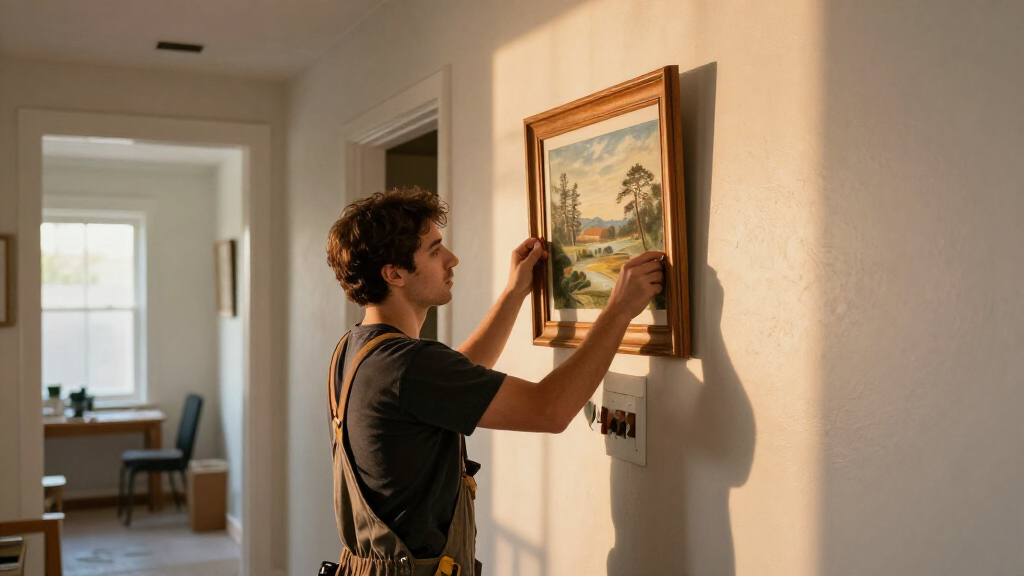
Visible electrical panels can be difficult to disguise when they are located in living rooms, bedrooms, or hallways rather than less prominent areas such as basements. The Hunker report places the wallpaper idea alongside a familiar decorating suggestion: hanging art over a panel. Wallpaper can create a more continuous look with an existing wall treatment, while a small patterned piece can make the cover itself resemble a decorative element.
The report cites social-media DIY examples, including a TikTok user identified as cowapocalypses, who used patterned paper on a painted wall. It does not provide a broader survey of how widely the technique is used or compare its safety or durability with other ways of concealing a panel. Its focus is a low-profile cosmetic update, with accessibility and code checks as limits on the design choice.
wallpaper paste and smoothing tool kit
As an affiliate, we earn on qualifying purchases.
As an affiliate, we earn on qualifying purchases.
Code Rules and Installation Details
The report does not identify a specific jurisdiction, building code, or set of rules governing wallpaper on electrical panel covers. Requirements can differ by location, so its general recommendation to check local codes does not establish that the treatment is permitted everywhere. Readers should verify requirements with the relevant local authority rather than assume the method is allowed.
Hunker also does not report testing the adhesives or wallpaper materials for heat exposure, long-term adhesion, or compatibility with different panel finishes. It offers application suggestions but does not establish that every product or installation method is suitable for every enclosure. The report provides no details about whether particular manufacturers’ instructions address decorative coverings.
wallpaper seam roller and precision trimming knife
As an affiliate, we earn on qualifying purchases.
As an affiliate, we earn on qualifying purchases.
Check the Panel Before Decorating
Before applying wallpaper, homeowners should confirm that local rules allow a covering, identify any labels that must remain visible, and make sure the panel can still be opened without delay. The paper should stay on the exterior and must not prevent the door from closing and sealing properly. If the work would require opening or altering the electrical enclosure, homeowners should not treat it as a routine decorating task; they should consult a licensed electrician.
The report does not announce a new product, code change, or formal safety guidance. For now, the development is a shared home-design technique rather than a change to electrical-panel standards. Any broader guidance would depend on local authorities, product instructions, and qualified electrical professionals.
electrical panel door decorative wallpaper cover
As an affiliate, we earn on qualifying purchases.
As an affiliate, we earn on qualifying purchases.
Key Questions
What is the wallpaper method for hiding an electrical panel?
It involves applying wallpaper to the outside of the closed panel door, either to match a wallpapered room or to create a small decorative feature on a painted wall. The covering should not extend inside the enclosure.
Can wallpaper cover the panel handle?
The Hunker report describes cutting around the handle so the panel remains easy to identify and open. Keeping the handle visible supports quick access.
Is it safe to wallpaper an electrical panel?
The report says to keep the panel accessible, preserve the door’s ability to close and seal, and keep material away from the inside of the box. It also advises checking local code requirements; the report does not certify particular products or installations as safe for every panel.
Can wallpaper hide labels on the panel cover?
Hunker advises against covering any necessary exterior labels. Keep information that may be needed to identify or operate the panel visible and readable.
Should a homeowner open the electrical box to apply wallpaper?
The described approach focuses on the outside of the cover. If a project would require opening or altering the electrical enclosure, consult a licensed electrician rather than treating it as ordinary wallpaper installation.
Source: rss
Fall Picks
fall essentials
As an affiliate, we earn on qualifying purchases.