
TL;DR

Get backup power and energy gear delivered free with Prime
- Fast, free delivery on millions of items
- Prime Video, Amazon Music and more included
- Member-only deals all year
Hunker reports that riding lawn mowers should be prepared for storage when mowing stops for the season, even in areas with mild winters. Battery care and fuel management are priority steps; the right procedure can depend on the mower and its manufacturer instructions.
Riding lawn mowers should be prepared for seasonal storage when mowing ends, according to a Hunker report, which identifies battery maintenance and fuel management as priority steps. The advice applies beyond regions with hard freezes: prolonged inactivity can also leave fuel systems vulnerable to deterioration and corrosion, the report says.
The report describes winterization as fall maintenance intended to leave a mower ready for the next mowing season. It says the work can take about one or two hours, though the required tasks vary by machine. Storing the mower under cover helps limit exposure to snow, ice and moisture, which the report links to possible damage to plastic, electrical and metal components.
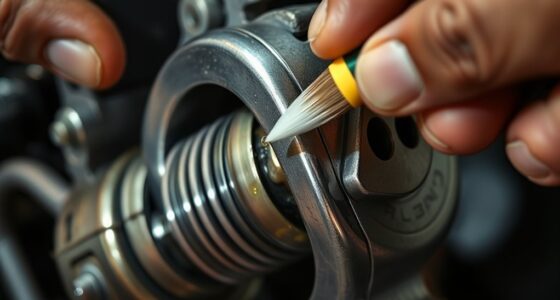
For the battery, Hunker advises disconnecting it during storage, checking the terminals for corrosion and cleaning any buildup with a metal brush or a product designed for battery terminals. It also recommends wiping the battery and keeping it in a cool, dry place. Owners should consult the mower’s manual for the correct removal, storage and reconnection procedure for their model.
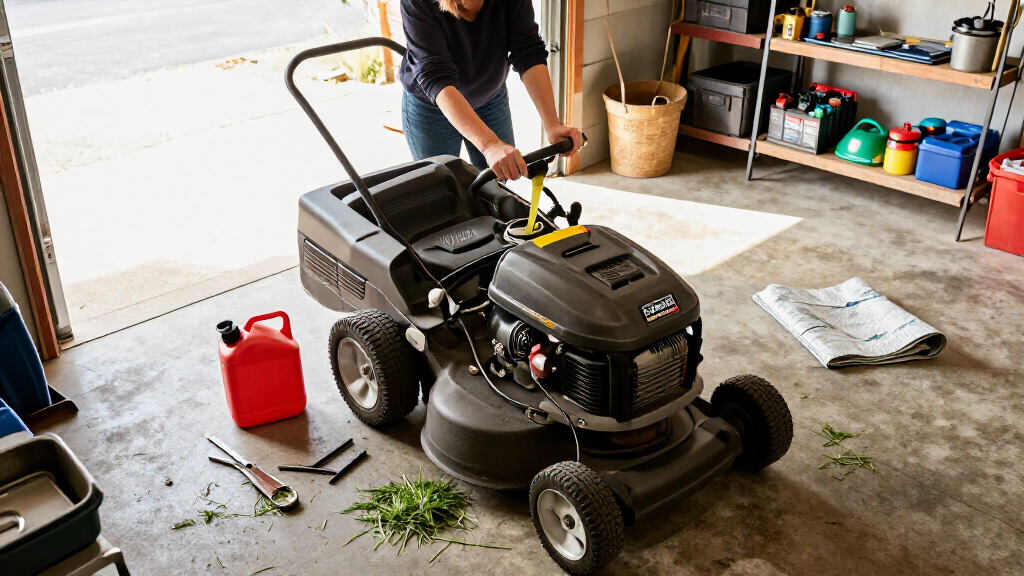
Fuel requires separate attention. The report says gasoline can begin to break down after roughly a month, while ethanol-blended fuel can absorb moisture. It describes adding fuel stabilizer to the tank as one option, or draining remaining fuel after the last mowing session as another. Draining can leave deposits that may require carburetor cleaning, the report cautions. These are source-reported recommendations, not a substitute for the manufacturer’s instructions.
Storage Choices Affect Spring Readiness
Seasonal storage leaves a mower unused for months, so neglected fuel and battery care may contribute to starting or maintenance problems when mowing resumes. Preparing the machine before putting it away can reduce avoidable wear and the chance of a larger repair, although the report does not quantify likely costs or guarantee that winterization prevents all failures.
Protection from precipitation and accumulated snow also matters. Hunker says snow and ice can expose parts to moisture and weight; it describes possible effects on the deck, chute, wheels and alignment. Keeping the mower in a suitable covered storage area and following model-specific storage guidance can help owners limit those risks.
Products Worth Considering

DREAME A3 AWD 1000 LiDAR Robot Lawn Mower

Roborock RockNeo Q110H Wire-Free Robot Lawn Mower

Dyson Airwrap i.d. Multi-Styler for Straight and Wavy Hair
As an affiliate, we earn on qualifying purchases.
Why Idle Mowers Need Attention
The report frames winterization around the end of regular mowing rather than a single calendar date: the appropriate time is when the owner stops mowing for winter. Cold-weather exposure is one concern, but the guidance also applies to warmer areas because a mower left unused can still develop fuel-related problems.
Hunker’s article includes product examples for battery cleaning and fuel stabilization, but those mentions do not establish that a particular brand is required. Its central guidance is to address the battery and fuel before storage and to protect the mower from weather. Owners should check the manual, since procedures and recommendations can differ across mower models and engines.
““The time to tackle this task” is when you stop mowing your lawn for winter.”
— Hunker report
Model-Specific Steps Still Matter
The report does not provide instructions for every mower make, model or engine type, nor does it establish that the same fuel procedure suits all machines. Whether to stabilize fuel or drain it, and how to handle the battery, should be checked against the owner’s manual. The source also does not quantify the likelihood or repair cost of the damage it describes, and it does not claim that winterization eliminates all storage-related problems.
Prepare Before Putting It Away
Owners can begin when the season’s last mowing is finished: consult the mower manual, address the battery and fuel according to its instructions, and store the machine in a covered, dry location where possible. Before using it again in spring, inspect the mower and follow the manufacturer’s startup and maintenance guidance. The report does not identify a single procedure for every mower, so model-specific directions remain the next step.
Key Questions
Do riding lawn mowers need winterizing?
Hunker’s report says seasonal preparation is advisable before a mower is left unused for winter. It cites fuel and battery care among the main reasons, including in areas with mild winters.
When should I winterize a riding mower?
The report recommends doing it when you stop mowing for the season. Check the owner’s manual for timing and model-specific storage instructions.
What are the priority winter storage tasks?
The report highlights battery maintenance and fuel management. It also recommends protecting the mower from snow, ice and moisture; the exact steps depend on the machine.
Should I stabilize the fuel or drain it?
Hunker describes both adding fuel stabilizer and removing remaining fuel as options. Draining may mean cleaning deposits from the carburetor later, so follow the procedure in your mower’s manual.
Does winterization matter in a mild climate?
According to the report, yes. Long periods without use can cause fuel and corrosion issues even when freezing temperatures are not a concern.
Source: rss