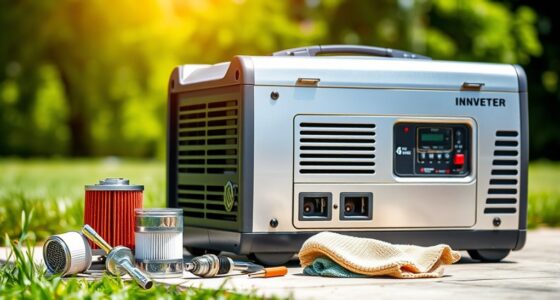
TL;DR
Generator oil generally should be changed after about 100 hours of operation or at least once a year. New engines may need an early oil change, and frequent use, small oil capacity, temperature extremes or dusty conditions can shorten the interval; the generator’s manual is the final guide.
Generator oil typically needs changing every 100 hours of operation or at least once a year, according to maintenance guidance published by Hunker. The interval can be shorter for a new generator, a small engine or a machine used heavily, so owners should check their model’s manual rather than rely on one schedule for every generator.

Get backup power and energy gear delivered free with Prime
- Fast, free delivery on millions of items
- Prime Video, Amazon Music and more included
- Member-only deals all year
For a new generator, the guidance says an initial oil change may be due after as little as five hours of use. That early service is intended to help flush out potential contaminants or small metal particles left from manufacturing or shipping. The exact break-in requirement depends on the generator, making the manufacturer’s instructions the best reference before servicing it.
After that initial period, generators run often or for long stretches may need oil changes every 50 to 100 operating hours, rather than waiting for an annual service. Smaller engines may call for changes every 20 to 50 hours, according to the guidance. These are general ranges, not a universal specification; the model’s recommended interval takes precedence.
Oil condition can offer warning signs, but it should not replace scheduled maintenance. The guidance identifies dark, thick oil, a burning smell, unusual operating noises, or trouble starting and staying on as signs that an owner should check the generator. Low or dirty oil can contribute to overheating and internal damage. Check the oil level and service schedule using the manual, and do not continue running a generator if it appears to have an oil-related problem.
How Long Does Generator Oil Usually Last?
Oil-change timing depends on runtime, engine size, and conditions. Follow the generator’s manual for the schedule that fits your model.
Typical service intervals
General ranges vary with the engine and how the generator is used.
| Use or engine | Guidance |
|---|---|
| Routine use | About 100 hours or annually |
| Frequent or extended use | Every 50 to 100 hours |
| Some smaller engines | Every 20 to 50 hours |
What can shorten oil life?
These factors can bring service forward, so track runtime as well as the calendar.
Heavy operation
Repeated or long runs can reach the service point before the annual reminder.
Small oil capacity
Smaller engines may need more frequent changes.
Heat, cold, and dust
Temperature extremes and dusty surroundings can affect oil.
A practical maintenance routine
Find the model’s break-in and routine service schedule.
Track operating hours and check oil level as directed.
Service the generator before an outage, using the specified runtime or calendar interval.
Oil Changes Help Protect Generator Engines
Keeping oil clean and at the proper level helps lubricate moving metal components and reduce friction and heat. Oil also helps limit corrosion. If it becomes too dirty or the level falls too low, the engine may overheat or suffer damage, potentially leading to costly repairs or replacement.
The practical impact of the interval is greatest for people who depend on a generator during outages. A unit that sits idle most of the year may still need annual attention, while one used for repeated or extended runs can reach its hour-based service point much sooner. A simple operating-hours log and a reminder to check the manual can help owners avoid treating the calendar as the only measure of maintenance.
Oil-change schedules also affect planning: owners need to know what service their generator requires before a storm or other outage, not only after the machine has been running for hours. The guidance does not set out a full maintenance checklist, but it makes clear that oil level, condition and operating time all matter. Regular checks can flag a problem before the generator is needed for essential backup power.
Products Worth Considering

Hisense 43-Inch E6 Cinema Series Hi-QLED 4K UHD Smart Fire TV (43E6QF)

Philips Hue Play HDMI Sync Box

LEVOIT Vital 200S-P Smart Air Purifier for Large Rooms, White
As an affiliate, we earn on qualifying purchases.
Why Generator Oil Intervals Differ
The recommended interval is a range because oil life depends on how long and how often the generator runs, as well as its engine and operating environment. Extended use can degrade oil faster than occasional operation. Extreme heat and freezing temperatures can affect its viscosity, while dusty or dirty surroundings can contaminate it.
Engine size and oil capacity also matter. A smaller reservoir holds less oil and may require more frequent attention than a larger generator’s capacity. Portable generators often have smaller oil capacities than standby units, but size alone does not determine the correct schedule. Manufacturers specify intervals for particular models and conditions, so owners should follow those instructions where they differ from general guidance.
For many owners, an annual calendar reminder is a useful baseline for a generator that sees little use. It is not a substitute for tracking operating hours, checking oil levels or consulting the manual. A generator used repeatedly through a long outage may need service before the annual date arrives; a newly purchased unit may have a separate break-in schedule.
Exact Timing Depends on the Model
The general intervals do not identify a specific generator model, oil type, climate or duty cycle. The guidance therefore cannot establish the exact service interval for an individual machine. It also does not specify how much a particular temperature or level of dust shortens oil life.
Owners should treat the figures as broad guidance and verify the break-in and routine schedules in their manufacturer’s manual. Warning signs such as dark, thick oil or unusual noises can prompt an inspection, but the available information does not provide a diagnostic test for determining oil condition or establish that any one symptom proves an oil problem. If a generator is difficult to start or keep running, further checks may be needed.
Check the Manual and Track Runtime
Owners can start by finding the generator’s service schedule and noting any first-change requirement. They can then record operating hours, check oil level as directed, and plan changes based on whichever comes first: the specified runtime or calendar interval. For a new unit, follow its break-in instructions before relying on it for extended use.
Before the next outage, check that routine maintenance is current and that the generator starts and runs properly. If the oil looks unusually dark or thick, or the unit produces a burning smell or unfamiliar noises, consult the manual and arrange appropriate service rather than assuming it can safely continue running.
Source: rss
Key Questions
How often should generator oil usually be changed?
A general guideline is every 100 operating hours or at least once a year. Check the manual, since the schedule varies by model and use.
Does a new generator need an early oil change?
It may. The guidance says some new generators need an initial change after as little as five hours to help remove possible manufacturing or shipping residue. Follow the break-in schedule in the manual.
How often should oil be changed in a generator used heavily?
Frequent or extended operation may call for changes every 50 to 100 hours. Some smaller engines may need changes every 20 to 50 hours; the manufacturer’s interval is the relevant one for a specific unit.
What are signs generator oil may need attention?
Dark, thick oil, a burning smell, unusual noises, or difficulty starting and staying running are warning signs listed in the guidance. Check the manual and investigate the cause rather than treating a symptom as a definitive diagnosis.
Source: hunker.com