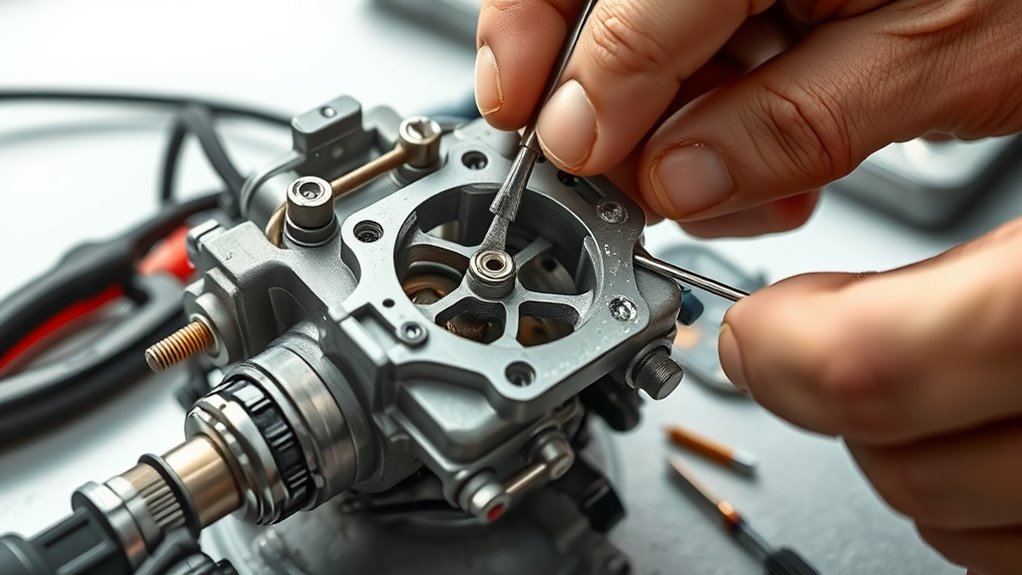

To prevent clogs and hard starts, regularly clean your carburetor by disconnecting the fuel line, draining any remaining gas, and removing it carefully. Spray all passages, jets, and the float bowl with carb cleaner to clear out varnish and debris that can block fuel flow. Make sure everything is reassembled properly. Consistent maintenance helps keep your engine running smoothly and ensures easy starts every time; continue close attention to these steps to keep your engine in top shape.
Key Takeaways
- Regularly remove and clean the carburetor to prevent dirt and varnish buildup that cause clogs.
- Use carburetor cleaner spray to clear all passages, jets, and float bowl of debris and deposits.
- Drain residual fuel before cleaning to avoid spills and ensure thorough cleaning.
- Reassemble carefully, ensuring all parts are properly seated to prevent future blockages.
- Adjust idle and mixture screws after cleaning to optimize engine performance and prevent hard starts.
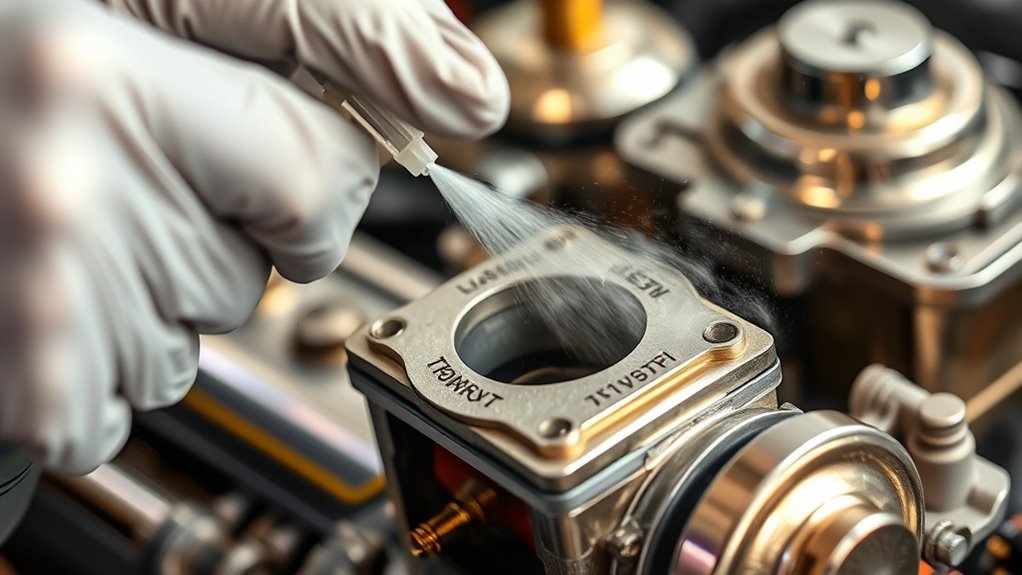
A clean carburetor is essential for your engine to run smoothly and efficiently. When dirt, varnish, or debris clog the small passages inside, it disrupts the fuel mixture, leading to poor performance, hard starts, and even engine stalling. Regular cleaning helps maintain ideal airflow and fuel delivery, ensuring your engine operates at its best. One of the key aspects of carburetor maintenance is managing the fuel mixture. If the mixture is too rich (too much fuel), your engine might sputter or stall, while a lean mixture (not enough fuel) can cause hesitation or overheating. Keeping the carburetor clean ensures the fuel mixture remains balanced, providing smooth acceleration and reliable starts.
Another critical part of carburetor upkeep involves proper idle adjustment. Your engine’s idle speed depends heavily on the carburetor’s ability to deliver the right amount of fuel at low RPMs. If the idle is too high or too low, your engine can stall or run unevenly. When cleaning the carburetor, you should also check and adjust the idle screw to set the engine’s idle speed accurately. This adjustment helps in maintaining a consistent idle, preventing rough running or stalling when you come to a stop. It’s a simple step but impactful in ensuring your engine runs smoothly during low-speed operation.
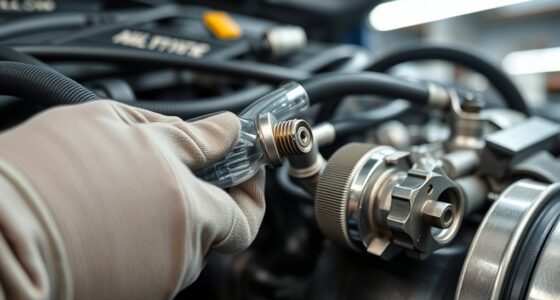
To effectively clean your carburetor, start by disconnecting the fuel line and draining any remaining gas. Remove the carburetor from your engine, and carefully disassemble it, noting the placement of jets and screws. Use carburetor cleaner to spray inside every passage, paying special attention to the jets, float bowl, and choke. You want to clear out any varnish or deposits that could restrict fuel flow. When reassembling, double-check that all parts are properly seated and that no debris remains. Proper carburetor tuning is crucial for optimal engine performance and efficiency.
Once reinstalled, you’ll need to fine-tune the fuel mixture and idle adjustment. Turn the idle screw slowly until the engine runs smoothly at the desired RPM. Adjust the mixture screws to find the perfect balance between fuel and air—this may require some trial and error. A properly cleaned and adjusted carburetor not only improves starting and acceleration but also extends the life of your engine by preventing uneven fuel delivery. Regular maintenance, including cleaning and adjusting the idle and fuel mixture, keeps your engine responsive and reliable, saving you time and money in the long run.
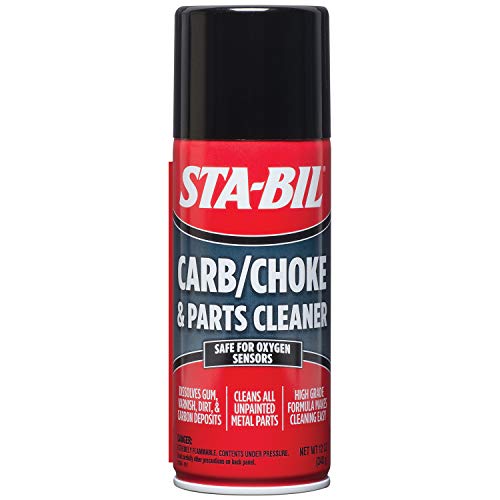
STA-BIL Carb/Choke & Parts Cleaner – Safe For Oxygen Sensors – Dissolves Gum, Varnish, Dirt, & Carbon Deposits – Cleans unpainted Metal Parts – High Grade Formula, 12.5 oz (22005)
Quickly cleans and dissolves gum, varnish, dirt, lead, and carbon deposits, aiding in faster starts and smooth idling
As an affiliate, we earn on qualifying purchases.
As an affiliate, we earn on qualifying purchases.
Frequently Asked Questions
How Often Should I Clean My Carburetor?
You should clean your carburetor every 100 hours of use or at least once a year, depending on your equipment’s conditions. Regular carburetor maintenance helps prevent clogs and hard starts, especially if you notice performance issues. If you use your equipment in dusty or humid environments, consider cleaning the carburetor more frequently. Staying on top of cleaning frequency guarantees smooth operation and extends your equipment’s lifespan.
Can I Clean the Carburetor Without Removing It?
Sure, you can attempt DIY cleaning methods without carburetor removal, but don’t expect miracles. Trying to clean a carburetor without removing it is like doing brain surgery with a butter knife—possible, but not recommended. For best results, carburetor removal guarantees thorough cleaning and prevents damaging parts. Skip this step, and you risk incomplete cleaning, leading to future clogs and hard starts. Trust me, your engine deserves better.
What Tools Are Needed for Carburetor Cleaning?
To clean your carburetor, you’ll need basic carburetor tools like screwdrivers, pliers, and a small brush. You should also have cleaning solutions such as carburetor cleaner spray and a container for soaking parts. These tools help disassemble and scrub the carburetor effectively, removing debris and buildup. Make sure to work in a well-ventilated area, and wear gloves to protect your skin from harsh chemicals.
How Do I Identify a Clogged Carburetor?
Think of your engine as a singer struggling to hit the high notes; a clogged carburetor mutes its song. You’ll notice trouble starting, rough idling, or inconsistent engine performance. Check the fuel mixture and idle adjustment—if they’re off, it’s a sign of a clog. Gunky buildup blocks airflow and fuel flow, causing these issues. Cleaning the carburetor restores harmony, ensuring smooth starts and a balanced fuel mixture.
Is It Safe to Use DIY Cleaning Solutions?
Using homemade remedies or chemical cleaners for your carburetor can be risky. While DIY solutions might seem convenient, they may damage components or leave residues that cause more clogging. It’s safer to use products specifically designed for carburetor cleaning, following manufacturer instructions. If you choose homemade remedies, research thoroughly and proceed cautiously. When in doubt, consulting a professional ensures your carburetor stays in good shape and functions properly.

Carburetor Kit for Most Carburetor Bowl Chamber Float Pin Gasket Seal Needle Carburetor Repair and Rebuild Accessories and Parts Electric Start Kit for GX240 GX270 GX340 GX390 and More
Package Contents: You will receive a set of carburetor kit, including 1 carburetor chamber bowl, 1 carburetor bowl…
As an affiliate, we earn on qualifying purchases.
As an affiliate, we earn on qualifying purchases.
Conclusion
Think of your carburetor as the heart of your engine’s garden. When it’s clogged, weeds take over, choking the life out of your mower. But with regular cleaning, you’re like a diligent gardener, clearing away debris and letting fresh air and fuel flow freely. Keep it healthy, and your engine will bloom with reliable starts and smooth runs. A little maintenance now keeps your machine thriving season after season.

AUPREX 7PCS AC Fuel Line Disconnect Tool Set for Most Ford/GM/Chrysler/Mazda,Includes 1/4 5/16 3/8 1/2 5/8 3/4 7/8 Inch Transmission Oil Cooler Line Quick Disconnect Kit Fuel Line Removal Tool
FUNCTIONS: The Oil Cooler Line Quick Disconnect Kit provides 7 different sizes tool to remove/disconnect fittings on fuel…
As an affiliate, we earn on qualifying purchases.
As an affiliate, we earn on qualifying purchases.

Hippotech Pack of 10 Carburetor Adjustment Tool Screwdriver Kit for Most 2-Cycle Small Engine Trimmers, Chainsaws, and Leaf Blowers
Wide Compatibility: This carburetor tool set is compatible with a wide range of small engine equipment from major…
As an affiliate, we earn on qualifying purchases.
As an affiliate, we earn on qualifying purchases.