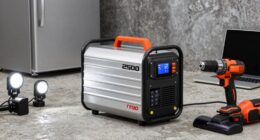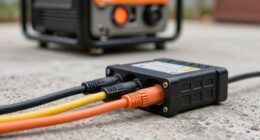
To replace your generator’s muffler and spark arrestor, start by disconnecting the generator and allowing it to cool down. Loosen and remove the mounting bolts, then carefully take out the old muffler and arrestor. Inspect for damage or carbon buildup, and clean or replace parts as needed. Install new parts securely, ensuring all connections are tight. For detailed steps and tips, there’s more to discover that can help you complete the job safely and effectively.
Key Takeaways
- Disconnect the generator from power, allow it to cool, and wear protective gear before beginning removal.
- Loosen mounting bolts, then carefully remove the muffler and inspect for damage or carbon buildup.
- Access and clean or replace the spark arrestor inside the muffler to ensure proper exhaust flow.
- Install new or cleaned parts, applying anti-seize or thread lock, and tighten bolts without overtightening.
- Reconnect the generator, test for proper operation, and check for exhaust leaks or abnormal noise.
If your generator is producing more noise than usual or emitting excessive smoke, it’s likely time to replace the muffler and spark arrestor. These components play a critical role in reducing noise and controlling emissions, so neglecting them can lead to decreased efficiency, increased pollution, and potential safety hazards. Before you start, it’s essential to follow proper maintenance tips and safety precautions to ensure the process is safe and effective.
First, always disconnect the generator from any power source and allow it to cool down completely. Handling hot or live parts can cause burns or electrical shock. Wear protective gear, such as gloves and safety glasses, to shield yourself from sharp edges or debris. Before removing the old muffler and spark arrestor, consult your generator’s user manual for specific instructions and torque specifications. This helps prevent damage to other parts and ensures you’re working correctly.
Always disconnect and cool your generator before maintenance to prevent burns and electrical shock. Wear protective gear for safety.
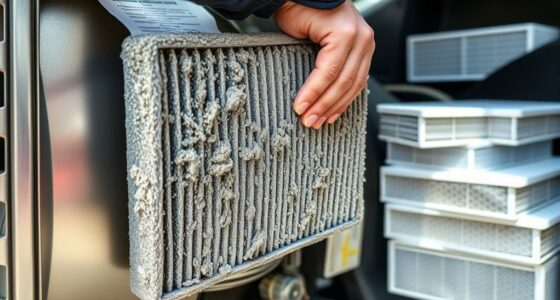
When removing the muffler, carefully loosen the mounting bolts or clamps. You might find carbon build-up or rust, so take your time and use appropriate tools to avoid damaging the mounting points. Once removed, inspect the existing muffler for cracks, holes, or excessive carbon deposits, which indicate it’s time for a replacement. The spark arrestor, typically located inside the muffler, can be accessed by removing the spark arrestor screen or plug. Clean it thoroughly if it’s just clogged, but replace it if it’s damaged or excessively corroded.
When installing the new muffler and spark arrestor, ensure you use compatible parts designed for your generator model. Apply anti-seize compound or thread lock as recommended to prevent bolts from loosening over time. Tighten everything securely, but avoid overtightening, which can crack the components. After installation, double-check all connections for stability.
Performing routine maintenance tips, such as inspecting these parts regularly, can extend their lifespan and improve your generator’s performance. Remember, safety precautions are not just about protecting yourself during installation but also about ensuring your generator runs safely afterward. An improperly installed muffler or spark arrestor can lead to exhaust leaks, increased noise, or even fire hazards. Additionally, paying attention to air quality and ensuring proper ventilation can prevent harmful buildup of emissions.
Finally, test your generator once everything is reassembled. Listen for abnormal sounds or excessive smoke, which could indicate a problem. Regularly replacing the muffler and spark arrestor not only keeps your generator running smoothly but also helps avoid costly repairs down the line. By adhering to proper maintenance tips and safety precautions, you ensure your generator remains a reliable source of power while keeping yourself safe during every step of the process.

Generator Exhaust Extension Silencer Kit with Three Universal Adapters Compatible ALL Portable Generators with ALL-IN-ONE KIT,Insulated Through-Wall Mounting Plate Safely Vent Exhaust Reduce Noise 55%
【ENHANCED COMPATIBILITY & CUSTOM FIT】Our upgraded generator exhaust extension kit is designed to fit most makes and models…
As an affiliate, we earn on qualifying purchases.
As an affiliate, we earn on qualifying purchases.
Frequently Asked Questions
How Often Should I Replace the Muffler and Spark Arrestor?
You should replace the muffler and spark arrestor every 2 to 3 years as part of your maintenance schedule. Regular replacements help prevent buildup and guarantee peak performance. Neglecting this can increase emissions, negatively impacting the environment. Keep an eye on signs of damage or clogging, and replace promptly to maintain efficiency and reduce environmental impact, ensuring your generator runs smoothly and responsibly over time.
Can I Use Aftermarket Parts for Replacement?
Did you know that 65% of users choose aftermarket parts for cost savings? Yes, you can use aftermarket parts for replacement, but check their compatibility carefully. Not all aftermarket options match OEM standards, so do a brand comparison first. Confirm the aftermarket compatibility with your generator model to avoid performance issues or voiding warranties. When in doubt, consult your generator’s manual or a professional to make the best choice.
What Safety Precautions Are Necessary During Replacement?
You should wear protective gear like gloves and goggles to prevent injuries during replacement. Make certain proper ventilation procedures by working outdoors or in a well-ventilated area to avoid inhaling fumes from the muffler or spark arrestor. Turn off the generator and disconnect the spark plug to prevent accidental starting. Always follow manufacturer instructions and use the correct tools to keep yourself safe throughout the process.
How Do I Identify if My Muffler or Arrestor Is Damaged?
Imagine a whisper turning into a harsh shout—that’s how you’ll notice damage. With a visual inspection, look for cracks, holes, or soot buildup on your muffler or arrestor. If the noise levels increase or sound abnormal, it’s a sign they’re compromised. You might also see rust or corrosion. Address these signs promptly to prevent engine issues and make certain your generator runs smoothly and safely.
Will Replacing These Parts Improve My Generator’s Performance?
Replacing your generator’s muffler and spark arrestor can improve performance by reducing engine noise and enhancing fuel efficiency. When these parts are damaged or clogged, your engine works harder, leading to louder noise and increased fuel consumption. By installing new components, you allow your generator to run more smoothly, quietly, and efficiently, helping you save fuel and enjoy quieter operation. It’s a simple fix with noticeable benefits.

Honda OEM 18355-Z44-A30 Generator Spark Arrester EB2200IT EU2200IT
Genuine, OEM Honda Replacement Part
As an affiliate, we earn on qualifying purchases.
As an affiliate, we earn on qualifying purchases.
Conclusion
Replacing the generator muffler and spark arrestor guarantees your unit runs smoothly, reduces emissions, and keeps your environment safe. It restores performance, prolongs lifespan, and prevents costly repairs. By maintaining these components, you protect your generator, enhance efficiency, and stay prepared for any power needs. Regular checks, timely replacements, and proper maintenance keep your generator reliable, safe, and ready to serve you whenever you need it most. Keep it maintained, keep it running, and keep it dependable.
Generator Exhaust Extension Silencer Kit with Three Universal Adapters Compatible ALL Portable Generators with ALL-IN-ONE KIT,Insulated Through-Wall Mounting Plate Safely Vent Exhaust Reduce Noise 55%
【ENHANCED COMPATIBILITY & CUSTOM FIT】Our upgraded generator exhaust extension kit is designed to fit most makes and models…
As an affiliate, we earn on qualifying purchases.
As an affiliate, we earn on qualifying purchases.
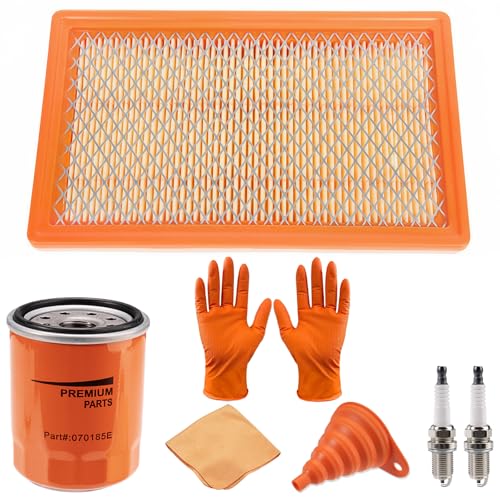
Hearthhub 0E9371AS Air Filter Maintenance Kit -Compatible with (2013 +) Generator V-Twin/8kW/11kW Evolution Series – Generator Oil Change Replacement Parts Maintenance Service Filter Kit
Generator Oil Change Kit: Air filter fits 0E9371AS, 0E9371, 0E9371A – no extra adjustments for quick installation. High-quality…
As an affiliate, we earn on qualifying purchases.
As an affiliate, we earn on qualifying purchases.