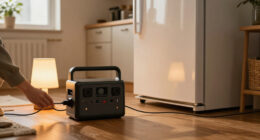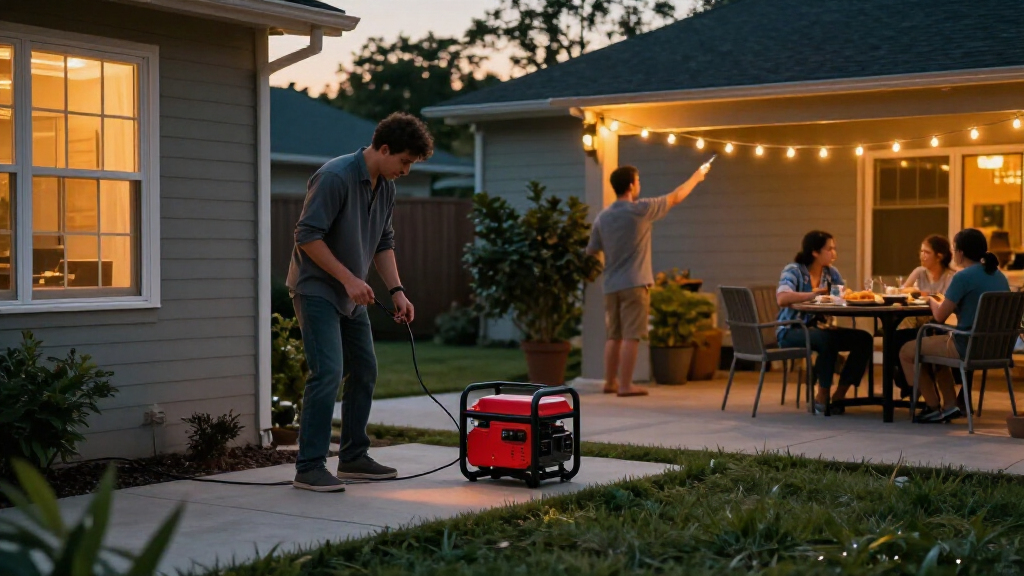

Choosing a portable inverter generator for backup power comes down to how much equipment you need to run at once and how much generator you can comfortably store, move, and maintain. A compact 2,000-watt model is generally easier to lift and costs less; a mid-size 3,500-watt model offers more capacity for refrigerators, pumps, or several devices running together. Neither rating alone guarantees that a unit will start a particular appliance, so check both running watts and startup requirements before buying.

Get backup power and energy gear delivered free with Prime
- Fast, free delivery on millions of items
- Prime Video, Amazon Music and more included
- Member-only deals all year

WEN DF680iX 6800-Watt Dual-Fuel Portable Inverter Generator
- ✔ Gasoline output: 6,800 surge watts; 5,100 rated watts
- ✔ Propane output: 6,000 surge watts; 4,500 rated watts
- ✔ Fuel: Gasoline or propane

PowerSmart 3800 Watt Portable Inverter Generator
- ✔ Starting wattage: 3,800 watts
- ✔ Running wattage: 3,200 watts
- ✔ Fuel and engine: Gasoline; 143 cc 4-stroke

Oxseryn 4400-Watt Gas-Powered Inverter Generator
- ✔ Starting wattage: 4,400 watts
- ✔ Running wattage: 3,400 watts
- ✔ Fuel and engine: Gasoline; 208 cc 4-stroke
For a short outage, a small generator may keep phones, lights, a router, and a refrigerator going through careful load management. If you want to power more of the household, or an appliance with a demanding motor, the larger model is usually the more practical choice. The tradeoff is more fuel use, weight, noise, and storage space. These generators can provide useful backup for selected appliances, but they do not replace a whole-home standby system.
At a Glance
| Criteria | Compact 2,000-watt portable inverter generator | Mid-size 3,500-watt portable inverter generator | Winner |
|---|---|---|---|
| Running capacity | Typically around 1,600–2,000 running watts; verify the model’s rated output. | Typically around 3,000–3,500 running watts; check the rating rather than the class label. | B |
| Startup surge | Often roughly 2,000–2,500 starting watts, depending on the model. | Often around 3,500–4,500 starting watts, model dependent. | B |
| Portability and storage | Usually lighter and easier for one person to move or store. | Heavier and bulkier; wheels or a second person may be useful. | A |
| Fuel use and runtime | Often uses less fuel under a comparable light load; runtime depends on tank size and load. | Can consume more fuel at higher output; tank size and load determine refueling intervals. | Depends |
| Noise and placement | Usually easier to place farther from living areas, though outdoor clearance is still required. | More demanding to place and may be louder, though exact noise varies by model and load. | A |
| Purchase value | Lower upfront cost suits essential loads and occasional outages. | Higher price buys extra capacity when the household can use it. | Depends |
| Backup setup | Can serve a small set of devices; connection method and circuit limits still matter. | Can support more selected loads, but safe transfer equipment and household wiring remain necessary. | B |
WEN DF680iX 6800-Watt Dual-Fuel Portable Inverter Generator
For households that want one portable inverter generator to cover a broader set of essential loads, the WEN DF680iX is the most capable option in this group. On gasoline it is rated for 5,100 watts, with a 6,800-watt surge rating; propane output is lower at 4,500 rated and 6,000 surge watts. That is a substantial step up from the PowerSmart’s 3,200 running watts and the Oxseryn’s 3,400, giving us more room to plan around appliance startup demands. Its 120/240V L14-30R outlet also supports compatible transfer equipment, though buyers need to confirm their setup and have a qualified electrician handle any home connection.Fuel choice is a practical advantage during an outage. We can run gasoline or propane, and the listing gives up to 6.1 hours at half load on gasoline or up to 9 hours at half load on a 20-pound propane tank. Those are not continuous-use promises for every load, but propane can be useful when stored gasoline is limited. The generator also specifies under 1.2% THD at full load, which is the clearest power-quality claim here; PowerSmart states under 3%, while Oxseryn gives no THD figure.The tradeoff is scale. At 224 cc, with wheels and a telescoping handle, the WEN is designed to roll rather than be carried like the 47-pound PowerSmart. Its 2.9-gallon tank still means monitoring fuel during sustained gasoline operation. Electric start, recoil backup, CO shutdown, and low-oil and low-fuel shutdown add useful operational safeguards, but do not remove the need for outdoor placement and attentive operation. Choose it when output headroom and dual-fuel flexibility outweigh compactness; skip it if light weight and easy lifting matter most.
Pros:
- Higher rated output than the other two models: 5,100 watts on gasoline and 4,500 on propane.
- Runs on gasoline or propane, giving us more fuel-planning options during outages.
- Lists 120/240V output, electric start with recoil backup, and several useful protection features.
- Specifies THD below 1.2% at full load for electronics-conscious buyers.
Cons:
- Larger engine and wheeled format are less convenient to lift and carry than the 47-pound PowerSmart.
- Gasoline runtime is listed as up to 6.1 hours at half load, so extended operation requires fuel planning.
- The listing describes Level 2 EV charging as low-power, and the parallel kit is sold separately.
Best for: Households seeking a higher-output portable generator with gasoline and propane options, 120/240V capability, and documented low distortion for compatible sensitive electronics.
Not ideal for: Buyers who need a genuinely lightweight unit to lift into a vehicle, or those whose essential loads fit comfortably within a smaller generator’s capacity.
Bottom line: Choose the WEN when backup flexibility and greater output matter more than a compact, carryable form.
“Choose the WEN when backup flexibility and greater output matter more than a compact, carryable form.”
PowerSmart 3800 Watt Portable Inverter Generator
When we may need to move a generator without a cart or lift it into a vehicle, the PowerSmart 3800 makes the strongest case. At 47 pounds, it is 9 pounds lighter than the Oxseryn and has a much smaller footprint than the wheeled WEN. Its stated 59 dBA noise level is also the lowest figure among these listings, which may make it easier to place near a home during an outage—while still keeping it outdoors and well away from openings.Its 3,200 running watts can serve a deliberate set of essentials, and the listed 3,800 starting watts provide some surge capacity. The 120V 30A twist-lock, duplex outlets, and dual USB ports offer several ways to connect compatible equipment. PowerSmart also specifies less than 3% THD, a useful documented signal for buyers who plan to power electronics. The WEN provides a lower stated full-load distortion figure and much more output, so it is the better match for larger or more varied loads; the PowerSmart wins on carryability.Portability comes with a runtime compromise. A 1.19-gallon tank is notably smaller than the Oxseryn’s 2 gallons and WEN’s 2.9 gallons, and no runtime figure is provided here. We should expect to monitor fuel closely during longer outages, especially as load rises. It also uses recoil start rather than electric start, which asks for more effort at startup. This is the sensible choice for a small, prioritized backup setup or occasional relocation, not for buyers who need to run many appliances through a long outage without frequent refueling.
Pros:
- Lightest listed model at 47 pounds, making it easier to lift and reposition.
- Lowest stated noise level in this comparison at 59 dBA.
- States less than 3% THD and includes USB, duplex, and 30A twist-lock connections.
- Compact dimensions suit storage where the larger WEN would be cumbersome.
Cons:
- The 1.19-gallon tank is the smallest here, and runtime is not stated.
- Recoil start may be less convenient than the WEN’s electric start.
- Its 3,200 running watts provide less headroom than either competitor.
Best for: People who need a relatively light, compact 120V generator for a limited set of essentials, electronics, or occasional backup use.
Not ideal for: Households planning to support larger loads or extended operation, and anyone who prefers electric start or less frequent refueling.
Bottom line: Pick the PowerSmart when easy carrying and quieter stated operation matter more than runtime and higher load capacity.
“Pick the PowerSmart when easy carrying and quieter stated operation matter more than runtime and higher load capacity.”
Oxseryn 4400-Watt Gas-Powered Inverter Generator
The Oxseryn 4400 sits between the other two on output and weight: its 3,400 running watts edge past the PowerSmart, while its 56-pound weight remains easier to carry than the WEN’s wheeled, higher-output format. Its defining claim is up to 14 hours at 25% load with ECO mode. That figure can help buyers estimate a light-load overnight plan, but it should not be read as a guarantee at heavier loads or as a direct comparison with the WEN’s half-load runtime figures.A fuel gauge and 2-gallon tank make checking and planning fuel simpler than with the PowerSmart, whose tank is smaller and whose runtime is unspecified. The Oxseryn also includes two 120V AC outlets, a 12V DC connection, and an RV port. That mix can suit basic home backup or RV use, provided the loads stay within its output. Compared with the WEN, however, it is gasoline-only and does not list 120/240V output. Buyers wanting dual fuel or the WEN’s higher capacity should look there instead.There are two qualifications for backup use. First, its open-frame construction may be less enclosed than a fully enclosed generator, and the stated noise is under 72 dBA at 23 feet—higher than the figures listed for PowerSmart and WEN. Second, the supplied specifications do not state THD. That leaves less information for anyone prioritizing sensitive electronics; we should confirm the manufacturer’s guidance before connecting such equipment. Oxseryn fits buyers who value a fuel gauge and a stated light-load runtime, but the missing power-quality detail and louder noise claim keep it third overall.
Pros:
- 3,400 running watts provide slightly more capacity than the PowerSmart.
- States up to 14 hours at 25% load with ECO mode and includes a fuel gauge.
- Includes an RV port alongside 120V AC and 12V DC outlets.
- At 56 pounds, it is still portable by comparison with larger wheeled backup units.
Cons:
- Gasoline-only operation offers less fuel flexibility than the WEN.
- Open-frame design and under-72-dBA rating are less appealing for noise-sensitive placement.
- No THD figure is provided in the supplied specifications.
Best for: Buyers who want a mid-capacity gasoline inverter generator with a fuel gauge, RV port, and a stated light-load runtime target.
Not ideal for: People who need dual-fuel capability, 120/240V output, a quieter stated rating, or documented THD for electronics.
Bottom line: Choose the Oxseryn for its stated light-load runtime and practical fuel monitoring, after confirming its power quality suits your equipment.
“Choose the Oxseryn for its stated light-load runtime and practical fuel monitoring, after confirming its power quality suits your equipment.”
As an Amazon Associate we earn from qualifying purchases.
Key Differences
The main practical gap is capacity. A 2,000-watt class unit can be enough for a refrigerator and a few low-draw essentials, provided their combined running demand and startup surges fit within the generator’s limits. A 3,500-watt class unit leaves more room for simultaneous use and is more likely to start a larger motor-driven appliance. It still cannot be assumed to run an entire home, and the specific appliance labels and generator specifications should decide the match.
The smaller option wins when portability, storage, and lower entry cost matter more than running many loads at once. The larger option makes sense when outages are longer, the load list includes pumps or other motors, or the household wants fewer pauses to switch appliances. That extra headroom has costs: more weight, more space, and potentially greater fuel consumption and noise when working hard. Actual runtime and sound levels vary by model, fuel, and load, so compare manufacturer figures under similar conditions.
Either type needs a safe backup plan. Operate gasoline generators outdoors, well away from windows, doors, and vents, and use working carbon monoxide alarms. Never run one in a home, garage, or enclosed space. To power household circuits, use a properly installed transfer switch or other approved connection handled by a qualified electrician; never feed power through a wall outlet. If you only need a few low-draw devices, a battery power station may be quieter and simpler. If you need seamless whole-home backup, consider a professionally sized standby system.
Detailed Comparison
Running capacity (Mid-size 3,500-watt portable inverter generator wins — major)
The 3,500-watt class model wins by a substantial margin: it generally provides room for more appliances to run at the same time. The 2,000-watt class can cover a smaller essentials list, but users may need to rotate loads, such as turning off a microwave before using another high-draw device. The difference is major for households that want several appliances operating together and minor for those powering only lights, communications, and a modest refrigerator load.
Startup surge (Mid-size 3,500-watt portable inverter generator wins — major)
Motor-driven appliances can briefly draw more power when starting than they need once running. The larger generator usually has more surge capacity, so it is a stronger candidate for refrigerators, sump pumps, or similar equipment. This is a moderate to major advantage depending on the appliance: compare its startup watts, not just its normal draw, with the generator’s stated starting watts. If the numbers do not line up, neither class is a safe bet.
Portability and storage (Compact 2,000-watt portable inverter generator wins — major)
The 2,000-watt class generator wins clearly on handling. Its lower weight and smaller footprint make it easier to keep in a shed or vehicle and to reposition when needed. The 3,500-watt class unit may have wheels, but wheels do not remove the need for storage space or help on stairs and uneven ground. This is a major difference for one-person use and a minor one if the generator stays on a level pad with help available.
Fuel use and runtime (moderate difference)
There is no universal winner because runtime depends on the tank, load, and engine design. A compact unit will often use less fuel when supplying a small essentials load. A larger unit can run longer between refills if it has a bigger tank, but it may burn more fuel when producing more power. Treat advertised runtime as a model-specific figure, and compare it at similar loads before deciding how often you are willing to refuel.
Noise and placement (Compact 2,000-watt portable inverter generator wins — moderate)
The smaller unit generally has an easier time fitting into a practical outdoor setup and may be quieter at light loads. Actual noise ratings vary, and either generator can become more noticeable under heavy demand. The difference is moderate: check the rated decibels and the conditions used for that figure, then plan a safe outdoor location that keeps exhaust far from openings. Do not place either unit indoors to reduce noise.
Purchase value (major difference)
The compact model is better value if its capacity covers the loads you have identified; paying for unused output adds weight and cost without improving a small backup plan. The larger model is worth the premium when its extra running and surge capacity prevents repeated load juggling or lets it start equipment the smaller unit cannot. This is a major difference only when your appliance list needs the extra watts. Price comparisons should include any needed cords, transfer equipment, and maintenance supplies.
Backup setup (Mid-size 3,500-watt portable inverter generator wins — moderate)
The larger model has an advantage when you want to serve more selected circuits, but safe connection is a separate requirement for both. Neither should be connected to household wiring with a homemade backfeed cord. A transfer switch or approved interlock must be installed correctly, and generator output must suit the circuits. For a few standalone devices, the compact model may be simpler; for circuit backup, work with an electrician to size the setup.
Compact 2,000-watt portable inverter generator: Pros and Cons
Pros:
- Lighter, smaller, and easier to store.
- Lower upfront cost for a short essentials list.
- Often a better fit for modest loads and occasional use.
Cons:
- Less capacity for simultaneous appliances.
- More likely to struggle with large motor startup demands.
- May require switching appliances on and off to stay within limits.
Mid-size 3,500-watt portable inverter generator: Pros and Cons
Pros:
- More running power for several selected household loads.
- Greater starting capacity for some motor-driven appliances.
- More headroom can reduce load juggling during an outage.
Cons:
- Heavier and takes more storage space.
- Costs more, and the added capacity is wasted if the load list is small.
- Can use more fuel at higher output and may be harder to place conveniently.
Who Should Choose What
Choose Compact 2,000-watt portable inverter generator if:
- You mainly need lights, communications, a refrigerator, and a few other low-draw essentials.
- You need one person to move and store the generator.
- You want to limit upfront cost and can manage which appliances run together.
Choose Mid-size 3,500-watt portable inverter generator if:
- Your planned loads include several appliances or equipment with meaningful startup surges.
- You want more flexibility to run selected household loads at the same time.
- You have the storage space and budget, and the extra rated output matches a real appliance need.
Skip both if: Choose a battery power station for quiet, low-draw indoor use, or a professionally sized standby generator if you need automatic whole-home backup.
Value for Money
Pay more for the 3,500-watt class only when you can name the loads that need its extra running or starting capacity. For a refrigerator, lights, phones, and a router used in a planned sequence, the smaller unit can deliver better value and is easier to handle. For a pump, multiple appliances running together, or more flexibility during longer outages, the larger generator’s premium can be justified by usable capacity rather than by its size alone.
Compare complete setup costs, not just the generator price. A safe connection to home circuits may require professional transfer equipment, and both options need suitable fuel storage, routine maintenance, and outdoor operating space. Check the exact model’s watt ratings, runtime claims, noise level, weight, and service support. A lower purchase price is not a bargain if the generator cannot start the equipment you bought it to back up.
Final Verdict
For most people who need portable backup for a short list of essentials, the compact 2,000-watt class generator is the better starting point: it costs less, is easier to move, and can cover modest loads when used carefully. Choose the 3,500-watt class generator if your outage plan includes several appliances at once or a motor-driven load whose startup demand exceeds the smaller model’s rating. The deciding factor is your measured load list, including startup watts—not the number of outlets or a broad claim that a generator is suitable for home backup. If your goal is whole-home coverage or automatic switching, choose a properly sized standby system instead.
Frequently Asked Questions
Can a 2,000-watt portable inverter generator run a refrigerator?
Often, but it depends on the refrigerator’s running draw and startup surge and on what else is connected. Check the appliance label or manual and compare both figures with the generator’s rated and starting watts. Leave headroom for other loads.
Is a 3,500-watt generator enough for an entire house?
Usually not for unrestricted whole-house use. It may power selected appliances or circuits when the loads are sized and managed, but central air conditioning, electric ranges, water heaters, and other large loads can exceed its capacity. Have a qualified electrician assess a circuit backup setup.
Does an inverter generator make backup power safe indoors?
No. Inverter technology does not remove exhaust or carbon monoxide risk. Run a fuel generator outdoors, far from doors, windows, and vents, and follow the manufacturer’s clearance instructions. Use carbon monoxide alarms in the home.
Is the larger generator worth paying more for?
Yes if the additional rated output lets you start necessary equipment or run several planned loads together. If your needs are limited to a few essentials and you can rotate appliances, the smaller generator is likely the better value.