
Derating in hot weather means reducing your generator’s capacity to prevent overheating and damage. As temperatures rise, your generator works harder to stay cool, which can decrease efficiency and increase wear. By operating at a lower capacity, you help protect its components and extend its lifespan. This adjustment is a smart, proactive step to keep your generator running reliably. If you want to understand more about how derating works and why it’s important, continue exploring.
Listen free for 30 days with Audible
Thousands of audiobooks and originals — cancel anytime.
As an affiliate, we earn on qualifying purchases.
Key Takeaways
- Derating reduces generator capacity to prevent overheating during hot weather.
- It involves operating below maximum rated power to maintain safe temperatures.
- Derating helps protect components from thermal damage caused by elevated temperatures.
- It may increase fuel consumption and operational costs due to lower efficiency.
- Implementing derating and additional cooling measures ensures generator longevity and reliability.
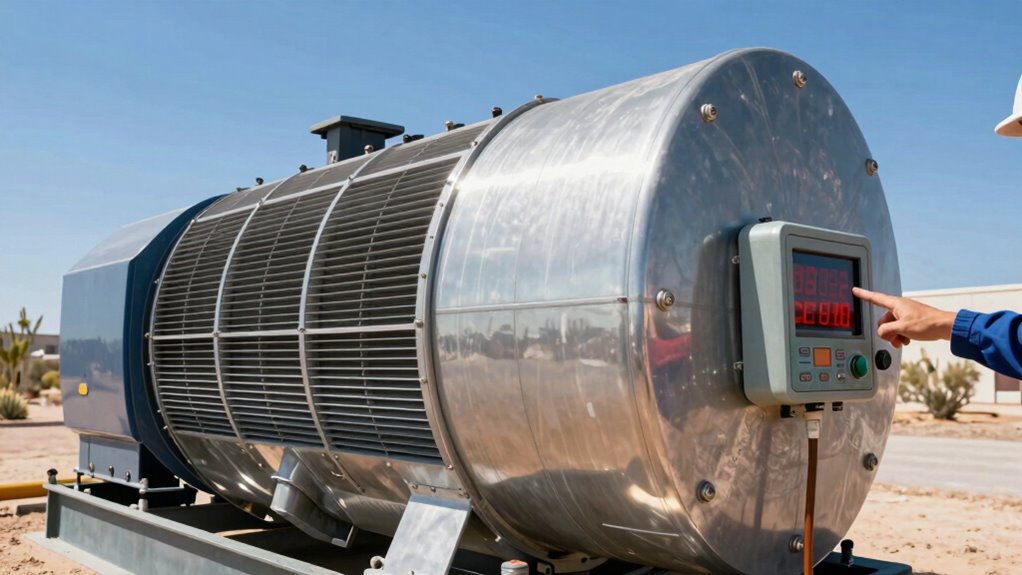
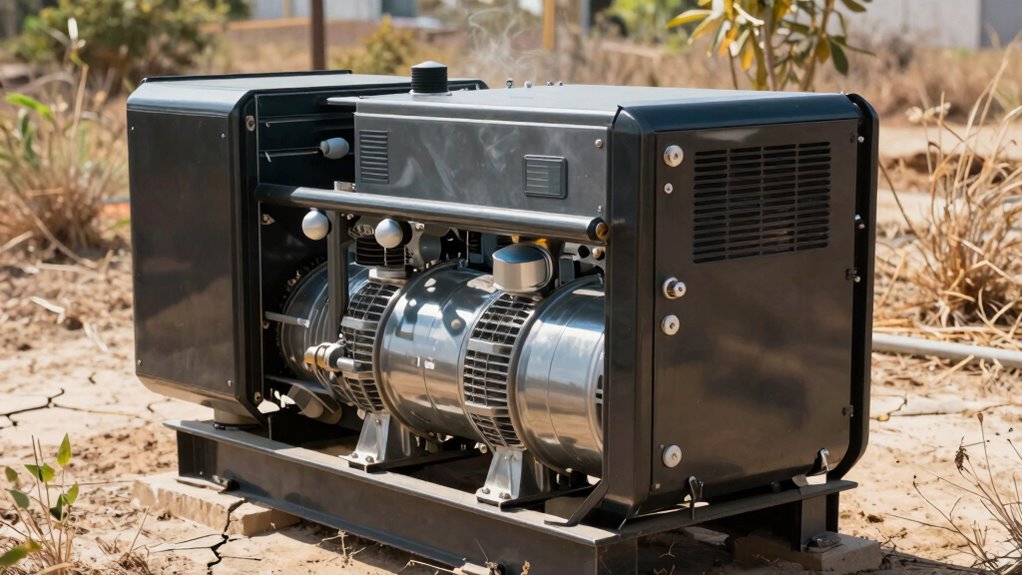
Have you ever wondered how hot weather impacts your generator’s performance? When temperatures soar, your generator faces more than just a warm environment; it encounters challenges that can affect its efficiency and longevity. One of the key concepts to understand here is derating, which refers to operating your generator at a reduced capacity to prevent overheating and damage. In hot weather, derating becomes a vital factor because it directly influences both cooling efficiency and fuel consumption. As temperatures rise, your generator’s cooling system has to work harder to keep internal components within safe operating limits. This increased effort can strain the system, leading to less effective cooling and, consequently, a higher risk of overheating. When cooling efficiency drops, your generator might automatically reduce its output to avoid damage, which means it’s not running at full capacity when you need it most. This reduction helps protect the internal components but can also result in less power being available for your needs.
At the same time, hot weather can cause your generator to burn more fuel. To compensate for the reduced cooling efficiency, the system often consumes additional fuel to maintain proper operation and prevent overheating. This means your fuel consumption goes up, making your energy costs higher and your generator less economical to run during heat waves. You might notice that your generator appears less efficient, needing more frequent refueling, and your overall operational costs increase. This is a direct consequence of derating in action, where the generator is forced to operate below its peak capacity to safeguard itself from the excess heat. Furthermore, prolonged exposure to high temperatures can accelerate wear and tear on critical components, shortening the lifespan of your generator. Recognizing the importance of connected equipment and proper maintenance routines can help optimize performance during extreme temperatures. It is also advisable to monitor operating conditions regularly to avoid unexpected failures caused by thermal stress. It’s also essential to ensure that your generator is equipped with appropriate cooling systems or additional cooling measures, especially in regions with frequent heat waves. Adapting to thermal stresses by implementing additional cooling strategies can significantly extend the lifespan of your equipment. Ignoring derating recommendations during hot conditions can lead to overheating, which damages internal parts and results in costly repairs. It’s essential to recognize that derating isn’t a sign of weakness but a protective measure to make sure your generator continues to operate reliably despite the challenging environment. In brief, understanding how hot weather impacts your generator’s cooling efficiency and fuel consumption helps you make smarter decisions about operation and maintenance, ultimately extending its lifespan and making sure it’s ready when you need it most.
As an affiliate, we earn on qualifying purchases.
Frequently Asked Questions
How Often Should Generator Derating Be Evaluated in Hot Climates?
You should evaluate generator derating in hot climates regularly, especially during peak summer months, to guarantee ideal cooling requirements and fuel efficiency. Check your generator at least monthly or whenever you notice changes in performance or temperature. This helps prevent overheating, maintains efficiency, and extends your equipment’s lifespan. Regular assessments allow you to adjust cooling systems as needed, ensuring your generator operates reliably under hot weather conditions.
Are There Specific Generator Models Designed for Hot Weather Conditions?
Specific generator models are designed for hot weather conditions, featuring enhanced cooling systems that combat heat and maintain performance. These models focus on efficiency optimization, ensuring reliable power even in scorching climates. When selecting a generator, look for those with superior cooling capabilities and weather-resistant features. This strategic choice helps you avoid overheating, prolongs equipment lifespan, and guarantees consistent operation when temperatures soar.
What Are the Long-Term Effects of Operating a Generator Under Derated Conditions?
Operating a generator under derated conditions can reduce its cooling efficiency, leading to higher operating temperatures over time. This stress may cause parts to wear faster and decrease overall lifespan. You’ll likely see increased fuel consumption as the generator works harder to deliver the same power. Long-term, these effects can result in more frequent maintenance needs, potential breakdowns, and reduced reliability, impacting your operational efficiency and costs.
How Does Ambient Temperature Influence Generator Maintenance Schedules?
Think of your generator as a seasoned athlete, sweating under the sun. As ambient temperatures rise, cooling systems work overtime, and you need to verify them more often to prevent overheating. Hot weather can sap fuel efficiency, making your maintenance schedule stretch tighter. Regular inspections ensure your generator remains in top form, just like a well-trained athlete, ready to perform when you need it most.
Can Portable Generators Handle Hot Weather Derating More Effectively?
Yes, portable generators with high durability and temperature resilience handle hot weather derating more effectively. Their design allows them to operate closer to their maximum capacity without overheating or suffering damage, even under intense heat. You’ll notice they perform reliably, maintaining power output and reducing downtime. Choosing a portable generator built with robust materials and cooling features guarantees better resilience in hot conditions, giving you peace of mind during summer outages or outdoor events.
As an affiliate, we earn on qualifying purchases.
Conclusion
Just as the sun tests the resilience of a desert bloom, hot weather challenges your generator’s capacity. By understanding derating, you guarantee your power source isn’t pushed beyond its limits, much like a seasoned sailor adjusting sails against the wind. Embrace these precautions, and your generator will stand firm through the heat, echoing the timeless wisdom that even the strongest must adapt to survive. In doing so, you safeguard your power supply against nature’s fiery test.
portable generator cooling system
As an affiliate, we earn on qualifying purchases.
As an affiliate, we earn on qualifying purchases.
generator fuel efficiency upgrade
As an affiliate, we earn on qualifying purchases.
As an affiliate, we earn on qualifying purchases.
Fall Picks
fall essentials
As an affiliate, we earn on qualifying purchases.