To guarantee safe use of parallel cables, identify their type and follow manufacturer guidelines to prevent electrical hazards. Regularly inspect cables for damage, wear, or loose connectors, and avoid overloading circuits. Handle connections gently, verify proper grounding, and keep cables organized to prevent stress or interference. Always disconnect power before replacing or inspecting cables, and seek professional help for complex issues. Continuing with this information will give you essential tips to protect yourself and your equipment.
Open a free Amazon Business account
Business pricing, bulk buying and tax-exempt orders.
As an affiliate, we earn on qualifying purchases.
Key Takeaways
- Always verify cable type, gauge, and safety standards to prevent electrical shorts or fires.
- Regularly inspect cables for visible damage, wear, or compromised insulation to ensure safe operation.
- Handle and connect cables gently, aligning connectors properly to avoid damage and ensure correct installation.
- Use cables rated for specific power loads and avoid overloading to prevent overheating and hazards.
- Follow proper disconnection procedures, ensuring power is off and cables are unplugged from both ends for safety.
Identifying the Types of Parallel Cables and Their Risks

Understanding the different types of parallel cables is essential for safe handling, as not all cables are created equal. During cable manufacturing, variations are made to meet specific needs, which can influence safety. One key factor in identifying different cables is branding identification, where manufacturers label their products clearly. These labels often include information about the cable type, gauge, and safety standards. Recognizing these details helps you determine the appropriate cable for your application and avoid risks like electrical shorts or fires. Some cables may look similar but have different internal wiring or shielding, making accurate identification vital. By paying attention to branding and understanding manufacturing differences, you reduce the chance of using incompatible or unsafe cables, ensuring safer connections and reliable performance. Additionally, understanding industry standards can help you select cables that meet safety regulations and quality benchmarks.
Recognizing Signs of Damage or Wear in Parallel Cables
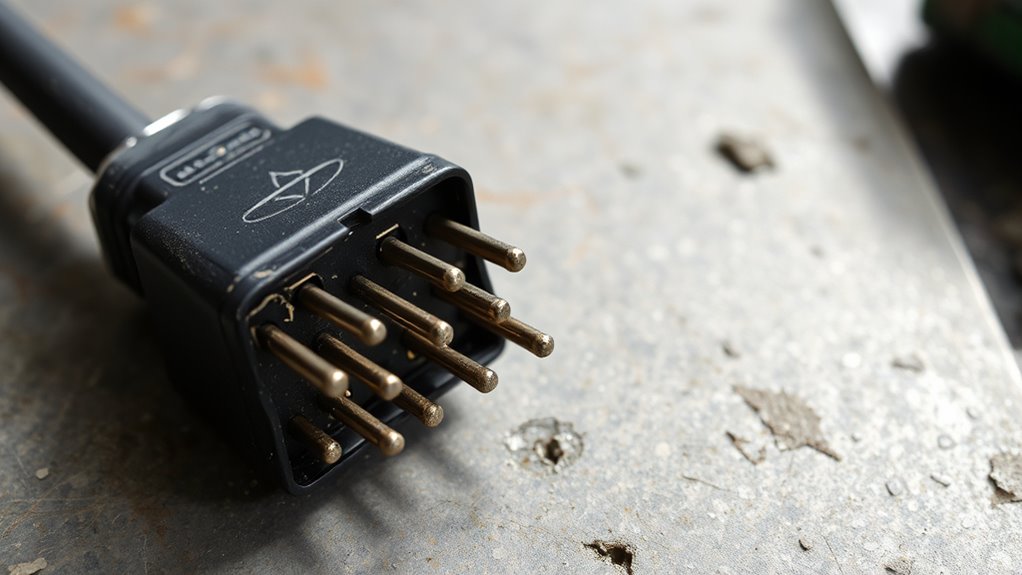
You should regularly check your parallel cables for visible damage, like cracks or frayed wires, which can compromise safety and performance. Notice any performance issues, such as intermittent connections or signal loss, that might indicate internal wear. Addressing these signs early helps prevent equipment damage and potential hazards. Monitoring cable durability is essential for maintaining overall safety and ensuring reliable operation.
Visible Physical Damage
How can you tell if a parallel cable is damaged? Perform a visual inspection for obvious signs of physical deformation or damage. Look for cracked, frayed, or broken insulation, which can expose wires and cause shorts. Check for bent or bent pins, which indicate physical deformation. Damaged connectors may be loose or missing parts, compromising connection integrity. Use the table below to identify common visible issues:
| Issue | What to Look For |
|---|---|
| Physical deformation | Bent pins, cracked insulation |
| Frayed or exposed wires | Frayed insulation, exposed conductors |
| Damaged connectors | Loose, missing, or broken connectors |
Recognizing these signs helps ensure safety and prevents further damage or failure. Always unplug and carefully examine your cable before use, and consult proper maintenance procedures to prolong its lifespan.
Performance Irregularities
Performance irregularities in parallel cables often signal internal damage or wear that may not be visibly externally. If you notice inconsistent data transfer, frequent disconnections, or slow performance, it could be due to cable length issues or internal damage. Longer cables are prone to signal interference, which can cause data corruption or delays. Pay attention to sudden changes in performance, as these may indicate worn or damaged connectors or internal wiring issues. Signal interference from nearby electronic devices can also contribute to irregularities, especially in cables that are old or improperly shielded. Regular inspection of your cable’s condition and avoiding excessive length can help prevent these problems. Recognizing these signs early protects your equipment and ensures reliable, safe operation, and understanding how cable quality affects performance can help you choose better wiring for your setup.
Proper Handling and Connection Procedures
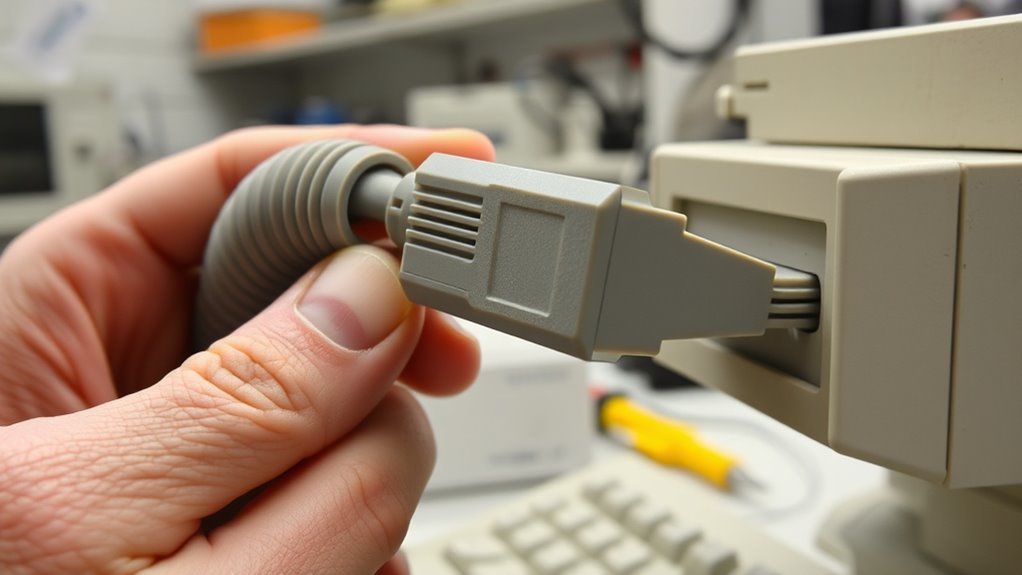
When connecting a parallel cable, make sure you insert it correctly without using excessive force. Forcing the connection can damage the pins or the port, leading to safety risks. Always handle the cable gently and verify it’s properly aligned before securing it in place. Proper connection techniques are especially important when working with sensitive electronic components, such as those involved in ECU tuning procedures.
Correct Cable Insertion
Proper cable insertion is essential for guaranteeing a safe and reliable connection. You must carefully check connector alignment to prevent damage and ensure the pins connect correctly. Always verify cable labeling before plugging in to avoid confusion or misconnection. When inserting, hold the connector firmly and straight, avoiding force that could bend pins or damage the port. Take your time to align the connector properly, guaranteeing it slides in smoothly. Remember, a secure, correct connection reduces electrical hazards and prolongs cable life.
- Feel confident knowing you’re preventing equipment damage
- Experience peace of mind with each proper connection
- Protect yourself and others from electrical hazards
- Maintain ideal system performance through careful handling
Avoid Forceful Connections
For a secure and safe connection, always handle cables gently and avoid forcing connectors into ports. Forceful plugging can damage both the cable and the port, leading to poor connections or hardware failure. When connecting or disconnecting, don’t apply excessive force, as this creates unnecessary cable strain that can weaken or break the cable over time. If a connector doesn’t slide in easily, check for obstructions or misalignment rather than forcing it. Proper handling ensures the longevity of your cables and maintains ideal signal quality. Remember, forcing a connection can also damage the pins or socket, resulting in costly repairs. Always take your time, align connectors correctly, and use gentle pressure to establish a secure, safe connection. Additionally, understanding auditory processing can help in troubleshooting connection issues related to sound quality or data transfer.
Understanding Electrical Safety Precautions When Using Parallel Cables
To guarantee safety while using parallel cables, you need to understand and follow essential electrical precautions. Always ensure proper grounding practices to protect yourself from electrical shocks. Use insulation techniques to prevent accidental contact with live wires, reducing risk. Keep cables organized and avoid tangling, which can cause damage or short circuits. Regularly inspect your cables for wear, cracks, or exposed wires, and replace them immediately if needed. Be cautious of overloading circuits, which can lead to overheating. Use insulated tools when handling cables and avoid working in wet conditions. Remember, safety isn’t just about equipment—it’s about your awareness and vigilance. Additionally, understanding Gold IRA Rollovers can help diversify your retirement investments to better protect your financial future. By following these precautions, you protect yourself, your equipment, and your environment from preventable electrical hazards.
The Importance of Grounding and Insulation
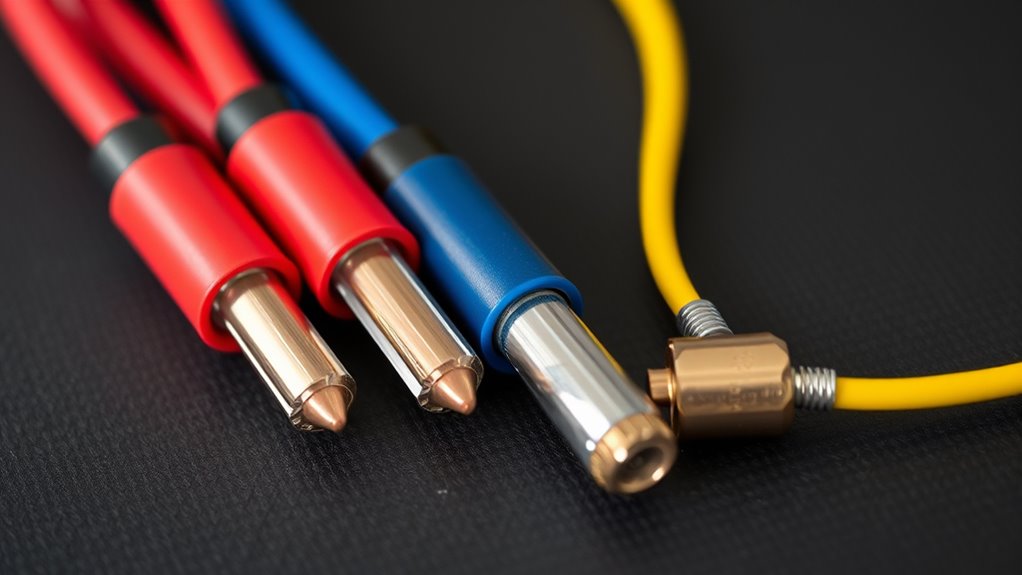
Grounding and insulation are essential components of safe parallel cable use, preventing electrical shocks and equipment damage. Proper grounding safety guarantees that any stray electrical current is directed safely into the ground, reducing the risk of shock or fire. Maintaining insulation integrity is equally critical; good insulation prevents accidental contact with live wires, protecting you and your equipment. Always verify that your cables are properly grounded before use, especially in high-voltage environments. Regularly inspect insulation for cracks, wear, or damage, and replace any compromised cables immediately. By prioritizing grounding safety and maintaining insulation integrity, you minimize hazards, enhance performance, and ensure a safer working environment when handling parallel cables. Additionally, understanding AI in electrical safety can lead to the development of smarter, safer cable management systems.
Common Mistakes to Avoid During Installation and Maintenance
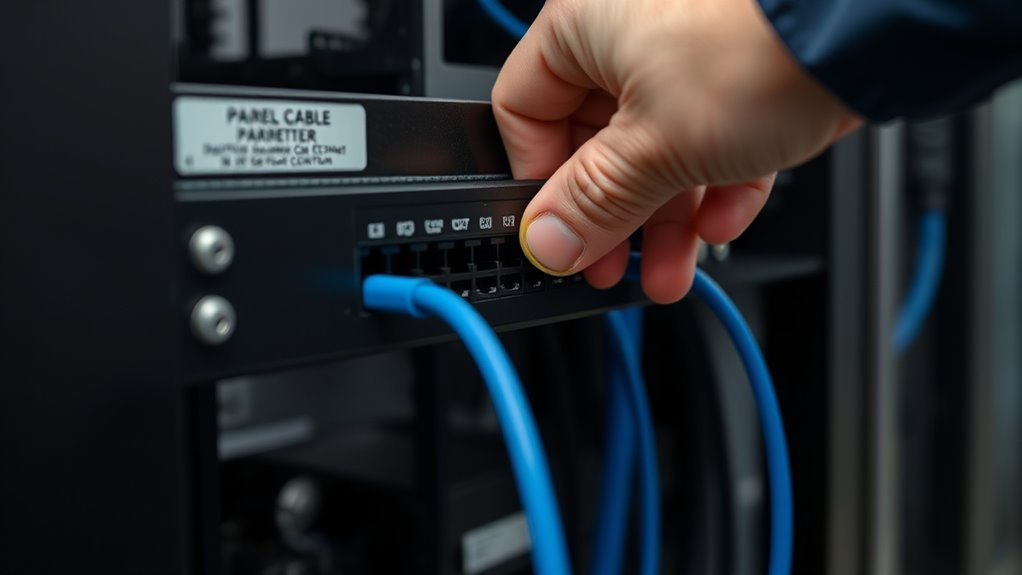
One common mistake during installation and maintenance is neglecting to double-check connections, which can lead to poor contact, signal loss, or electrical hazards. Failing to verify proper connections increases the risk of damaging equipment or causing shorts. Additionally, incorrect labeling can cause confusion, leading to incorrect connections or maintenance errors. Improper storage of cables can result in damaged insulation or bent pins, compromising safety and performance. Be sure to keep cables organized and stored properly to avoid unnecessary wear. Regularly inspecting cables and understanding retirement planning principles can help ensure long-term safety and efficiency.
When and How to Safely Disconnect or Replace Cables

Knowing when and how to safely disconnect or replace cables is essential to prevent accidents and equipment damage. Always follow proper procedures, including reviewing cable labeling before handling. Confirm the power is turned off and unplug the cable from both ends to avoid electrical hazards. Use designated storage procedures, such as gently coiling cables and storing them in labeled containers, to prevent damage and confusion later. Before disconnecting, double-check that no devices are active or in use. When replacing cables, inspect new cables for damage and verify compatibility. Proper labeling helps identify the correct cables during reinstallation, reducing the risk of errors. Additionally, understanding the performance metrics of cables can help determine their suitability for specific tasks. Following these steps ensures safety and maintains the integrity of your equipment and cables.
Tips for Preventing Overheating and Fire Hazards
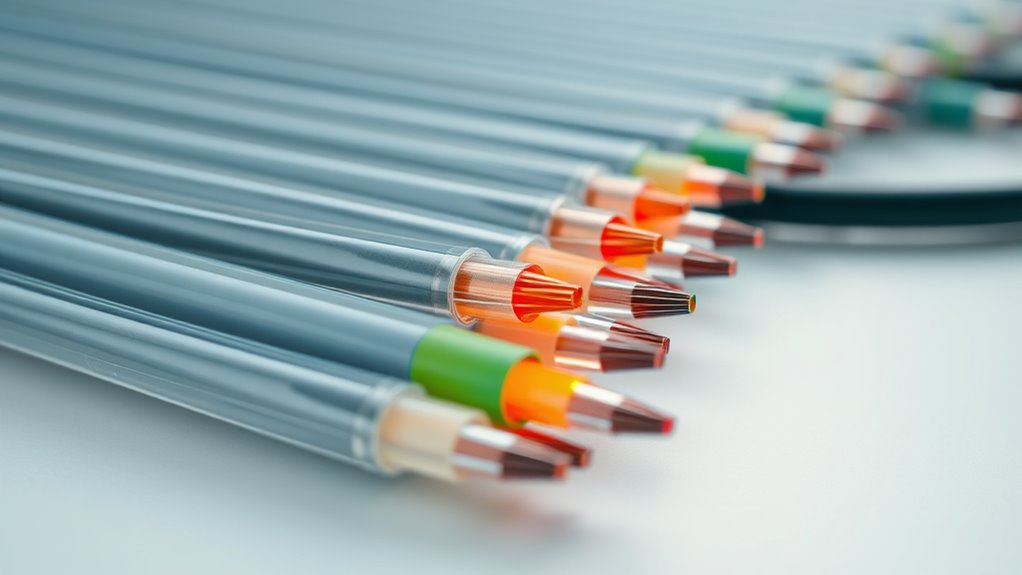
Properly disconnecting and replacing cables helps prevent damage and hazards, but maintaining safety doesn’t stop there. To reduce the risk of overheating and fire hazards, focus on fire prevention and ensure proper cable insulation. Always check for signs of wear, cracks, or exposed wires that could lead to overheating. Keep cables in a cool, dry environment, avoiding contact with heat sources. Use cables rated for your equipment’s power load, and don’t overload circuits. Proper cable insulation is key to preventing shorts and fires.
Proper cable maintenance and insulation are essential for preventing overheating and fire hazards.
- Keep cables organized to avoid tangling and stress points
- Regularly inspect insulation integrity and replace damaged cables
- Avoid running cables under carpets or through tight spaces
- Turn off equipment when not in use to prevent overheating
Knowing When to Seek Professional Assistance
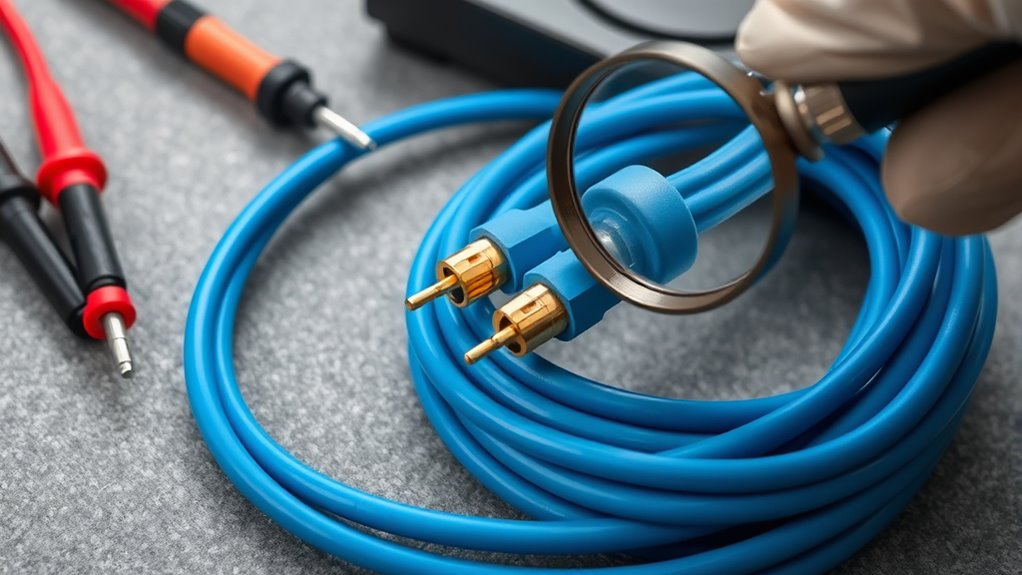
While many cable issues can be addressed with basic troubleshooting, there are times when professional help becomes vital. If you encounter persistent wiring problems, unusual sparks, or signs of overheating, it’s essential to seek expert assistance immediately. Emergency procedures should be followed to prevent injury or equipment damage, such as disconnecting the cable and avoiding further use. Additionally, if you’re unsure whether your setup meets certification requirements, consult a qualified technician. Professionals have the training and tools to diagnose complex issues safely and guarantee your system complies with safety standards. Never ignore warning signs or attempt risky repairs without proper knowledge. Recognizing when to call in experts helps protect you, your equipment, and your property from potential hazards.
Frequently Asked Questions
Can Parallel Cables Be Used Outdoors Safely?
You shouldn’t use parallel cables outdoors unless they’re specifically rated for weather conditions. Consider weather considerations like rain, humidity, and temperature changes that can damage standard cables. Make sure the cable insulation is weatherproof and designed for outdoor use to prevent electrical hazards. Always check manufacturer guidelines, and avoid exposing cables to moisture or extreme weather to guarantee safety and longevity of your setup.
What Are the Signs of Electrical Arcing in Parallel Cables?
Imagine sparks dancing in a dark room—that’s what electrical arcing in parallel cables looks like. You’ll notice signs like sizzling sounds, burning smells, or visible sparks and smoke. Cable insulation may appear damaged or melted, and you might see tiny arcs jumping between conductors. Use arc detection tools to catch these dangers early, preventing fires or equipment damage by promptly addressing the signs of electrical arcing.
How Long Can a Parallel Cable Safely Operate Under Load?
You can safely operate a parallel cable under load for as long as the cable’s insulation remains intact and the load stays within its rated capacity. Always check the cable’s specifications for maximum load capacity, and avoid overloading, which can cause overheating. Regularly inspect the cable for signs of wear or damage, and verify the insulation is in good condition to prevent electrical hazards during operation.
Are There Specific Maintenance Schedules for Parallel Cables?
You should perform regular cable inspection and follow recommended maintenance intervals to keep your parallel cables in good condition. Check for signs of wear, corrosion, or damage at least every six months, or more often if used in harsh environments. Proper maintenance includes cleaning, tightening connections, and replacing damaged components promptly. Staying consistent with these schedules helps guarantee safe operation and prolongs your cable’s lifespan.
What Are the Legal Regulations Regarding Parallel Cable Installation?
You need to follow legal regulations when installing parallel cables, balancing strict standards compliance with practical needs. While technical standards ensure safety and performance, installation permits verify you’re adhering to local laws. Ignoring these can lead to fines or unsafe setups. Always check with your local authorities, obtain necessary permits, and follow industry standards to guarantee your installation is both legal and secure, preventing future issues.
Conclusion
Think of parallel cables as the veins of your tech world—powering and connecting essential parts. When you handle them with care, respect their signs of wear, and follow safety steps, you keep the flow smooth and safe. Ignoring these rules is like neglecting your health; it risks a dangerous rupture. Stay vigilant, stay grounded, and when in doubt, call in a pro. That way, your system remains a resilient, well-tended garden rather than a wild jungle.
Fall yard work Picks
leaf blowers
As an affiliate, we earn on qualifying purchases.