
To calculate inverter generator THD, you’ll need a harmonic analyzer or a true RMS multimeter with THD measurement capabilities. First, connect the device to the generator’s output, then measure the harmonic distortion by analyzing the harmonic frequencies relative to the fundamental sine wave. Lower THD values mean cleaner power, which helps protect sensitive electronics from damage and performance issues. Continue exploring to understand how maintaining low THD benefits your devices and how to guarantee your generator provides high-quality power.
Open a free Amazon Business account
Business pricing, bulk buying and tax-exempt orders.
As an affiliate, we earn on qualifying purchases.
Key Takeaways
- THD is calculated by analyzing harmonic frequencies relative to the fundamental sine wave, often using specialized harmonic analyzers.
- Lower THD percentages (below 3%) indicate cleaner, more stable waveforms suitable for sensitive electronics.
- Accurate THD measurement involves capturing the output waveform and performing Fourier analysis to identify harmonic content.
- High THD can introduce power fluctuations, causing audio noise, overheating, and potential damage to electronic devices.
- Selecting an inverter generator with low THD ensures minimal harmonic distortion, promoting device longevity and optimal performance.

Understanding Total Harmonic Distortion (THD) in inverter generators is essential because it directly impacts the performance and safety of your electronic devices. When evaluating inverter generators, you’ll want to pay close attention to waveform purity, which refers to how closely the output resembles a perfect sine wave. The higher the waveform purity, the lower the THD, and this is critical because many sensitive electronics depend on clean power to function correctly. If the THD is too high, it can cause a range of issues, from minor performance hiccups to significant damage in your devices. Consequently, knowing how to measure and interpret THD helps guarantee you select a generator that provides stable, reliable power.
Power stability is another key factor influenced by THD. Inverter generators are designed to produce a stable output, but if the harmonic distortion is excessive, the power becomes unpredictable. This instability may manifest as flickering lights, audio noise in your electronics, or even premature failure of sensitive components. To maintain excellent performance, you want a generator with a low THD, ideally below 3%. Such low distortion levels indicate that the waveform is close to a pure sine wave, which is essential for the safe operation of devices like laptops, medical equipment, and audio systems. When calculating THD, you’ll often find it expressed as a percentage, representing the harmonic content relative to the fundamental frequency. A smaller percentage signifies cleaner power and better waveform purity.
Calculating THD involves analyzing the harmonic frequencies present in the output signal, usually with specialized equipment like a harmonic analyzer or a true RMS multimeter capable of measuring harmonic distortion. Many inverter generators come with specifications that list their THD levels, but if you want to be thorough, testing the actual output can give you a clearer picture of the waveform quality. Remember, even small increases in THD can lead to noticeable problems over time, especially if your electronics are particularly sensitive. In practice, a generator with a low THD ensures that your devices receive consistent, stable power, preventing issues like data corruption, overheating, or reduced lifespan. Additionally, advancements in inverter technology have led to reduced harmonic distortion, resulting in even cleaner power output for sensitive applications.
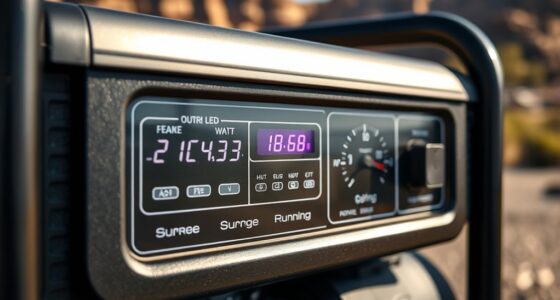
inverter generator THD measurement device
As an affiliate, we earn on qualifying purchases.
As an affiliate, we earn on qualifying purchases.
Frequently Asked Questions
How Does Inverter Generator THD Compare to Traditional Generators?
Inverter generators typically have lower THD compared to traditional generators, which means better power quality for your electronics. This results in smoother operation and less risk of damage. Plus, inverter generators usually produce quieter noise levels, making them more suitable for outdoor activities or camping. You’ll notice less electrical interference and enjoy a more reliable power supply, ensuring your devices run efficiently and safely without disruptions.
What Is the Ideal THD Level for Sensitive Electronics?
For sensitive electronics, aim for a THD level below 3% to guarantee ideal power quality and minimize electrical noise. Higher THD can cause disturbances, reduce efficiency, and risk damage over time. You should select inverter generators with low THD ratings, as they produce cleaner, more stable power. Maintaining low THD levels helps protect your devices, prolong their lifespan, and ensures smooth operation with minimal electrical noise interference.
Can High THD Damage Specific Types of Electronic Devices?
Think of harmonic distortion as rogue waves crashing into your electronics. High THD can damage sensitive devices like computers and audio equipment by disrupting power quality, much like a storm shaking a fragile boat. These harmonic distortions cause overheating, malfunctions, or even permanent damage. To keep your devices safe, guarantee your inverter generator maintains low THD levels, creating a smooth, stable power flow—like a calm lake free of disruptive ripples.
How Often Should I Test My Inverter Generator’s THD?
You should test your inverter generator’s THD during your maintenance schedule, ideally every 3 to 6 months. Regular testing helps you monitor the power quality and make certain your electronics stay safe. If you use your generator heavily or notice any issues with connected devices, increase testing frequency. Consistent testing keeps you informed about your generator’s performance, preventing potential damage caused by high THD levels and maintaining reliable operation.
Does Load Size Affect the Inverter Generator’s THD?
Yes, load size affects your inverter generator’s THD due to load fluctuation. When you increase or decrease the load, it can cause variations in power stability, which may lead to higher harmonic distortion. Maintaining a steady load helps keep THD levels low, ensuring your electronics run smoothly. To optimize performance, avoid sudden load changes and monitor your generator’s output regularly, especially during fluctuating power demands.
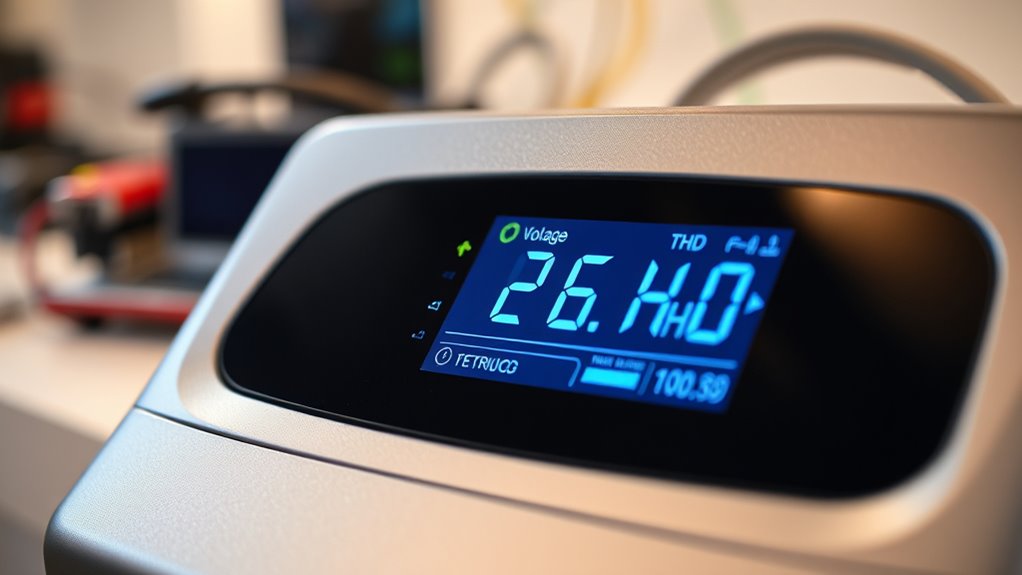
true RMS multimeter for harmonic analysis
As an affiliate, we earn on qualifying purchases.
As an affiliate, we earn on qualifying purchases.
Conclusion
Understanding inverter generator THD isn’t just about numbers; it’s about safeguarding your electronics while enjoying reliable power. When you pay attention to THD levels, you might find yourself surprised at how small changes make a big difference in performance. It’s almost like a coincidence—by simply choosing a generator with low THD, you could prevent costly damage. So, next time you power up, remember that a little awareness can lead to big savings and smoother operation.
As an affiliate, we earn on qualifying purchases.
harmonic analyzer for power quality
As an affiliate, we earn on qualifying purchases.
As an affiliate, we earn on qualifying purchases.
Fall Picks
fall essentials
As an affiliate, we earn on qualifying purchases.