If your inverter generator isn’t charging the battery properly, start by checking the charging circuit components like diodes, voltage regulators, and wiring connections. Look for corrosion, loose terminals, or damaged wires that could disrupt current flow. Use a multimeter to test the output voltage and identify inconsistent or low readings. Addressing faulty parts and ensuring tight connections often solves the problem. To find out how to troubleshoot these issues effectively, keep exploring the causes and solutions involved.
Key Takeaways
- Check the voltage output of the charging circuit with a multimeter to ensure it meets manufacturer specifications.
- Inspect and clean battery terminals to prevent corrosion and ensure proper current flow.
- Test diodes and voltage regulators for faults, replacing any damaged components to restore charging functionality.
- Examine wiring connections for damage or looseness that could disrupt current flow to the battery.
- Perform regular maintenance and system checks to identify early signs of charging issues and prevent battery failure.
If you’re experiencing trouble charging your battery, you’re not alone. Many inverter generator users face similar issues, often rooted in minor problems that can be fixed with proper troubleshooting. The first step is understanding how your generator’s charging system works, especially the role of battery maintenance and the charging circuits. The charging circuits are responsible for replenishing the battery’s power, ensuring the generator can start reliably and operate smoothly. If these circuits are faulty or compromised, your battery won’t charge correctly, leading to operational disruptions.
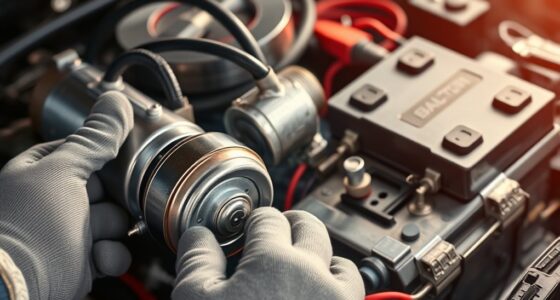
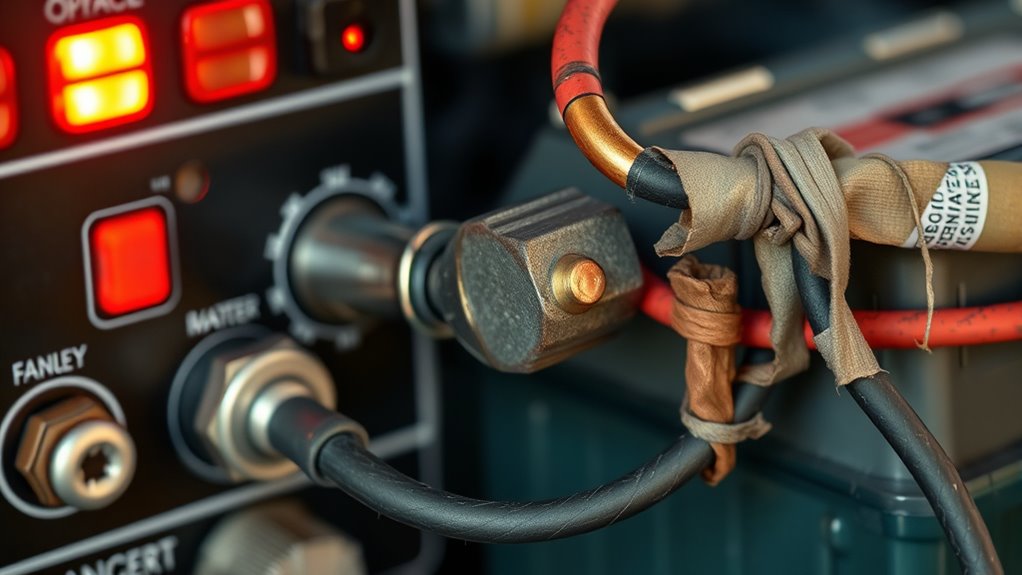
Proper battery maintenance is vital in preventing charging issues. Over time, batteries can accumulate corrosion, lose capacity, or develop internal faults that hinder charging. Regularly inspecting the terminals for corrosion and ensuring they’re clean can make a significant difference. Keep the terminals tight and free of debris, as loose or corroded connections can cause poor current flow, which hampers the charging process. Additionally, checking the battery’s electrolyte levels (if applicable) and keeping it charged at recommended levels helps prolong its lifespan and ensures it’s ready when needed.
Regularly inspect and clean terminals to prevent corrosion and ensure proper battery charging.
When your battery isn’t charging properly, the culprit might be within the charging circuits. These circuits include components like diodes, voltage regulators, and wiring harnesses that work together to deliver the correct voltage and current to the battery. Faulty diodes, for instance, can cause reverse current flow, preventing the battery from charging or even draining it further. A malfunctioning voltage regulator may fail to supply a stable voltage, leading to undercharging or overcharging, which can damage the battery.
Troubleshooting involves checking these components for signs of damage or wear. Using a multimeter, you can test the voltage output of the charging circuit to verify it’s within the manufacturer’s specifications. If you notice inconsistent or low voltage readings, it might indicate a faulty component or a wiring issue. Sometimes, replacing a damaged diode or regulator can restore proper charging, but in other cases, the entire circuit may need a professional repair or replacement. Being aware of battery maintenance and how it interacts with your generator’s components can help you identify issues early and prevent costly repairs.
Lastly, verify your generator’s settings are correct and that there aren’t any underlying electrical issues. Sometimes, the problem isn’t with the battery or circuits, but with the generator’s internal controls or connections. Regular maintenance, including cleaning, inspecting connections, and testing the charging system, can prevent most charging issues before they become severe. Staying proactive with battery maintenance and understanding your generator’s charging circuits guarantees you won’t be left stranded when you need power the most.
Top picks for "battery charg issu"
Open Amazon search results for this keyword.
As an affiliate, we earn on qualifying purchases.
Frequently Asked Questions
How Often Should I Check My Inverter Generator’s Battery?
You should check your inverter generator’s battery at least once a month to guarantee proper charging frequency and prevent issues. Regular inspections help you spot signs of deterioration early, avoiding unexpected battery replacement costs. Keep the battery clean and secure, and if you notice reduced performance, consider recharging or replacing it. Consistent checks prolong your generator’s lifespan and ensure reliable power whenever you need it.
What Are Signs My Battery Needs Replacement?
You’ll know your battery needs replacement if it shows a shortened lifespan or if the charging indicators flicker or stay off altogether. When your battery consistently struggles to hold a charge despite proper maintenance, it’s a clear sign it’s reached the end of its life. Regularly monitor the charging indicators and note any irregularities; these are key signs that your battery may need replacing to keep your inverter generator running smoothly.
Can External Chargers Fix Charging Issues?
Think of your inverter generator’s battery as a tired traveler needing a boost. An external charger acts like a helpful guide, providing a charging repair that can often restore power. Yes, an external charger can fix charging issues by directly supplying charge, but it’s not a permanent fix. If problems persist, you might need to inspect the alternator or replace the battery. Always follow safety precautions during charging repairs.
Does Temperature Affect Battery Charging Performance?
Temperature greatly influences your battery’s efficiency during charging. When it’s too cold, the chemical reactions slow down, reducing charging effectiveness and potentially causing performance issues. Conversely, high temperatures can increase the risk of overheating, which may damage the battery. To guarantee ideal charging performance, keep your inverter generator in a temperature-controlled environment, especially if you notice sluggish charging or diminished battery life. Proper temperature management helps maintain your battery’s longevity and efficiency.
Are There Specific Maintenance Tips for Battery Longevity?
To extend your battery lifespan, focus on proper battery care by regularly checking terminals for corrosion and keeping the battery clean. Avoid deep discharges, and store your generator in a cool, dry place. Make certain the battery is fully charged during periods of inactivity. Proper maintenance like these helps prevent issues, prolongs battery life, and ensures your inverter generator runs smoothly when needed.
Conclusion
If your inverter generator’s battery isn’t charging, think of it as a car running low on fuel—you’ll need to give it a boost to keep everything running smoothly. Don’t let these issues stall your power flow; tackle them head-on like a skilled mechanic. With a little troubleshooting and care, you’ll keep your generator humming like a well-oiled machine, ready to light up your adventures whenever you need it most.