
If your generator starts but then dies soon after, it’s likely due to fuel system or carburetor issues. First, check for stale or contaminated fuel in the tank and replace it if needed. Inspect fuel lines for cracks or blockages, and clean or replace the fuel filter. Also, disassemble and clean the carburetor jets and passages carefully. Addressing these common concerns can restore proper fuel flow; explore further tips to keep your generator running smoothly.

Get backup power and energy gear delivered free — and shop member deals
- Fast, free delivery on millions of items
- Access to Prime Big Deal Days deals on October 6–7
- Prime Video, Amazon Music and more included
Key Takeaways
- Check for contaminated or stale fuel in the tank and replace with fresh gasoline.
- Inspect and clean or replace clogged fuel filters and lines to ensure proper fuel flow.
- Remove and thoroughly clean the carburetor, paying attention to jets and passages for debris.
- Verify the spark plug condition and air filter to prevent ignition or airflow issues.
- Adjust idle settings and perform a full system inspection if the generator still stalls after fuel and carburetor maintenance.
If your generator starts but then quickly dies, it can be frustrating and confusing. One common cause for this issue lies within the fuel system. Over time, dirt, debris, or stale fuel can clog the fuel lines or restrict flow, preventing your generator from maintaining a steady operation. You might notice that the fuel isn’t reaching the engine properly, which causes it to sputter and shut down shortly after starting. To fix this, you should begin by inspecting the fuel tank for old or contaminated fuel. Drain and replace it with fresh gasoline. Next, check the fuel lines for cracks, blockages, or leaks, and replace any damaged parts. Ensuring that the fuel filter is clean or replaced can also make a significant difference. Remember, a clean and unobstructed fuel system is essential for your generator to run smoothly.
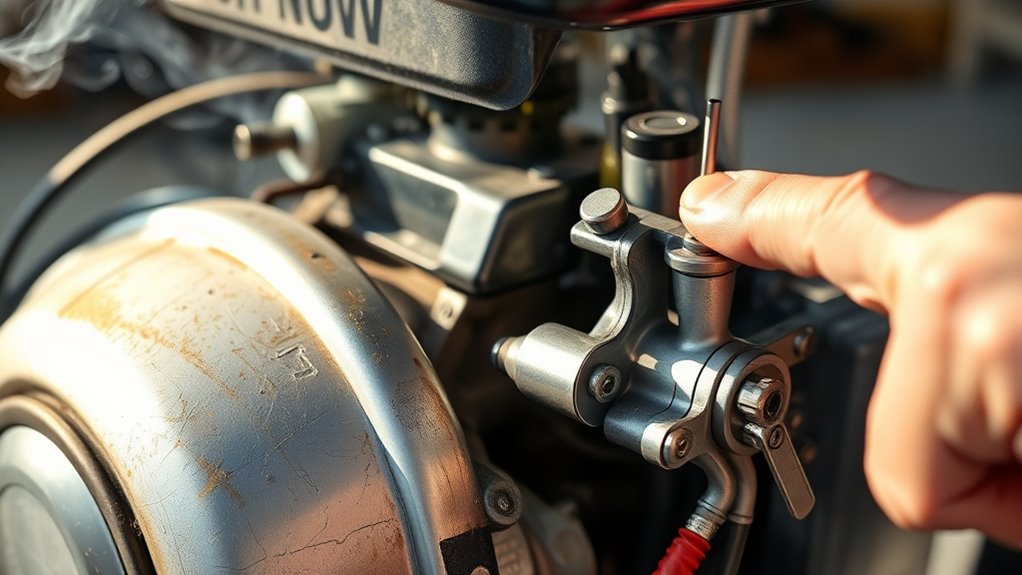
Once you’ve addressed the fuel system, the next step involves the carburetor. A dirty or clogged carburetor is often the vital culprit when your generator starts but doesn’t stay running. Over time, fuel residues and debris can build up inside the carburetor, disrupting the proper mixture of air and fuel needed for combustion. Regular carburetor cleaning is essential for maintaining reliable performance. To clean it, you’ll need to remove the carburetor from the engine, disassemble it carefully, and clean all the jets, passages, and surfaces with a carburetor cleaner spray. Be thorough, ensuring no dirt or deposits remain. If you notice the needle or float is damaged or sticking, replace those parts. After cleaning, reassemble the carburetor and reinstall it, then test your generator. Proper carburetor maintenance can restore proper fuel flow and mixture, allowing your generator to run steadily without dying shortly after starting. Additionally, understanding the importance of fuel system maintenance can help prevent these issues in the future.
Keep in mind that other issues could also cause your generator to die early, such as a faulty spark plug, air filter problems, or idle settings. But start with these fundamental steps—inspect and clean the fuel system and carburetor—since they are the most common culprits. Regular maintenance, including fuel system inspection and carburetor cleaning, will help prevent these problems from recurring. Staying proactive with these simple tasks can save you time and frustration, ensuring your generator operates reliably whenever you need it. If after these steps your generator still won’t stay running, it might be time to consult a professional to diagnose more complex issues.
generator fuel filter replacement kit
As an affiliate, we earn on qualifying purchases.
As an affiliate, we earn on qualifying purchases.
Frequently Asked Questions
Can Changing the Fuel Filter Fix the Starting Problem?
Yes, changing the fuel filter can fix your starting problem. A clogged or dirty fuel filter restricts fuel flow, which can cause your generator to start then die. When you replace it, you improve fuel quality and guarantee a steady flow to the carburetor. This simple fix often resolves issues related to poor fuel delivery, helping your generator run smoothly without stalling after startup.
What Are Signs of a Bad Carburetor?
Imagine your carburetor as a picky chef; if it’s dirty or misadjusted, it’ll refuse to serve up a smooth fuel mixture. Signs of a bad carburetor include rough idling, stalling, or difficulty starting. You might notice black smoke or fuel leaks. To fix this, you need a thorough carburetor cleaning, ensuring the fuel mixture is just right. If ignored, your generator’s performance will be as chaotic as a kitchen full of burnt toast.
How Often Should I Service My Generator’s Carburetor?
You should service your generator’s carburetor at least once a year or every 100 hours of use, whichever comes first. Follow a regular maintenance schedule to keep it running smoothly. During troubleshooting, check for clogs, dirt, or wear. Regular cleaning and inspection prevent issues that cause the generator to start then die. Staying on top of maintenance guarantees reliable performance and extends your generator’s lifespan.
Is It Safe to Use Fuel Stabilizer Regularly?
Using fuel stabilizer regularly is a wise move—it’s like hitting two birds with one stone. It offers numerous benefits, including preventing fuel breakdown and carburetor issues, which can save you headaches down the road. Incorporate it into your maintenance routines to keep your generator running smoothly. Just make certain you follow the manufacturer’s instructions for proper dosage, and you’ll enjoy reliable power whenever you need it.
When Should I Replace My Generator’s Spark Plug?
You should replace your generator’s spark plug if it shows signs of wear, damage, or fouling during spark plug maintenance. Typically, inspect it every 100 hours of use or annually. During ignition system troubleshooting, a faulty spark plug can cause starting issues or engine stalling. Replacing it guarantees reliable ignition, improved performance, and prevents further engine problems. Regular spark plug checks are essential for keeping your generator running smoothly.
carburetor cleaner spray for generators
As an affiliate, we earn on qualifying purchases.
As an affiliate, we earn on qualifying purchases.
Conclusion
When your generator starts then dies, it’s frustrating, but troubleshooting fuel and carburetor issues can often solve the problem. Have you checked for clogs, stale fuel, or dirt in the carburetor? Taking these steps might just keep your generator running smoothly when you need it most. So, next time it stalls after starting, will you take the time to diagnose the root cause or keep guessing? Sometimes, the solution is simpler than it seems.
As an affiliate, we earn on qualifying purchases.
spark plug for portable generator
As an affiliate, we earn on qualifying purchases.
As an affiliate, we earn on qualifying purchases.
Fall Picks
fall essentials
As an affiliate, we earn on qualifying purchases.