TL;DR

Get backup power and energy gear delivered free with Prime
- Fast, free delivery on millions of items
- Prime Video, Amazon Music and more included
- Member-only deals all year
Gov. Gavin Newsom signed two California bills intended to expand the use of virtual power plants, which coordinate batteries, electric vehicles and other devices to support the grid. The laws aim to reduce costs associated with peak electricity demand, but their effect on customer bills will depend on implementation by state regulators under the next governor.
California Gov. Gavin Newsom signed two bills on Wednesday intended to expand virtual power plants, which coordinate household batteries, electric vehicles and other devices to help meet electricity demand. The measures are part of a broader affordability package aimed at containing utility spending as California residential electricity rates have risen to roughly twice the U.S. average over the past decade.
SB 913 addresses the expense of keeping aging gas-fired “peaker” plants available for the limited hours when electricity demand is highest. Utilities have long paid customers to reduce electricity use, including by turning off air conditioners. The bill supports broader use of customer-owned devices to help ease those peaks.
SB 905 focuses on the cost of building and maintaining grid capacity to serve peak demand. Utilities typically plan for periods of heavy use, leaving some of that capacity underused at other times. Coordinated batteries and flexible demand could reduce the need for some grid investments, though the bills do not establish how much spending or how many customer dollars will be saved.
The two bills also address utility finances. According to the report, both seek to limit the return utilities can earn on some wildfire-prevention and mitigation investments and require utilities to use more borrowing to finance a larger share of grid investments. The California Public Utilities Commission will play a role in implementing the laws.
How Peak-Shaving Could Cut Costs
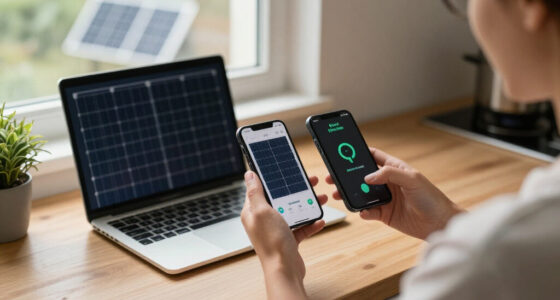
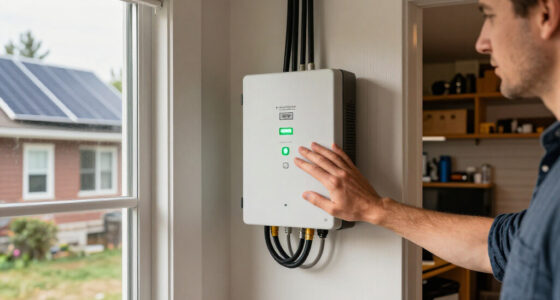
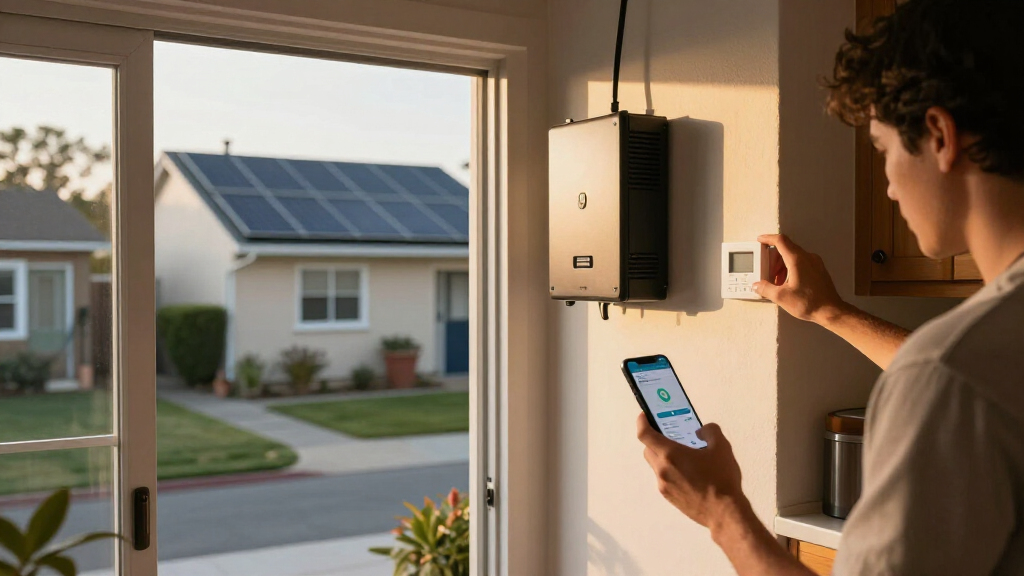
Virtual power plants could give California another way to meet short periods of heavy electricity demand without relying as heavily on gas plants or building grid capacity for the most demanding hours. A VPP can combine many small devices—such as batteries, EV chargers and smart thermostats—so their electricity use or stored power can be coordinated.
The potential consumer impact is meaningful because high electricity costs have become a major concern in the state. The source report says average residential rates charged by California’s three major investor-owned utilities have reached roughly twice the national average over the past decade, while those utilities have reported record profits. The bills aim to change the costs utilities incur and recover from customers, but they do not guarantee lower bills. As California Solar and Storage Association executive director Brad Heavner cautioned, the outcome will hinge on how regulators put the laws into practice.
As an affiliate, we earn on qualifying purchases.
Newsom’s Shift on Virtual Power Plants
The signing marks a change from Newsom’s recent record on virtual power plant policy. He vetoed three VPP bills last year, and his administration has sought successive funding reductions for California’s main VPP program. The report said that program could be unable to continue next year unless lawmakers and the incoming governor agree on funding.
The governor signed the measures as part of a wider set of energy-affordability legislation. The report describes a political backdrop of public frustration with electricity costs and opposition from major utilities to proposals that could constrain investment spending on which they earn regulated returns. Newsom also vetoed a separate bill that would have directed state agencies to overhaul the state’s community solar-battery market, leaving clean-energy advocates without all the changes they sought.
““I’d say we saw today a lot of evidence that Gov. Newsom has really prioritized affordability and accountability to an increased extent.””
— Mark Toney, executive director of The Utility Reform Network
As an affiliate, we earn on qualifying purchases.
Savings Depend on State Rulemaking
The bills authorize a stronger policy role for virtual power plants, but the source report gives no projected savings, deployment targets or timetable for how many households or devices will take part. It is not yet clear how the CPUC will set program terms, how utilities will value the services devices provide, or whether those arrangements will result in lower rates for customers.
The future of California’s existing VPP program is also unsettled. The report says successive funding cuts could leave it unable to operate next year unless the legislature and the incoming governor agree on a funding plan. Newsom’s separate veto of the community solar-battery bill leaves that proposal’s policy overhaul unresolved as well.
As an affiliate, we earn on qualifying purchases.
Regulators and the Next Governor
The next major step is implementation by the California Public Utilities Commission, with decisions under the next governor expected to shape how utilities use customer devices and whether the approach reduces costs. The legislation’s passage does not, on its own, establish the amount of any future bill reduction.
Lawmakers and the incoming administration will also need to address funding for the state’s existing VPP program if it is to continue next year. The source report does not give a deadline for that agreement or a schedule for the new bills’ regulatory proceedings.
smart thermostats for energy savings
As an affiliate, we earn on qualifying purchases.
As an affiliate, we earn on qualifying purchases.
Key Questions
What did Newsom sign?
He signed SB 913 and SB 905, two California bills intended to support virtual power plants and address costs associated with peak demand and utility grid investments.
What is a virtual power plant?
It is a coordinated group of distributed energy devices, such as home batteries, electric vehicles, chargers and smart thermostats, that can adjust electricity use or supply power to help the grid.
Will the bills lower electricity bills?
That is not yet known. The measures aim to contain some utility costs, but customer savings depend on implementation by the California Public Utilities Commission and other decisions.
Why is the signing a change in policy?
Newsom vetoed three VPP bills last year and his administration sought funding reductions for the state’s main program. This year, he signed two measures promoting the technology.
What happens to California’s existing VPP program?
Its future remains uncertain. The report says it may be unable to continue next year unless the legislature and incoming governor agree on funding.
Source: rss
Halloween Picks
halloween
As an affiliate, we earn on qualifying purchases.