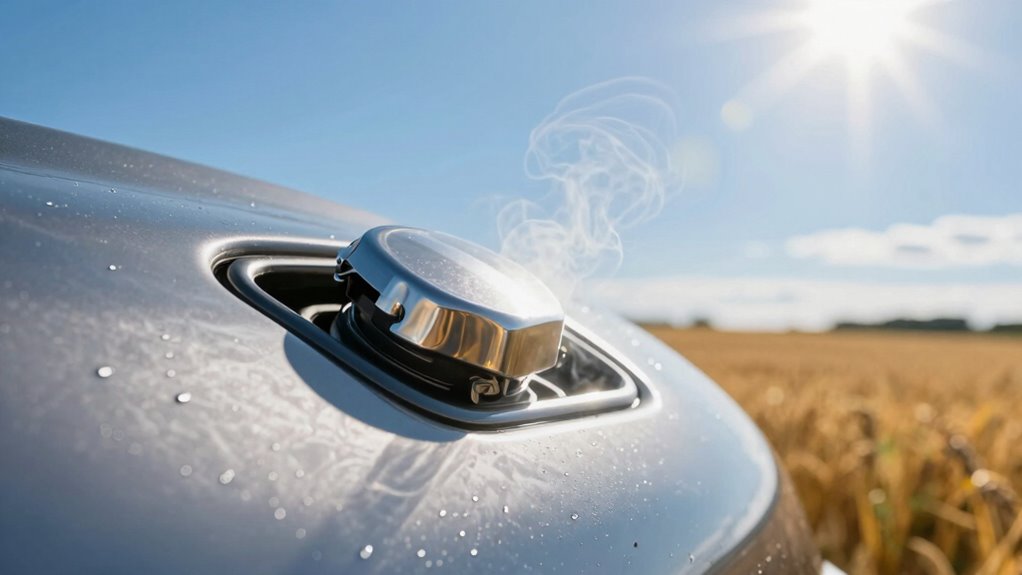
During summer heat, your vehicle’s fuel evaporates faster, especially the lighter hydrocarbons. This causes the fuel composition to shift, leading to less consistent fuel and decreased engine efficiency. Hot conditions can also cause vapor lock, disrupting fuel flow and causing stalling or rough idling. To keep your engine running smoothly, regular maintenance and proper storage are essential. Keep going to discover more ways hot weather impacts your vehicle’s fuel system and performance.
Key Takeaways
- Higher temperatures accelerate fuel evaporation, especially of lighter hydrocarbons, altering fuel composition.
- Increased evaporation can cause vapor lock, disrupting fuel flow and leading to engine stalling.
- Hot weather can make fuel less stable, causing degradation and reduced engine efficiency.
- Proper maintenance of fuel systems helps prevent vapor lock and maintains optimal performance.
- Using fuel additives and storage strategies can preserve fuel quality during summer heat.
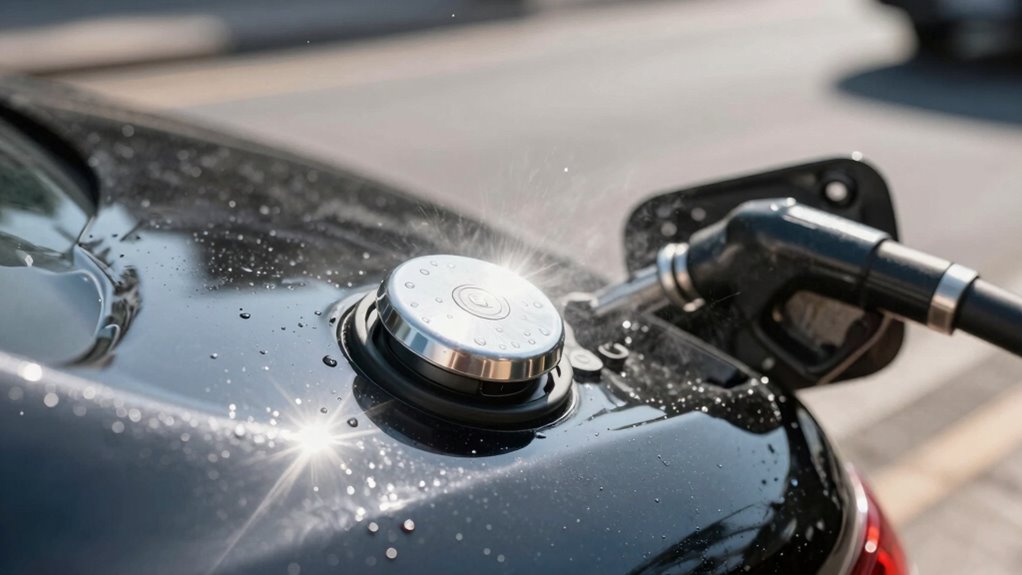
During the hot summer months, fuel behaves differently than in cooler weather, primarily because higher temperatures increase the rate of evaporation. When temperatures soar, the fuel’s composition starts to change as lighter hydrocarbons evaporate more quickly than heavier ones. This shift in fuel composition can impact how your engine performs, often leading to decreased engine efficiency. As the volatile components escape more rapidly, the remaining fuel becomes less consistent, which can cause your vehicle to run less smoothly or respond sluggishly. Additionally, the increased evaporation can lead to more rapid fuel degradation over time, affecting storage and longevity. You might notice that during peak summer heat, your vehicle struggles a little more to deliver ideal performance. That’s because the altered fuel composition affects how well your engine combusts the fuel-air mixture. When the fuel evaporates faster, especially in the fuel system, it can lead to vapor lock—an issue where the fuel vaporizes before reaching the engine, disrupting the flow. This phenomenon is particularly common in older vehicles or those with fuel systems that aren’t well-maintained. When vapor lock occurs, your engine may stall or experience rough idling, decreasing overall efficiency. Proper maintenance, such as checking your fuel lines, venting systems, and fuel injectors, becomes even more critical during hot months. These steps help ensure your fuel system maintains ideal fuel composition and prevents excess vaporization that diminishes engine efficiency. Understanding how fuel evaporation interacts with vehicle performance can help you better prepare for summer driving challenges. Regular inspection and addressing potential leaks can also help minimize fuel vapor loss, ensuring optimal engine operation during the hotter months. Staying aware of the effects of fuel behavior in high temperatures can help you take proactive steps to maintain your vehicle’s performance. Recognizing the importance of gasoline stability can further aid in choosing the right fuel additives or storage methods to preserve fuel quality during summer.

Opti-Lube Summer+ Cetane Booster Diesel Additive, 4 oz Bottles, 12-Pack
- Enhanced Lubricity and Protection: Reduces fuel system wear and protects components
- Improves Fuel Economy: Supports efficient combustion for better mileage
- Cleans and Maintains Injectors: Removes residue and prevents buildup
As an affiliate, we earn on qualifying purchases.
As an affiliate, we earn on qualifying purchases.
Frequently Asked Questions
How Does Humidity Affect Fuel Evaporation During Summer?
Humidity impacts fuel evaporation during summer by slowing down the evaporation rate. When humidity is high, moisture in the air reduces the amount of fuel that evaporates because the air is already saturated with water vapor. This means your fuel might not vaporize as efficiently, potentially affecting engine performance. Essentially, higher humidity levels decrease evaporation rates, making fuel less volatile and possibly impacting how your vehicle runs in humid summer conditions.
Do Different Fuel Types React Differently to Summer Heat?
Different fuel types do react differently to summer heat, especially regarding fuel blends and evaporation rates. You might notice that gasoline with higher ethanol content evaporates faster in hot weather, increasing vapor pressure. Diesel, however, tends to be less affected, but extreme heat can cause fuel separation or degradation. So, your choice of fuel blend impacts how quickly fuel evaporates and performs during summer, making it essential to select the right type for hot conditions.
Can Summer Heat Cause Fuel to Degrade Faster?
Yes, summer heat can cause fuel to degrade faster. Higher temperatures accelerate chemical reactions, leading to oxidation and evaporation, which compromise fuel quality. To prevent this, you should practice fuel stabilization techniques and follow proper storage precautions, such as keeping fuel in a cool, sealed container away from direct sunlight. These steps help maintain fuel integrity and prolong its usability during hot weather.
How Does Temperature Variation Impact Fuel Efficiency?
When temperatures fluctuate, your engine’s efficiency takes a hit. Think of your fuel like a sponge—you lose some to evaporative loss as it heats up, leading to decreased fuel efficiency. On scorching summer days, higher temps cause more evaporation, reducing fuel availability and impairing engine performance. This means you might notice your car consumes more fuel, and your engine struggles to run smoothly during extreme heat.
Are There Safety Concerns With Fuel Storage in Hot Weather?
Yes, there are safety concerns with fuel storage in hot weather. You should always use a proper fuel container designed for safety, and make sure it’s tightly sealed to prevent vapor leaks. Good ventilation safety is essential; store containers in well-ventilated areas away from heat sources and direct sunlight. Regularly check for leaks or fumes, and never store fuel near open flames or electrical equipment to avoid fire hazards.
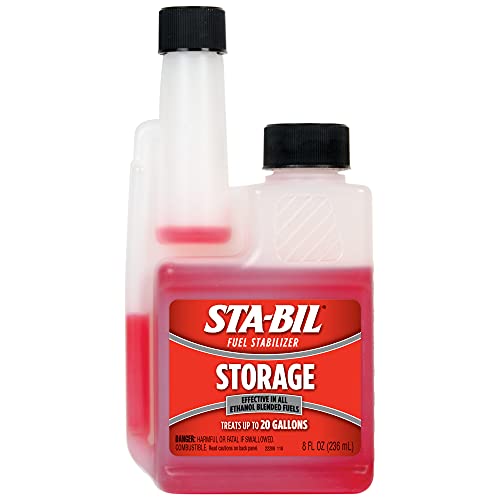
STA-BIL Storage Fuel Stabilizer, 8 oz 12-Pack
- Fuel Preservation: Keeps gasoline fresh for 24 months
- Corrosion Prevention: Protects engine and fuel system from corrosion
- Easy Starts: Ensures quick, reliable engine starts
As an affiliate, we earn on qualifying purchases.
As an affiliate, we earn on qualifying purchases.
Conclusion
Remember, a penny saved is a penny earned. As summer heat rises, fuel evaporates faster, which can lead to increased costs and efficiency issues if you’re not careful. Staying aware of how hot weather impacts your fuel can help you take better care of your vehicle and save money in the long run. So, don’t let the sun burn a hole in your pocket—adapt your habits and keep your vehicle running smoothly all summer long.
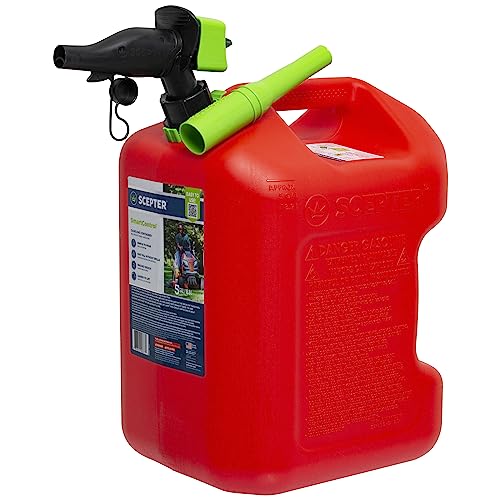
Scepter 5 Gal Gas Can, Spill Proof SmartControl Spout, Spout Extender, Red
- Capacity: 5-gallon fuel container
- Spill-proof Spout: SmartControl controllable flow
- Extended Spout: Spout extender included
As an affiliate, we earn on qualifying purchases.
As an affiliate, we earn on qualifying purchases.
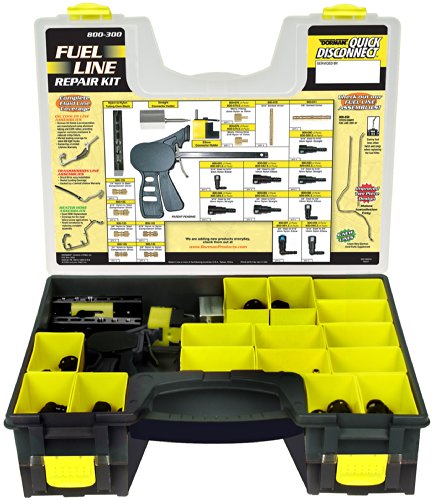
Dorman 800-300 Nylon Fuel Line Repair Kit, 104 Piece Universal Fit
- Professional-quality tool with ergonomic grip: Ergonomic clamp-type grip for ease of use
- Innovative clamp-block design: Simplifies joining nylon to nylon fittings
- Includes straight and elbow connectors: Suitable for various applications
As an affiliate, we earn on qualifying purchases.
As an affiliate, we earn on qualifying purchases.