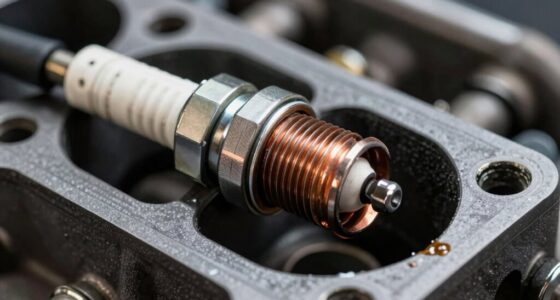
After a long outage run, you should inspect for leaks, corrosion, and worn or loose components to prevent future issues. Check fluid levels, especially oil and coolant, to verify they’re topped up and look for signs of contamination. Test the battery for corrosion and tight connections, and examine air filters for dirt buildup. Also, listen for unusual noises and inspect the exhaust system for leaks. Keep exploring to uncover detailed steps for maintaining system reliability.
Key Takeaways
- Check for leaks, corrosion, and wear on all visible components to prevent future failures.
- Verify fluid levels, especially oil and coolant, and inspect for contamination or leaks.
- Inspect the battery for corrosion and ensure connections are secure; test voltage if possible.
- Examine the exhaust system for blockages, leaks, or unusual noises indicating damage.
- Test safety features, system output stability, and functional indicators to ensure reliable operation.
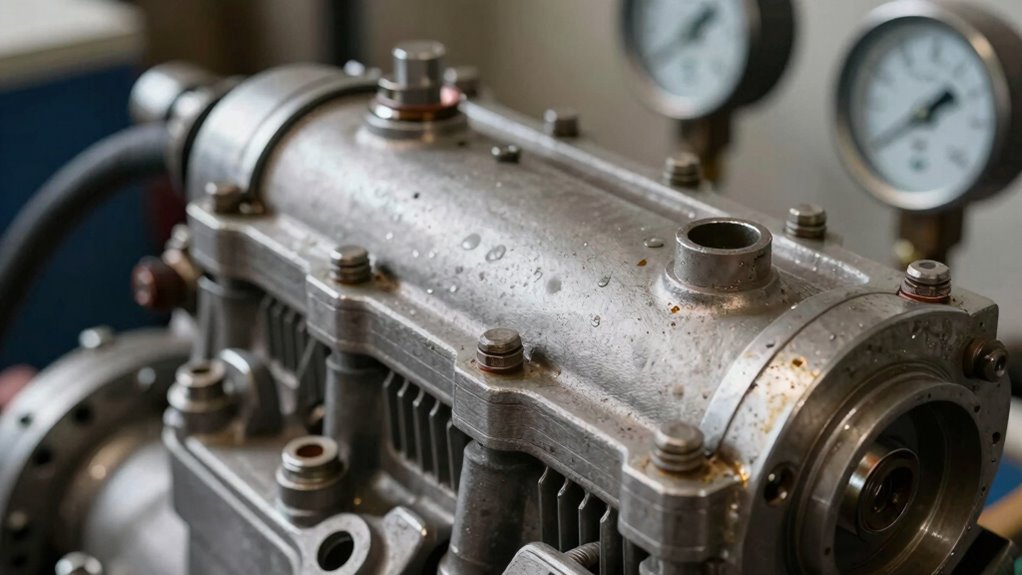
After a long outage run, it’s vital to thoroughly inspect your equipment to guarantee everything is still in prime condition. Extended operation can put stress on your generator, and catching issues early helps prevent unexpected failures. Start by checking the overall appearance of your generator. Look for signs of leaks, corrosion, or any unusual wear. These visual cues can indicate underlying problems that might affect system performance down the line. Make sure all cables, belts, and hoses are intact and securely connected. Loose or cracked components can cause minor malfunctions that escalate into major failures if left unaddressed.
After a long run, inspect for leaks, corrosion, and loose connections to prevent future failures.
Next, focus on the oil and coolant levels. After a prolonged run, oil can degrade or become contaminated, which compromises engine lubrication. Low oil levels or dirty oil can lead to overheating or increased wear, so top off or change the oil if necessary. Similarly, inspect the coolant system for leaks or blockages, ensuring that the cooling process is functioning efficiently. Proper coolant levels are vital to maintaining engine temperature and preventing overheating during future operations. Regularly checking the cooling system components helps identify potential issues early. Additionally, considering coolant quality can assist in maintaining optimal system performance. It’s also beneficial to evaluate overall system health to ensure the generator is operating at peak efficiency.
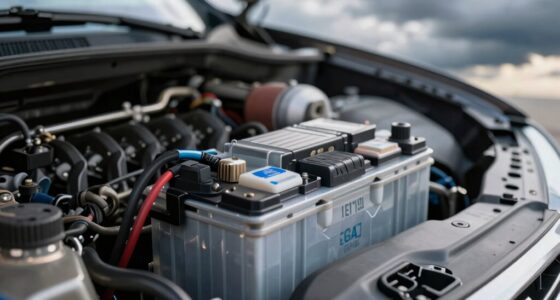
Battery health is another essential aspect of post-run inspection. Extended operation can drain the battery, or cause corrosion on terminals. Test the battery voltage and ensure connections are clean and tight. A weak or failing battery may not start your generator when needed most, so consider replacing it if it shows signs of deterioration. Additionally, examine the air filters; dirt and debris can clog filters during long runs, reducing airflow and impairing system performance. Clean or replace filters to ensure the engine breathes properly, which supports efficient generator maintenance and reliable operation.
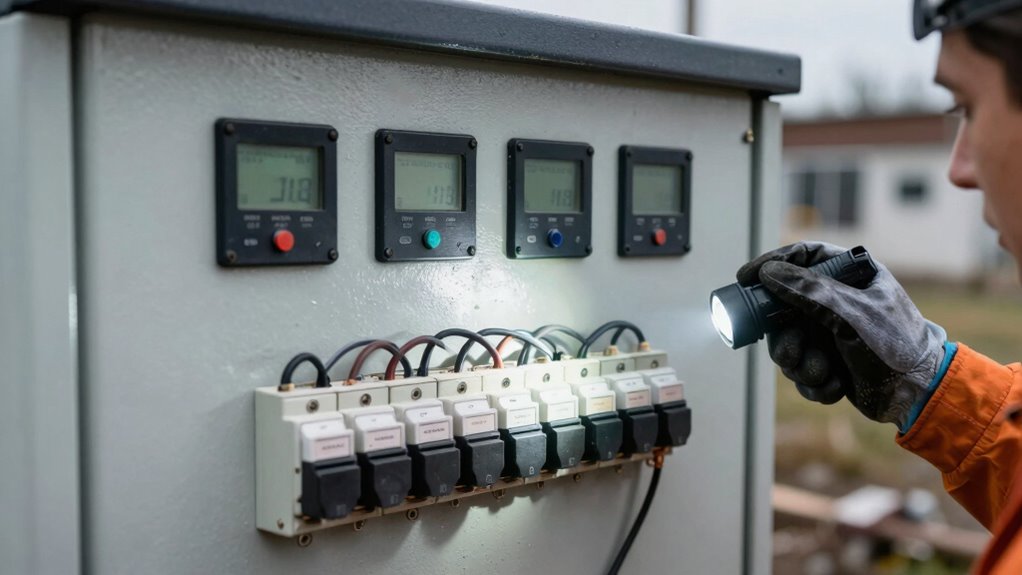
Take time to inspect the exhaust system for blockages or leaks. Exhaust leaks can cause dangerous fumes to escape into the environment, and blockages can lead to increased backpressure, affecting system performance. Listen for any unusual noises during operation, as abnormal sounds often signify mechanical issues that could compromise the generator’s reliability. Test the voltage and frequency output, ensuring the generator maintains stable power delivery. Fluctuations or irregularities here could be signs of internal wear or calibration issues that need immediate attention.
Finally, run a thorough system check, including testing safety features like automatic shutoff mechanisms and emergency controls. Confirm that all gauges and indicators are functioning correctly. Performing these inspections after a long outage run ensures your generator remains dependable, prolongs its lifespan, and helps maintain ideal system performance. Regular post-run checks are the backbone of effective generator maintenance, giving you peace of mind that your equipment is ready to operate efficiently whenever you need it. Additionally, it’s beneficial to review regional climate considerations, as environmental factors can influence maintenance needs.
generator oil and coolant tester
As an affiliate, we earn on qualifying purchases.
As an affiliate, we earn on qualifying purchases.
Frequently Asked Questions
How Often Should Equipment Be Inspected After an Outage?
You should inspect your equipment immediately after a long outage run, then follow up with routine maintenance checks regularly. This helps identify any wear or damage early. Always adhere to safety protocols during inspections to prevent accidents. Depending on the equipment and operational conditions, inspections might be needed more frequently initially, then spaced out as systems prove stable. Consistent inspections guarantee safety, efficiency, and longevity of your equipment.
Are There Specific Safety Precautions to Follow Post-Outage?
Sure, because risking safety is just so thrilling, right? When you return from a long outage, always wear your safety gear—gloves, helmets, eye protection—like it’s your new best friend. Follow emergency procedures meticulously; don’t wing it. Check for hazards, guarantee all systems are safe, and don’t forget to communicate with your team. Safety isn’t optional; it’s the first step to actually getting the job done without turning it into a disaster.
What Tools Are Recommended for Post-Outage Inspections?
You should use a flashlight and mirror for thorough visual inspections, checking for corrosion prevention issues and any signs of wear. A multimeter helps verify electrical connections, while a torque wrench ensures bolts are properly tightened. Use lubrication techniques to reapply grease or oil where needed, preventing corrosion and guaranteeing smooth operation. These tools help you identify potential problems early, maintaining equipment safety and reliability after a long outage run.
How Can I Detect Hidden Damages After a Long Outage?
To detect hidden damages after a long outage, you should carefully examine your equipment for hidden cracks and signs of corrosion. Use non-destructive testing methods like ultrasonic or magnetic particle testing to uncover internal flaws. Conduct a thorough corrosion assessment, especially in areas prone to moisture buildup. Regular visual inspections combined with specialized testing make certain you catch hidden damages early, preventing costly failures and extending your equipment’s lifespan.
When Should Professional Technicians Be Called for Inspection?
You should call professional technicians when your preventive maintenance routines reveal inconsistencies or anomalies, or if emergency protocols are triggered during or after the outage. Don’t wait until things blow up—literally. Rely on experts to thoroughly inspect for hidden damages that you might miss. Their expertise guarantees safety, efficiency, and peace of mind, because sometimes, only a trained eye can catch what your DIY efforts overlook.
generator battery corrosion cleaner
As an affiliate, we earn on qualifying purchases.
As an affiliate, we earn on qualifying purchases.
Conclusion
After a long outage run, you should inspect for leaks, check the oil, and examine the belts. You need to listen for unusual noises, look for wear and tear, and verify all connections are secure. You want to guarantee everything’s clean, functioning, and ready to operate smoothly. By inspecting for leaks, checking fluids, and evaluating parts, you’re safeguarding your equipment’s performance, preventing future issues, and ensuring peace of mind. Stay vigilant, stay prepared, and keep everything in top shape.
As an affiliate, we earn on qualifying purchases.
generator air filter replacement
As an affiliate, we earn on qualifying purchases.
As an affiliate, we earn on qualifying purchases.