
TL;DR

Get backup power and energy gear delivered free with Prime
- Fast, free delivery on millions of items
- Prime Video, Amazon Music and more included
- Member-only deals all year
Dutch residential battery sales have more than doubled in nine months, according to Sunergy Research, as households prepare for net metering to end on Jan. 1. Plug-in batteries have become the largest residential category, while the company says storage could help households use more of their own solar power. The sales figures are company-reported, and actual savings will depend on system size, energy use and electricity prices.
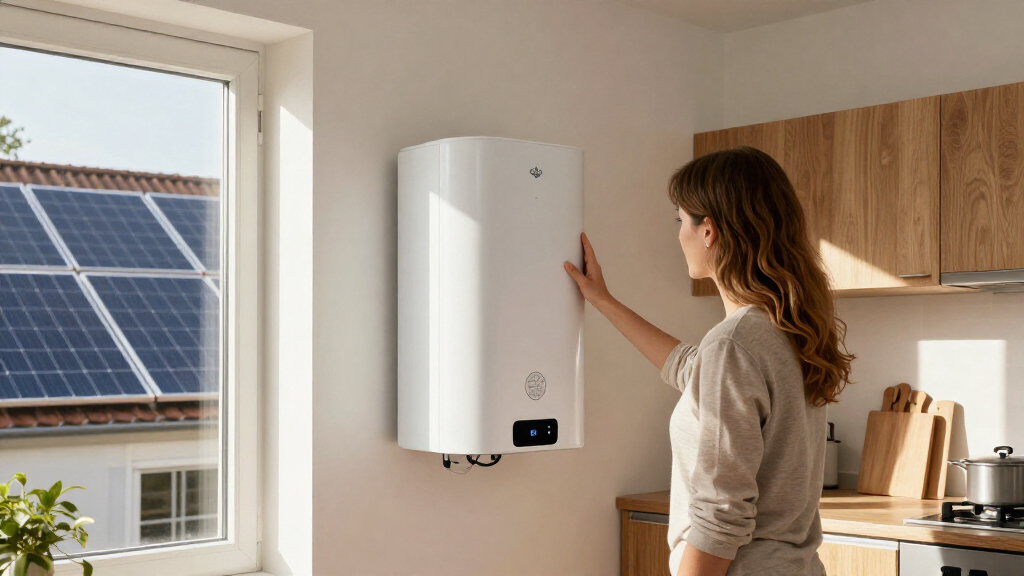
Residential battery sales in the Netherlands more than doubled over nine months as households prepared for the end of the country’s net-metering scheme on Jan. 1, 2027, according to figures from Dutch energy supplier Sunergy Research. The company says plug-in batteries have become the largest category in the market, a shift that may give more households a way to store solar power for later use as export compensation changes.
Sunergy Research said installations of batteries up to 5 kWh were more than four times higher in September than in January. Installations of systems between 5 kWh and 15 kWh nearly tripled over the same period. The company did not provide absolute installation totals in the supplied report, so the figures describe growth rates rather than the number of batteries sold.
Plug-in battery installations, a relatively new segment in the Dutch market, more than doubled over the nine months and made up its largest residential category, Sunergy reported. The company describes these products as an accessible option for some smaller solar installations, while permanently installed systems are aimed at households with greater electricity demand. These are Sunergy’s market findings and guidance; the report does not provide independent verification or a national installation count.
Sunergy’s free, 33-page Home Batteries Selection Guide says plug-and-play systems typically offer about 5 kWh of storage, with prices starting at approximately €1,000. It gives a starting price of about €4,000 for permanently installed batteries, which can range from 5 kWh to 20 kWh. Those prices and recommendations are from the company’s guide, not a guarantee of a suitable system or its return for an individual home.
Why households are buying storage
The sales increase points to households responding to a change in the economics of rooftop solar. Under net metering, solar owners have been able to offset electricity drawn from the grid with electricity they send back. When that arrangement ends, the value of exported power is expected to fall, Sunergy says, making it more consequential for households to use their generation directly or store it for later.
Sunergy Research CEO Rolf Heynen said the average Dutch household uses about 30% of the solar electricity it generates and exports the remaining 70%. He said a home battery could potentially raise self-consumption to around 70%. Those figures and the potential outcome are attributed to Heynen; they should not be read as a guaranteed result for every household. Actual performance depends on solar output, when electricity is used, battery capacity and household demand.
The shift matters to both consumers and the wider energy system because batteries can change when solar power is used or supplied to the grid. But a purchase involves upfront costs, and the benefit depends on tariffs, equipment and usage. Sunergy’s guide cites estimated payback periods of two to 15 years and annual savings of roughly €200 to €1,000 for permanently installed systems. The broad range signals that returns are uncertain, not assured.
Products Worth Considering

Dyson Omni-Glide Cordless Stick Vacuum, Gold/Iron

LEVOIT Vital 200S-P Smart Air Purifier for Large Rooms up to 1875 ft², Quiet 27 dB Operation, AHAM VERIFIDE Certified, Air Quality Monitor,

Philips Hue Festavia 65-Foot Smart LED String Lights, 250 Color-Changing Mini LEDs
As an affiliate, we earn on qualifying purchases.
The shift before net metering ends
The Netherlands’ residential net-metering scheme is scheduled to end on Jan. 1, 2027, just weeks after the Nov. 9 report. Sunergy’s account describes households as facing a more complex solar business case, citing electricity prices, the growing use of dynamic tariffs and public discussion of battery storage. The report also points to variable grid tariffs starting in 2029, but does not provide further detail on how those charges will be designed or affect individual homes.
Sunergy says smaller plug-in batteries are particularly suited to homes with about six solar panels and no heat pump or electric-vehicle charger. Its guide suggests 5 kWh to 10 kWh for typical single-phase installations and 10 kWh to 20 kWh for three-phase systems, depending on household requirements. It says sizing should account for electricity consumption, solar generation, inverter capacity, backup needs and possible electricity trading. These are guide recommendations, not a substitute for a household-specific assessment.
The company also warns that some consumers may be recommended batteries larger than they need, which could weaken investment returns. It points to energy management systems that coordinate solar generation, storage and household consumption, as well as possible income from electricity trading, grid balancing and congestion management. The report does not quantify how much households can earn from those services or establish that they will be available to every battery owner.
“Net metering will end on Jan. 1, and the market will change drastically for consumers.”
— Rolf Heynen, CEO of Sunergy Research, speaking to ESS News
Costs and returns vary by home
The report does not state the total number of batteries installed, the underlying monthly sales data, or whether Sunergy’s figures cover the entire Dutch market. It also does not provide an independent data source against which its reported growth can be checked. The supplied figures therefore establish what Sunergy Research says it observed, but do not by themselves show the national market’s exact size.
Household savings after net metering ends remain uncertain. They will depend on the rules and compensation rates that apply, electricity tariffs, solar output, consumption patterns, equipment costs and how effectively a battery is managed. Sunergy’s estimated payback periods span two to 15 years, and the report does not specify all assumptions behind that range. It is also unclear how many battery owners will be able to access revenue from trading, balancing or congestion-management services.
The supplied report does not detail the final operation of the phaseout or explain how individual contracts will be handled. Nor does it establish that the suggested battery capacities or prices apply to all properties. Buyers should treat the company’s guide as general advice and confirm system compatibility, insurance conditions and installation requirements for their own homes.
What buyers should check next
The scheduled next milestone is the Jan. 1, 2027 end of net metering. As that date approaches, households will need to compare the value of storing solar generation with the upfront cost of a battery and the compensation available for exported electricity. The report does not identify a further government announcement or a subsequent market-data release date.
For consumers weighing a purchase, Sunergy’s guide recommends sizing a battery around actual household use and solar production rather than choosing the largest available unit. It also advises checking inverter and battery compatibility, expandability, backup-power requirements and insurance conditions. The company recommends professional installation and adequate ventilation for permanently installed systems.
Further sales data after the policy change could show whether demand remains elevated or whether purchases were concentrated ahead of the deadline. Until such figures are published, the pace of installations, realized savings and the role of batteries in grid services remain open questions. Readers should distinguish reported market growth from evidence of a particular system’s financial return.
Key Questions
When is Dutch net metering scheduled to end?
The report says the residential net-metering scheme is scheduled to end on Jan. 1, 2027. It does not provide further details about how the change will affect individual contracts or export payments.
How much have residential battery installations increased?
Sunergy Research says overall residential battery sales more than doubled over nine months. Installations of systems up to 5 kWh were more than four times higher in September than in January, while 5 kWh to 15 kWh installations nearly tripled. The report gives growth rates, not absolute installation totals.
Which battery category is largest in the Netherlands?
Sunergy Research says plug-in batteries have become the largest category in the residential market. Its report does not give category sales totals or independent confirmation of that ranking.
How much can a home battery save?
Sunergy’s guide cites annual savings of approximately €200 to €1,000 and payback periods of two to 15 years for permanently installed systems. Those are estimates, not guaranteed returns; savings depend on household use, solar generation, tariffs, system costs and battery management.
What should a household check before buying a battery?
Assess electricity consumption and solar generation, and check the battery’s capacity, inverter compatibility, backup needs, insurance requirements and potential for expansion. Sunergy recommends professional installation for permanently installed systems and says adequate ventilation should be considered.
Source: ess-news.com