
TL;DR

Get backup power and energy gear delivered free with Prime
- Fast, free delivery on millions of items
- Prime Video, Amazon Music and more included
- Member-only deals all year
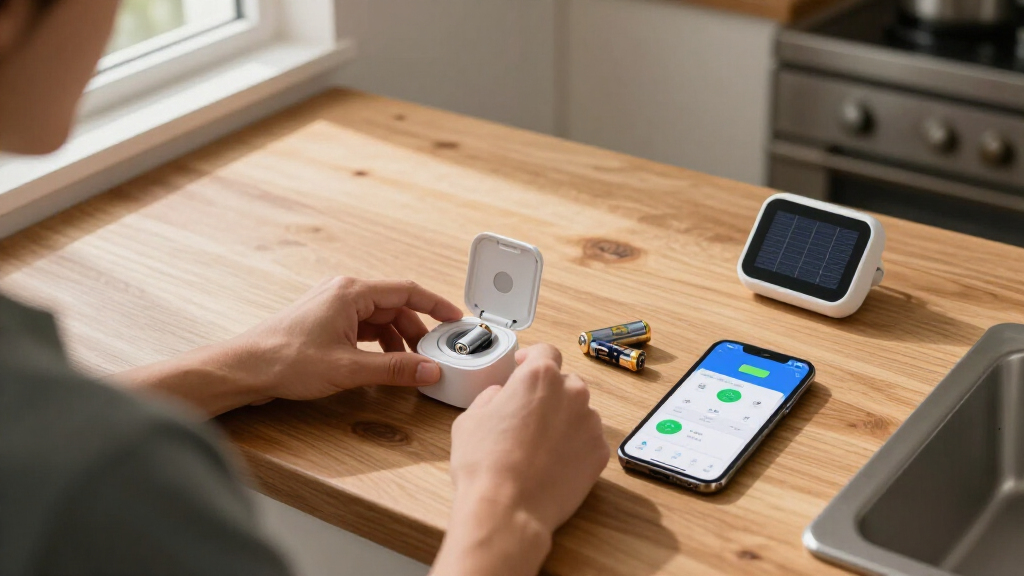
A Matter smart home user found that batteries in two SwitchBot presence sensors died during a difficult month, interrupting room-based fan automations. The account highlights how battery life varies by device and use, and why battery alerts and regular checks matter.
A smart home user says dead batteries in two SwitchBot presence sensors stopped fans from turning on automatically in two frequently used rooms, illustrating how battery-powered Matter devices can interrupt automations when upkeep is missed. The account, published by Matter Alpha, describes a personal experience rather than a controlled test of Matter devices or a general battery-life benchmark.
The writer had installed presence sensors in multiple rooms, alongside other battery-powered devices, including IKEA temperature, humidity and leak sensors and SwitchBot products. The Homey app listed battery levels for many devices in one place, reducing the need to check each sensor by hand. But the writer found that seeing several depleted batteries at once could be overwhelming.
During a month of family mourning, the household missed some routine maintenance. The writer noticed that ceiling fans and SwitchBot floor fans were no longer responding as expected to room occupancy. They later found that the sensors in the living room and dining room had run out of power; the office sensor was at 5% when checked. The report does not say that the devices themselves or the Matter standard failed. It links the automation interruptions to the sensors losing power.
Battery performance differed across the devices in the home. The writer said a SwitchBot Meter Plus and climate sensors from SwitchBot and IKEA were still running, while several presence sensors needed attention. In the writer’s experience, the presence sensors used more power when configured for wider detection range, and frequent movement in a small office also appeared to affect battery life. These observations are specific to that household, not a published estimate of expected battery life.
When Sensor Batteries Interrupt Automations
Battery-powered sensors allow placement without wiring, but the account shows a practical trade-off: an automation depends on its sensor continuing to report data. If a presence sensor loses power, connected routines may stop behaving as expected, even while other parts of a smart home remain online.
For households using many sensors, maintenance can become a recurring task rather than a one-time installation step. A central battery-status screen can help, but it does not replace responding to warnings or checking devices periodically. The report also suggests that device placement, detection settings and how often an area is used may affect battery upkeep, although it offers no controlled measurements to quantify those effects.
battery-powered presence sensors for smart home
As an affiliate, we earn on qualifying purchases.
As an affiliate, we earn on qualifying purchases.
Wired Switches, Battery Sensors
The writer contrasts hardwired Tapo smart switches, which continue to receive power when household electricity is available, with the battery-powered SwitchBot presence sensors. The piece also describes a home containing several kinds of Matter-compatible devices, including IKEA sensors and remotes. It is this mix of powered and battery-operated equipment—not a single product failure—that created a larger maintenance list.
The article is a first-person report from a particular home. It does not establish how long a typical Matter sensor battery lasts, compare products under matching conditions, or show that all Matter devices share the same battery behavior. Matter is the smart-home interoperability standard in the story; the reported issue is the upkeep of individual battery-powered sensors.
“A smart home, despite expectations, doesn’t take care of itself.”
— Matter Alpha report author
smart home battery level indicator
As an affiliate, we earn on qualifying purchases.
As an affiliate, we earn on qualifying purchases.
Battery Life Varies by Home
The report provides no battery test results, controlled comparisons, or exact operating durations for the sensors that ran out of power. It is unclear how much of the difference came from room size, detection range, activity, device settings or other factors. The writer’s observations should not be treated as a standard battery-life estimate for SwitchBot products, IKEA devices or Matter sensors generally.
The account also does not identify a software defect or a broader Matter problem. It describes two sensors losing power and the resulting effect on that household’s routines. Whether other users will see similar battery performance depends on their devices and use, and is not established by the source.
replacement batteries for SwitchBot sensors
As an affiliate, we earn on qualifying purchases.
As an affiliate, we earn on qualifying purchases.
Track Alerts and Battery History
The writer recommends keeping battery notifications enabled, while disabling noisier alerts that do not help with maintenance. Replacing a battery when a sensor reaches 10% or 20%, rather than waiting for it to hit zero, could give a household more time to act, the article says.
Users can also review battery-level history in their smart-home apps to get a better sense of how quickly particular devices drain under their own conditions. The source gives no announced product changes or follow-up test results. For now, the practical next step described is to monitor each sensor, respond to low-battery warnings and check whether placement or detection settings need adjustment.
automated home fan control sensors
As an affiliate, we earn on qualifying purchases.
As an affiliate, we earn on qualifying purchases.
Key Questions
What happened to the smart home automations?
The writer says fans stopped starting automatically in two frequently used rooms after the presence sensors there ran out of battery.
Does the report show that Matter itself failed?
No. The account attributes the interrupted routines to depleted sensor batteries. It does not report a failure of the Matter standard or establish a broader software problem.
How long did the sensors’ batteries last?
The report does not give exact operating durations for the failed presence sensors. The writer notes that battery life varied among devices and appeared affected by detection range and room activity.
How can users avoid similar interruptions?
The writer recommends keeping battery alerts enabled, replacing batteries before they are fully depleted and checking battery history in the smart-home app.
Source: rss
Fall Picks
fall essentials
As an affiliate, we earn on qualifying purchases.