
TL;DR

Get backup power and energy gear delivered free with Prime
- Fast, free delivery on millions of items
- Prime Video, Amazon Music and more included
- Member-only deals all year
Portable inverter generators create stable, low-THD electricity ideal for sensitive electronics. They are quieter, more fuel-efficient, and lighter than traditional models, making them perfect for camping, home backup, or outdoor work. Choosing the right size and features ensures safe, reliable power wherever you go.
Calculate total wattage carefully, including surge needs, and add 20–25% headroom for reliability.
Choose a generator with low THD (<3%) for safe operation of sensitive electronics like laptops and medical devices.
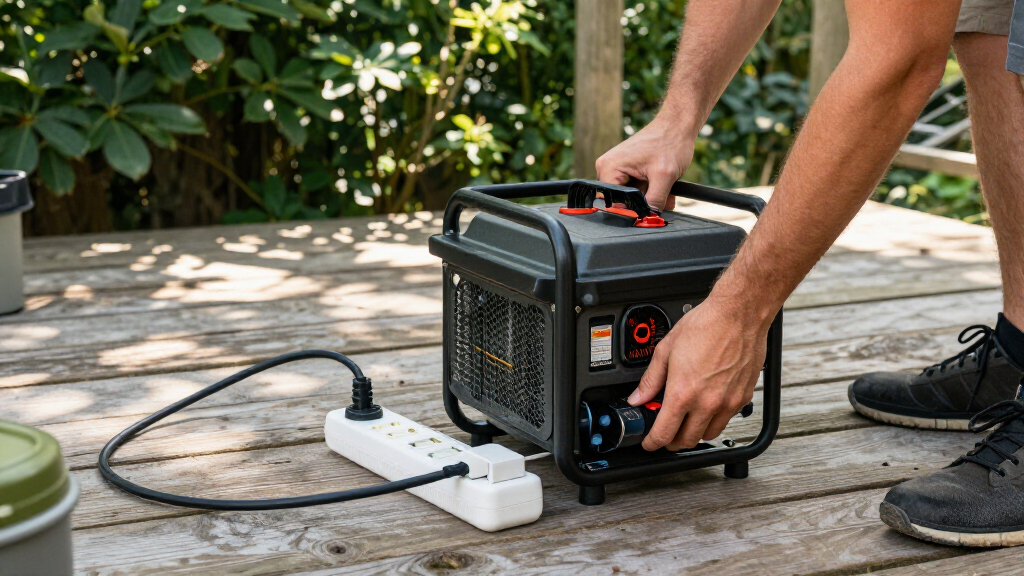
Always operate your inverter generator outdoors, well away from doors and windows, to prevent dangerous CO buildup.
Regular maintenance—oil changes, filter cleaning, and load testing—keeps your generator dependable.
Compare features like parallel capability, noise levels, and fuel options to find the best fit for your specific needs.
How Inverter Generators Make Power Safer and Smoother
Inverter generators produce electricity in three steps. First, the engine creates high-frequency AC power. Then, electronics convert this to direct current (DC). Finally, the inverter transforms DC back into stable AC power. This process results in power with less than 3% THD, making it safe for delicate electronics.
Think of it like a chef blending ingredients: the raw power is cooked and refined into a perfect, smooth sauce. This ‘refined’ power means no flickering screens, no buzzing speakers, and no worries about damaging your gadgets. Many models even adjust engine speed based on demand, saving fuel and reducing noise. The importance of this process lies in its ability to provide a consistent, reliable power source—crucial when powering sensitive electronics that cannot tolerate fluctuations or surges. By understanding this, consumers can appreciate why inverter generators are often more expensive but worth the investment for peace of mind and device safety.
portable inverter generator for camping
As an affiliate, we earn on qualifying purchases.
As an affiliate, we earn on qualifying purchases.
Picking the Right Size: How Much Power Do You Need?
Getting the right size means calculating what you’ll run at once. Add up the wattage of all devices—lights, fridge, phone chargers, small tools—and then add a buffer of 20–25% for safety and unexpected needs. This ensures your generator isn’t maxed out constantly, which shortens its lifespan and causes stress. But beyond simple math, consider the implications of underestimating your needs. If your generator is too small, you risk overloads, frequent shutdowns, or even damage to your appliances. Conversely, oversizing means unnecessary expense and weight, making portability a challenge. The goal is to find a balance—adequate power without excess bulk—so you can operate efficiently and safely. For example, a weekend camper might only need 1,500 watts for lights, a small fridge, and charging devices, but if they plan to run a microwave or power tools, they should consider a larger unit. For homeowners, understanding the startup surge of appliances like refrigerators or air conditioners is essential, as these surges can be 2-3 times the running wattage, demanding a generator with sufficient surge capacity. In essence, precise sizing minimizes risk, maximizes efficiency, and ensures your power needs are met without compromise.
quiet inverter generator for home backup
As an affiliate, we earn on qualifying purchases.
As an affiliate, we earn on qualifying purchases.
Compare Features Before Buying: What Matters Most?
| Feature | Why It Matters |
|---|---|
| Continuous & Surge Watts | Ensuring your generator can handle both the steady running power and the initial surge when devices start up is critical. Underestimating surge capacity can lead to appliance malfunctions or shutdowns. Proper matching prevents overloads and prolongs generator lifespan, especially when powering devices with high startup demands like refrigerators or power tools. |
| 120V vs. 120/240V | This determines whether you can power larger appliances or connect multiple units in parallel for increased output. A dual-voltage capability offers flexibility, allowing you to run both small electronics and heavy-duty appliances, but it also involves more complex wiring and potentially higher costs. Understanding your needs helps you choose the right configuration for both convenience and safety. |
| THD & Power Quality | Low THD (<3%) is essential for sensitive electronics because high harmonic distortion can cause overheating, data corruption, or permanent damage. Choosing a generator with a low THD ensures your devices operate smoothly and reduces the risk of silent damage that might not be immediately apparent but can shorten their lifespan over time. |
| Fuel Type & Runtime | Options like gasoline, propane, or dual-fuel systems influence convenience, cost, and operational flexibility. For example, propane can be stored longer and burns cleaner, while gasoline may be more readily available. Runtime determines how long you can operate the generator between refills—crucial during extended outages or remote trips. Balancing fuel availability, cost, and runtime helps you select a model that aligns with your usage patterns. |
| Noise Level | Measured in decibels (dBA), noise level impacts where and when you can run your generator comfortably. Quieter models (around 50-60 dBA) are ideal for camping or residential areas, minimizing disturbance. Higher noise levels (above 70 dBA) might be acceptable for construction sites but are less suitable for quiet environments. Recognizing the tradeoff between power output and noise helps tailor your choice to your environment. |
| Portability & Size | Weight, handles, and wheels influence how easily you can transport and store your generator. A heavier unit may be more durable but less portable, while lighter models sacrifice some robustness for ease of movement. Consider your typical use cases—backpacking, RV trips, or home backup—and choose features that match your mobility needs. |
| Additional Features | Features like parallel capability, remote start, CO shutoff, and GFCI outlets enhance usability and safety. Parallel capability allows connecting multiple units for more power, but requires compatible models. Remote start adds convenience, especially in cold weather. CO shutoff sensors prevent dangerous buildup of carbon monoxide, while GFCI outlets protect against electrical shocks. Prioritizing these features ensures your generator offers both flexibility and safety in diverse scenarios. |
inverter generator for sensitive electronics
As an affiliate, we earn on qualifying purchases.
As an affiliate, we earn on qualifying purchases.
Frequently Asked Questions
What size inverter generator do I need?
Add up all the wattages of devices you plan to run simultaneously, include the largest starting surge, then add 20–25% for safety. This ensures your generator can handle your needs without strain.Can I run my refrigerator on an inverter generator?
Yes, as long as the generator’s surge wattage exceeds the refrigerator’s startup requirement, which can be 2–3 times its running wattage. Most inverter models support this comfortably.Is inverter power safe for my electronics?
Generally, yes. Quality inverter generators produce low THD (<3%), which is safe for sensitive devices like computers, TVs, and sound systems. Always check the specifications to be sure.Can I connect two inverter generators for more power?
Only if the models are designed for parallel operation and use an approved parallel kit. Not all units are compatible, and connecting mismatched units can cause damage or safety issues.How far should I keep the generator from my house?
Place it at least 15 feet away, in a well-ventilated outdoor spot, with exhaust directed away from windows, doors, and vents. Never operate inside an enclosed space.best inverter generator with parallel capability
As an affiliate, we earn on qualifying purchases.
As an affiliate, we earn on qualifying purchases.
Conclusion
A portable inverter generator is more than just a backup power source—it’s your reliable companion for adventures and emergencies alike. Respect its power, follow safety rules, and keep it well-maintained. Then, wherever you need power, you’ll have a trusted, quiet partner ready to go.Halloween Picks
halloween
As an affiliate, we earn on qualifying purchases.