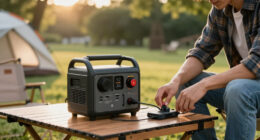

To create a simple generator service log, start by setting up a clear template that includes fields for model and serial numbers, location, and dates of service. Track maintenance tasks like oil changes, inspections, and repairs, noting what was done and when. Record any issues, troubleshooting steps, and technician notes. Keep the log organized and update it regularly to guarantee smooth operation. Continuing will help you discover more tips for efficient management.

Get backup power and energy gear delivered free — and shop member deals
- Fast, free delivery on millions of items
- Access to Prime Big Deal Days deals on October 6–7
- Prime Video, Amazon Music and more included
Key Takeaways
- Include essential details such as generator model, serial number, location, and service dates for easy identification.
- Record maintenance tasks, oil changes, and upcoming schedules to ensure proactive servicing.
- Document any faults, troubleshooting steps, and resolutions for future reference and diagnostics.
- Keep technician notes on component conditions, recommendations, and overall generator health.
- Organize logs digitally or physically, review regularly, and maintain compliance for longevity and safety.
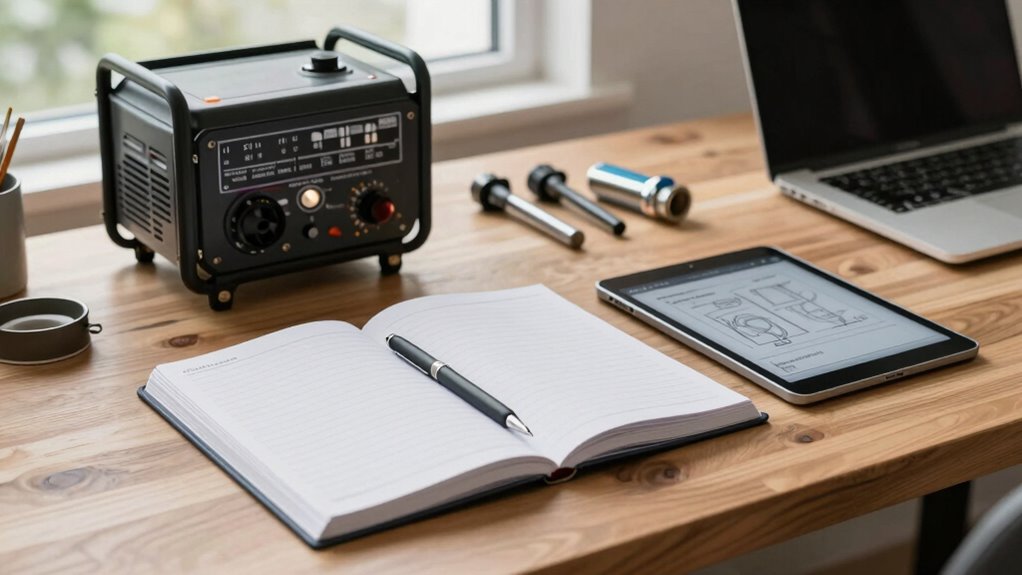
Keeping a detailed generator service log is essential for maintaining reliable operation and preventing unexpected failures. When you track maintenance scheduling, you guarantee that all necessary tasks are completed on time, reducing the risk of breakdowns caused by neglected upkeep. A well-organized log helps you plan routine inspections, filter changes, oil top-offs, and other maintenance activities, so nothing slips through the cracks. It also provides a clear history of what’s been done, making it easier to identify patterns that could signal potential issues before they become serious problems.
When creating your generator service log, start by including basic information such as the generator’s model number, serial number, location, and the date you’re recording the entry. This foundational data helps you quickly identify the specific unit and track its service history over time. Next, designate a section for maintenance scheduling. Here, you should note upcoming tasks based on the manufacturer’s recommendations or your operational needs. For example, if your generator requires oil changes every 250 hours of operation, record the last service date and the next scheduled date. This proactive approach keeps your generator running smoothly and reduces unexpected downtime.
Fault reporting should be a core part of your log. Whenever you notice an issue—such as unusual noises, power fluctuations, or difficulty starting—you need to document it immediately. Clearly describe the problem, including when it started, under what conditions, and any initial troubleshooting steps you’ve taken. This detailed fault reporting allows you or a technician to quickly assess the situation during maintenance visits and prevents misdiagnosis or missed problems. Always record the resolution or repair performed, along with parts replaced or adjustments made, so you have a thorough history that can help inform future troubleshooting.
In addition, include a section for technician notes or observations. If someone inspects or repairs the generator, they should document what was checked, the condition of components, and any recommendations for future action. This ongoing documentation creates a useful reference for ongoing maintenance and helps you track the overall health of your generator over time. Being aware of high contrast ratios and their impact on image quality can help you better assess the performance and condition of your generator’s visual displays. Keeping an accurate record of maintenance history also supports compliance with safety standards and manufacturer warranties. Additionally, maintaining detailed records aligns with best practices in preventive maintenance, ensuring the longevity of your equipment. Regularly reviewing the log can also help you identify water usage trends that might indicate leaks or inefficiencies, which is vital for overall operational costs.
Finally, keep your log accessible and up-to-date. Whether you prefer a physical binder or a digital spreadsheet, make sure it’s organized, easy to update, and stored in a safe place. Regularly reviewing the log ensures you stay on top of scheduled maintenance and can quickly address any faults or concerns as they arise. Having accurate and detailed records is vital for effective troubleshooting and long-term maintenance planning. By diligently maintaining your generator service log, you safeguard your equipment’s performance and extend its lifespan.
As an affiliate, we earn on qualifying purchases.
Frequently Asked Questions
What Tools Are Best for Maintaining a Generator Service Log?
You should use digital tools like spreadsheets or specialized maintenance software for generator maintenance and log organization. These tools make it easy to record service dates, issues, and repairs efficiently. Consider apps like Google Sheets or maintenance management systems that allow quick updates and easy tracking. Using these tools guarantees your generator’s service log stays organized, accessible, and up-to-date, helping prevent issues and extend your equipment’s lifespan.
How Often Should I Review the Generator Service Log?
Think of your generator log as a health journal—review it regularly to catch issues early. You should check it at least monthly to keep up with maintenance scheduling and fuel consumption tracking. Regular reviews help you spot patterns, optimize performance, and prevent unexpected breakdowns. By staying proactive, you guarantee your generator stays reliable, just like maintaining your own health through consistent checkups.
Can I Automate the Log-Keeping Process?
Yes, you can automate the log-keeping process for generator maintenance. Implementing log automation tools or software helps you track maintenance activities, service dates, and performance data effortlessly. By automating your generator maintenance logs, you reduce manual errors, save time, and guarantee consistent record-keeping. This way, you stay on top of necessary servicing, improve reliability, and streamline your overall generator management without constantly updating logs manually.
What Details Are Essential to Include in the Log?
You should include details like maintenance schedules and emergency procedures in your log. These elements are essential because they help track routine upkeep and prepare you for unexpected issues. By recording dates, performed tasks, and any anomalies, you guarantee safety and efficiency. Coincidentally, keeping these details organized makes troubleshooting easier and helps schedule future maintenance, ultimately extending your generator’s lifespan and reducing downtime.
How Do I Handle Missing or Incomplete Entries?
When handling missing or incomplete entries, you should prioritize maintaining entry consistency and record accuracy. Cross-check entries with maintenance schedules or system logs to identify gaps. If you find discrepancies, update the log promptly with accurate details and note any reasons for missing data. Regularly review logs to ensure consistency, and implement procedures to prevent future incomplete entries, keeping your generator service record dependable and thorough.
generator service record template
As an affiliate, we earn on qualifying purchases.
As an affiliate, we earn on qualifying purchases.
Conclusion
By now, you’ve got the secret recipe to create a generator service log that’s so simple, even a monkey could do it—and probably better! With this log, you’ll track every spark and sputter, preventing disasters before they strike. Say goodbye to chaos and hello to peace of mind, knowing your generator’s secrets are all neatly recorded. Get ready to become the superhero of your own power station—because nothing beats a perfectly documented generator!
As an affiliate, we earn on qualifying purchases.
As an affiliate, we earn on qualifying purchases.
Fall Picks
fall essentials
As an affiliate, we earn on qualifying purchases.