When your generator is slightly overloaded, it works harder than designed, causing efficiency drops and faster wear on key parts like the fuel pump and carburetor. It can also make startup more difficult, strain the engine, and produce excess heat that shortens the generator’s lifespan. Over time, small overloads can lead to breakdowns, costly repairs, and unreliable power during outages. Keep watching to discover how proper load management can prevent these issues and keep your generator running smoothly.
Key Takeaways
- Slight overload reduces fuel efficiency and accelerates wear on parts like the fuel pump and carburetor.
- It causes difficulty in engine startup and can lead to repeated strain or damage.
- Overheating may occur, damaging wiring and metal components over time.
- Reliability decreases, increasing the risk of breakdowns and unprotected power during outages.
- Maintaining load within limits prevents long-term damage and ensures consistent generator performance.
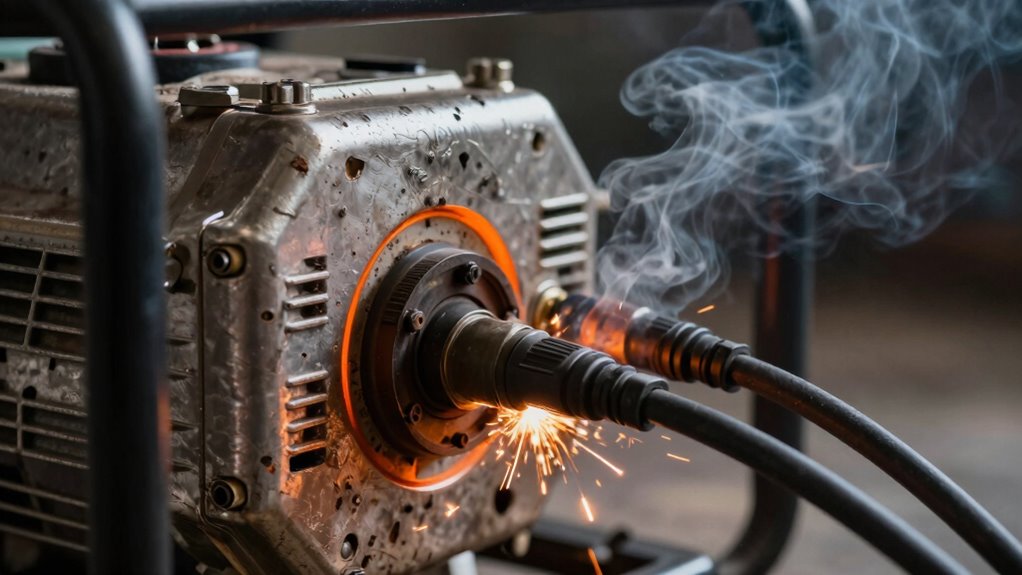
When a generator becomes overloaded, it can experience a range of damaging effects that threaten its reliability and lifespan. Even a slight overload pushes the system beyond its designed capacity, causing stress on essential components. One of the immediate issues you might notice is a decline in fuel efficiency. Overloading forces the generator to work harder than intended, consuming more fuel to sustain the increased load. This not only raises your operating costs but also accelerates wear and tear on parts like the fuel pump and carburetor, which aren’t built to handle the extra strain. As a result, your generator may seem to run longer to produce the same amount of power, wasting fuel and increasing the risk of breakdowns.
Overloading a generator reduces fuel efficiency and accelerates wear on key components, risking costly damage and breakdowns.
Startup issues are another common problem when a generator is slightly overloaded. When you turn it on, the initial surge of power needed to start appliances or equipment can become problematic. The extra load makes it harder for the engine to reach the necessary RPMs, causing difficulty or even failure to start. This is especially true if the overload persists, as the engine struggles to overcome the added resistance. You might notice that the generator stalls or runs unevenly during startup, which can be frustrating and potentially damage the engine further. Repeated startup problems can also be exacerbated by overloading, leading to more serious issues such as worn brushes, damaged starter motors, or overheating components. Additionally, load management plays a crucial role in preventing these startup complications and preserving the health of your generator. Proper load management can also help prevent overheating, which is a common consequence of sustained overloads.
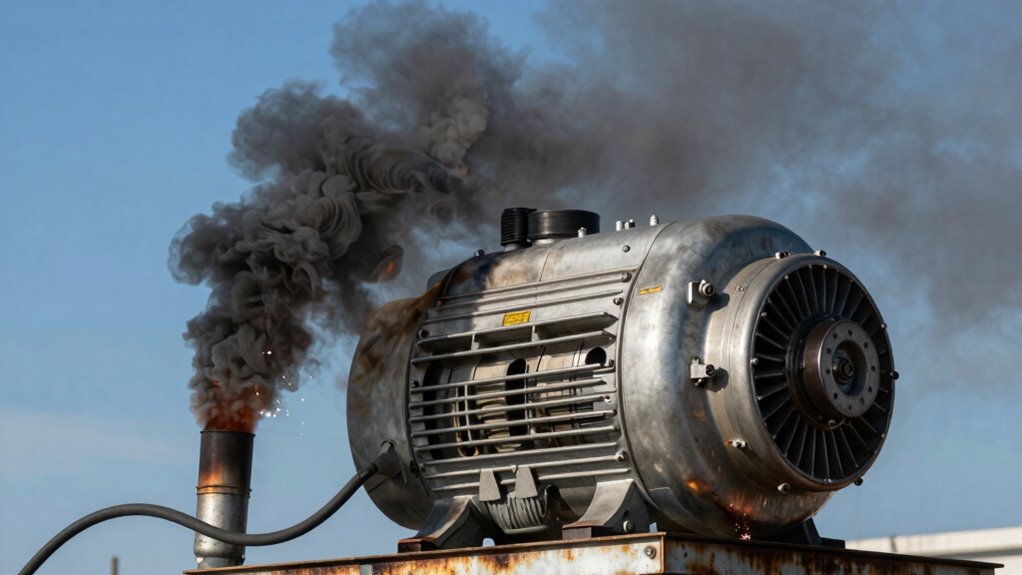
Beyond startup and fuel efficiency concerns, sustaining an overload can cause overheating. When the generator runs beyond its capacity, the internal components generate excessive heat. This heat accelerates the breakdown of insulation on wires and can warp metal parts, decreasing the overall lifespan of your equipment. Persistent overheating can also trip circuit breakers or blow fuses, resulting in unexpected shutdowns that leave you unprotected during power outages. If you ignore these signs, the damage becomes more severe, and repairs can become costly. Additionally, overloading can lead to permanent damage if not addressed promptly, further emphasizing the importance of load management. Properly monitoring and regulating your load is essential to prevent these long-term issues and maintain efficient operation. Recognizing the signs of overload early, such as unusual noises or persistent tripping, can help you take swift action to mitigate damage.
In essence, even a slight overload isn’t something to dismiss. It compromises the generator’s fuel efficiency, hampers startup performance, and increases the risk of long-term damage. To keep your generator running smoothly and extend its life, always adhere to the manufacturer’s recommended load limits. Regular maintenance and load management are vital in preventing overload conditions and ensuring reliable, efficient operation when you need it most.

2Pcs Thermal Overload Protectors Fits Air Conditioner Compressor Universal Applicable for 3HP 2250W AC RV System Dehumidifier Overheating Protecting with Wire and Plug Sleevees
- Wide Compatibility: Fits AC, RV, dehumidifiers, compressors
- Premium Materials: Wear-resistant, durable, stable performance
- Complete Protection: Includes wire and plug sleeves for durability
As an affiliate, we earn on qualifying purchases.
As an affiliate, we earn on qualifying purchases.
Frequently Asked Questions
How Can I Tell if My Generator Is Overloaded?
You can tell if your generator is overloaded by watching for power fluctuations or abnormal shutdowns. If lights dim or flicker, or if the generator suddenly stops, it’s a sign you’ve exceeded its capacity. Use load management techniques, like unplugging unnecessary devices, to prevent overloads. Regularly monitor the load on your generator, and consider installing a gauge or monitor to keep track of your power usage and avoid potential damage.
What Are the Long-Term Consequences of Frequent Overloads?
Frequent overloads can turn your generator into a ticking time bomb, causing severe damage over time. It can lead to costly repairs, reduced lifespan, and even complete failure. To avoid this, prioritize regular generator maintenance and overload prevention. Ignoring these issues accelerates wear and tear, risking your power supply and wallet. Stay proactive, monitor your load, and guarantee your generator remains reliable for the long haul.
Can Overloads Cause Electrical Fires?
Overloads can indeed cause electrical fires by overheating wiring and components. When your generator is overloaded, it strains the system, increasing the risk of sparks and shorts that ignite nearby materials. To prevent this, prioritize overload prevention by not exceeding the generator’s rated capacity and regularly inspecting wiring. Taking these steps helps protect your equipment and reduces the potential for dangerous electrical fires.
How Does Overload Affect Generator Fuel Efficiency?
Overloading your generator causes fuel consumption to increase because it works harder to meet higher power demands. This efficiency decline means you’ll use more fuel than necessary, leading to higher operating costs. When a generator is slightly overloaded, it may still run, but its engine strains, reducing fuel efficiency and potentially shortening its lifespan. To save fuel and keep your generator running smoothly, avoid exceeding its recommended capacity.
Is It Safe to Reset a Generator After Overload?
Resetting a generator after an overload can be safe if you guarantee proper generator maintenance and overload prevention measures. About 60% of generator failures stem from overload issues, so it’s essential to address the root cause first. Before resetting, let the generator cool down and check for damage. If you’re confident there’s no harm, you can reset it. Always follow manufacturer instructions and consult a professional if unsure.

Briidea 50 Amp Smart Management Module (SMM), Load Management Device to Protect Generator from Overload, Gray
- Optimized Power Management: Efficiently manage large appliances without upgrading
- Automatic Overload Protection: Monitors frequency and shuts down circuits automatically
- Load Prioritization: Prioritizes essential circuits during outages
As an affiliate, we earn on qualifying purchases.
As an affiliate, we earn on qualifying purchases.
Conclusion
Just like trying to keep a boat afloat with a heavy load, pushing your generator slightly over its limit can cause it to strain and falter. I once saw a neighbor’s generator sputter to a halt during a storm, reminding me how even a small overload can tip the balance. Keep your generator within its capacity, and it’ll serve you reliably, much like a sturdy ship that stays afloat—no matter how rough the seas.

Westinghouse 12500 Watt Dual Fuel Home Backup Portable Generator, Remote Electric Start, Transfer Switch Ready, Gas and Propane Powered
- Power Output: 9500W running, 12500W peak (Gas)
- Fuel Options: Gasoline and propane powered
- Starting Mechanism: Remote, electric, and recoil start
As an affiliate, we earn on qualifying purchases.
As an affiliate, we earn on qualifying purchases.

mxuteuk 2Pcs 30Amp Circuit Breakers Push Button Manual Reset 125/250V AC 50V DC, L1 Series Overload Protector Switch Thermal Circuit Breakers with Waterproof Button Caps L1-ls-30A
- Product Type: Manual Reset Circuit Breaker
- Voltage Compatibility: 125/250V AC, 50V DC
- Current Rating: 25A
As an affiliate, we earn on qualifying purchases.
As an affiliate, we earn on qualifying purchases.