
Proper storage conditions do more than keep your items looking good; they also safeguard their structure, chemistry, and lifespan. Temperature fluctuations cause materials to expand, contract, and weaken, leading to cracks or warping. High humidity encourages mold, pests, and decay, while low humidity makes organic materials brittle. If you overlook these factors, your belongings can deteriorate faster and lose value. Keep conditions stable, and you’ll guarantee your possessions remain effective and collectible for years to come.

Get backup power and energy gear delivered free with Prime
- Fast, free delivery on millions of items
- Prime Video, Amazon Music and more included
- Member-only deals all year
Key Takeaways
- Temperature fluctuations cause physical stress and chemical changes, damaging structural integrity beyond just appearance.
- Excess humidity promotes mold, mildew, and pests, threatening both aesthetics and material stability.
- Rapid environmental changes accelerate deterioration of electronic and organic materials internally.
- Poor storage conditions lead to irreversible damage like warping, cracking, and fading, affecting functionality and value.
- Controlled environments preserve both the visual quality and the underlying structural and chemical properties of items.
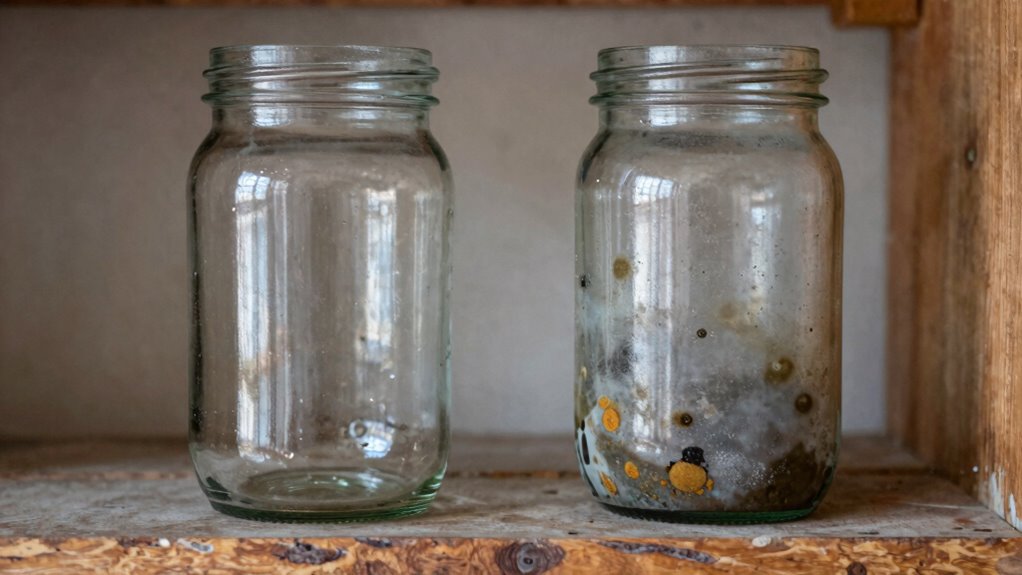
Have you ever wondered how storage conditions can affect the quality and longevity of your belongings? It’s more than just keeping things out of sight—it’s about creating the right environment to preserve their value over time. One of the key factors is temperature fluctuations, which can cause materials to expand and contract. These continuous shifts may weaken the structural integrity of items like wood furniture or delicate fabrics, leading to cracks, warping, or tears. Sudden changes in temperature can also accelerate the deterioration of items like photographs, artwork, or sensitive electronics, making them less vibrant or even irreparably damaged. Maintaining a consistent temperature minimizes these risks, ensuring your belongings stay in better shape for longer.
Humidity control plays an equally crucial role. Excess moisture can promote mold, mildew, and pest infestations, which threaten both the appearance and integrity of your possessions. On the other hand, too little humidity can cause organic materials like wood, paper, and leather to dry out and become brittle. This imbalance can lead to cracking, warping, or crumbling, especially in environments with high humidity or dry climates. Proper humidity control helps create a stable environment, preventing these issues from developing. Using dehumidifiers or humidifiers, depending on your storage space, allows you to fine-tune the moisture level, preserving the natural qualities of your belongings.
Beyond appearance, these conditions directly impact the functionality and lifespan of your stored items. For example, electronics stored in a humid environment risk corrosion, while books and documents can suffer ink fading or paper deterioration. Even clothing and textiles can suffer from mold or mildew if stored improperly. The key is to understand that storage conditions influence everything from physical structure to chemical stability. When you control temperature fluctuations and humidity levels, you’re actively protecting your possessions from the unseen forces that cause aging and damage. This proactive approach not only extends the lifespan of your belongings but also saves you money and effort in repairs or replacements down the line.
In essence, paying attention to storage conditions isn’t just about keeping things tidy. It’s about safeguarding your investments and memories. By managing temperature fluctuations and humidity control, you create an environment that promotes longevity and preserves the quality of your belongings, allowing you to enjoy them for years to come.
Products Worth Considering

Google Nest Learning Thermostat (4th Gen) with Nest Temperature Sensor (2nd Gen), Obsidian

Philips Hue Play HDMI Sync Box

TCL 85-Inch QM6K QLED Mini LED 4K HDR Smart Google TV, 144Hz
As an affiliate, we earn on qualifying purchases.
Frequently Asked Questions
How Do Storage Conditions Impact Nutrient Content?
You might not realize it, but your storage environment directly impacts nutrient content by causing nutrient degradation. Poor conditions like exposure to light, heat, or moisture accelerate the breakdown of vitamins and minerals. When you store food improperly, you risk losing essential nutrients, making your food less nutritious. To preserve nutrient content, keep foods in a cool, dark, and dry place, minimizing nutrient degradation and ensuring you get maximum health benefits.
Can Improper Storage Cause Food to Become Toxic?
Yes, improper storage can cause food to become toxic. When you don’t store food properly, it can develop harmful bacteria or molds, which may produce toxins. Poor storage conditions often lead to unpleasant storage odors and changes in food texture, signaling spoilage. Consuming spoiled food can make you sick. Always keep food in sealed containers in cool, dry places to prevent toxins and maintain freshness.
What Are the Hidden Risks of Poor Storage?
Think of poor storage like a runaway steamboat—dangerous and unpredictable. You risk more than spoilage; hidden risks include bacterial growth, mold, and nutrient loss. Storage humidity can create perfect conditions for microbes, while poor container hygiene invites contamination. These issues may not be visible but can cause foodborne illnesses or reduce food quality, putting your health at serious risk. Proper storage safeguards your food and well-being.
Do Storage Conditions Affect Shelf Life Significantly?
Storage conditions greatly affect shelf life, especially when it comes to packaging safety and storage temperature. If you keep products at the right temperature, you prevent spoilage and maintain quality longer. Poor storage temperature can cause bacteria growth or chemical changes, shortening shelf life. Proper packaging safety also protects contents from contamination and environmental damage. So, by controlling storage temperature and ensuring proper packaging, you extend the product’s freshness and usability.
How Can I Tell if Stored Food Is Still Safe?
You can tell if stored food is still safe by checking for signs like unusual odor, sliminess, or discoloration, which indicate spoilage. Trust your senses—if something seems off, discard it. Proper food preservation relies on effective storage techniques, like maintaining correct temperatures and humidity levels. Always follow recommended guidelines to prevent bacteria growth and guarantee your food remains safe to eat. When in doubt, it’s better to be cautious.
Conclusion
Remember, proper storage isn’t just about keeping things looking good—it’s about preserving quality and safety. For example, studies show that improper storage can reduce the freshness of produce by up to 50% within just three days. So, next time you store food or valuables, pay attention to temperature, humidity, and placement. Small changes can make a big difference in extending shelf life and maintaining value, saving you money and reducing waste.