Whole house standby generators vary most in how much of your home they can support, whether a transfer switch is included, and how they connect for monitoring. I rank the Generac Guardian 22kW as the best overall choice for its balanced capacity and bundled transfer switch with WiFi monitoring. The 28kW model is the standout for buyers planning broader coverage, while the 10kW model suits a more limited, load-managed backup plan. The main tradeoff is paying for more output and included equipment versus sizing the system around essential circuits. Read on for how the nine options compare and which configuration fits your home.

Get backup power and energy gear delivered free with Prime
- Fast, free delivery on millions of items
- Prime Video, Amazon Music and more included
- Member-only deals all year
Complete the kit


Key Takeaways
- The 22kW Guardian leads the balanced-use case: it pairs mid-to-high output with a transfer switch and WiFi monitoring, while several other 22kW listings do not specify both in the product name.
- The 28kW model is the lineup’s capacity leader: it is the clearest fit for buyers seeking wider household coverage, though a larger unit may be more generator than an essentials-only plan needs.
- Transfer switch inclusion is a meaningful dividing line: the 22kW Guardian and 10kW listing explicitly include one, while some similarly sized listings emphasize cellular monitoring instead.
- Cellular connectivity appears across many sizes: it is offered on the 10kW, 14kW, 22kW, 26kW, and 28kW listings, so buyers can compare monitoring without assuming it signals greater power.
- Several listings differ mainly by configuration rather than stated output: the 14kW and 26kW models each appear with and without a named transfer switch, making the package contents worth checking before comparing them.
| Generac Guardian 22kW Home Generator, Transfer Switch & WiFi Monitoring |  | Best Overall | Fuel: Natural gas or LP gas | Voltage: 240 volts | Engine: Generac G-Force 1000 Series | VIEW LATEST PRICE | See Our Full Breakdown |
| Generac 28kW Whole Home Generator, Transfer Switch & Cellular Capability | 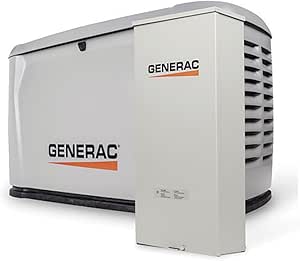 | Best for Maximum Listed Capacity | Power source: Fuel powered | Voltage: 240 volts | Engine type: Internal combustion engine | VIEW LATEST PRICE | See Our Full Breakdown |
| Generac 14kW Whole Home Generator, Transfer Switch & Cellular Capability |  | Best for Essential-Circuit Backup | Fuel: Propane or natural gas | Voltage: 240 volts | Engine type: Internal combustion engine | VIEW LATEST PRICE | See Our Full Breakdown |
| Generac 14kW Whole Home Generator with Cellular Capability |  | Best for Connected-System Compatibility | Power source: Fuel powered | Voltage: 240 volts | Frequency: 60 hertz | VIEW LATEST PRICE | See Our Full Breakdown |
| Generac 26kW Whole Home Generator, Transfer Switch & Cellular Capability | | Best High-Capacity Middle Ground | Power source: Fuel powered | Voltage: 240 volts | Engine type: Internal combustion engine | VIEW LATEST PRICE | See Our Full Breakdown |
| Generac 26kW Whole Home Generator with Cellular Capability |  | Best for High-Demand Homes | Output wattage: 26,000 watts | Voltage: 240 volts | Power source: Fuel powered | VIEW LATEST PRICE | See Our Full Breakdown |
| Generac 10kW Whole Home Generator with Transfer Switch & Cellular Capability |  | Best for Essential-Load Backup | Output wattage: 10,000 watts | Fuel types: Liquefied petroleum gas and natural gas | Voltage: 120 volts | VIEW LATEST PRICE | See Our Full Breakdown |
| Generac 22kW Whole Home Generator with Cellular Connectivity | | Best Midrange Capacity | Output wattage: 22,000 watts | Fuel types: Natural gas or propane | Voltage: 240 volts | VIEW LATEST PRICE | See Our Full Breakdown |
| Generac 22kW Whole Home Generator, Transfer Switch & Cellular Capability | | Best 22kW Package Pick | Output wattage: 22,000 watts | Voltage: 240 volts | Power source: Fuel powered | VIEW LATEST PRICE | See Our Full Breakdown |
| whole house standby generator | Voltage | Dimensions | Weight | Warranty |
|---|---|---|---|---|
| Generac Guardian 22kW Home Gen | 240 volts | 50 x 27 x 29 inches | 466 pounds | 5-year limited warranty |
| Generac 28kW Whole Home Genera | 240 volts | 46.4 x 26.3 x 30.7 inches | 524 pounds | 5-year limited warranty |
| Generac 14kW Whole Home Genera | 240 volts | 46.4 x 26.3 x 30.7 inches | 391 pounds | — |
| Generac 14kW Whole Home Genera | 240 volts | 46.4 x 26.3 x 30.7 inches | 391 pounds | — |
| Generac 26kW Whole Home Genera | 240 volts | 46.4 x 26.3 x 30.7 inches | 524 pounds | — |
| Generac 26kW Whole Home Genera | 240 volts | 46.4 x 26.3 x 30.7 inches | — | 5-year limited warranty |
| Generac 10kW Whole Home Genera | 120 volts | 47.3 x 25.6 x 30.7 inches | — | 5-year limited warranty |
| Generac 22kW Whole Home Genera | 240 volts | 46.4 x 26.3 x 30.7 inches | — | — |
| Generac 22kW Whole Home Genera | 240 volts | 46.4 x 26.3 x 30.7 inches | — | 5-year limited warranty |
More Details on Our Top Picks
Generac Guardian 22kW Home Generator, Transfer Switch & WiFi Monitoring
I’d put this 22kW Guardian first for homeowners who want substantial standby capacity with a clearly specified transfer switch and monitoring included. Its 22,000 watts sits between the 14kW Generac models, which are better suited to essential circuits or carefully managed loads, and the larger 26kW and 28kW options for homes with greater demand. Wi-Fi monitoring lets owners check generator status remotely without the cellular capability described for those higher-output alternatives. The included outdoor transfer switch supports automatic backup, but the 466-pound unit is not a casual setup project: I’d plan for licensed installation and confirm the load calculation before choosing it. It also runs on natural gas or LP, though the right fuel connection and site conditions need professional review.
Pros:- 22,000-watt output offers more capacity than the listed 14kW models.
- Outdoor transfer switch is included for automatic backup setup.
- Wi-Fi monitoring supports remote performance checks.
- Runs on natural gas or LP and includes a stated five-year limited warranty.
Cons:- At 466 pounds, it requires careful delivery and professional installation.
- Licensed electrical and fuel-system work adds installation complexity.
- Its capacity is below the 26kW and 28kW Generac alternatives.
Best for: Homeowners seeking around 22kW of automatic backup, a bundled outdoor transfer switch, and Wi-Fi status checks, with a professional installer available.
Not ideal for: Buyers who need the greatest listed capacity, want cellular monitoring, or have a small essential-circuits-only load that a 14kW unit may cover.
- Fuel:Natural gas or LP gas
- Voltage:240 volts
- Engine:Generac G-Force 1000 Series
- Engine displacement:999 cc
- Weight:466 pounds
- Dimensions:50 x 27 x 29 inches
- Warranty:5-year limited warranty
Our verdict“Choose the Guardian 22kW if you want a well-specified mid-to-high-capacity package with Wi-Fi monitoring rather than the extra output of the 26kW or 28kW models.”
Generac 28kW Whole Home Generator, Transfer Switch & Cellular Capability
For a property with high electrical demand, this 28kW Generac offers the most listed output in this batch. That extra headroom can matter when a household wants to run several major systems at once, but a load calculation is still needed; the wattage alone cannot confirm what a particular home can support. Compared with the 26kW Generac, this model provides another 2kW, while the 22kW Guardian is a smaller, less capacity-focused alternative with Wi-Fi monitoring specified. This unit lists cellular monitoring, automatic voltage regulation, low-oil shutdown, and a transfer switch. The tradeoffs are its 524-pound weight and the cellular subscription requirement for remote monitoring. I’d choose it only when the extra output has a clear purpose, rather than paying the installation burden for unused capacity.
Pros:- Highest stated output among the five products in this batch at 28kW.
- Transfer switch is included for automatic backup operation.
- Cellular monitoring provides remote performance tracking.
- Automatic voltage regulation and low-oil shutdown are listed features.
Cons:- Cellular remote monitoring requires a subscription.
- At 524 pounds, delivery and installation call for professional planning.
- May be more capacity than needed compared with the 14kW and 22kW options.
Best for: Owners of larger homes with a professionally calculated load that calls for more capacity than the 22kW or 26kW alternatives, plus cellular status access.
Not ideal for: Households with modest backup needs, buyers who want to avoid a cellular monitoring subscription, or anyone unable to arrange professional delivery and installation.
- Power source:Fuel powered
- Voltage:240 volts
- Engine type:Internal combustion engine
- Monitoring:Cellular capability
- Weight:524 pounds
- Dimensions:46.4 x 26.3 x 30.7 inches
- Warranty:5-year limited warranty
Our verdict“Pick the 28kW model when a load calculation supports its extra capacity and you accept cellular monitoring and professional installation requirements.”
Generac 14kW Whole Home Generator, Transfer Switch & Cellular Capability
This 14kW Generac makes the most sense for buyers who want automatic backup for essential circuits or a carefully managed smaller home, rather than assuming every appliance can run at once. Its listing describes outage detection and startup within seconds, plus dual-fuel operation on propane or natural gas. Compared with the 22kW Guardian, it offers substantially less stated capacity, so larger homes or simultaneous heavy loads may need a higher-output choice. The upside is a more restrained capacity target and remote monitoring through built-in cellular connectivity. That feature comes with a paid Mobile Link subscription, and the 391-pound chassis still needs a planned installation with electrical and fuel connections. I’d verify the transfer-switch package and actual household load with the installer before treating this as whole-house coverage.
Pros:- Dual-fuel compatibility supports propane or natural gas.
- Automatic outage detection and startup are described in the product information.
- Built-in cellular connectivity supports app-based monitoring and control.
- 14kW output may suit essential-circuit plans that do not need a 22kW or larger unit.
Cons:- Lower output than the 22kW, 26kW, and 28kW alternatives limits simultaneous loads.
- Remote monitoring requires a paid Mobile Link subscription.
- The 391-pound unit and fuel and electrical connections require installation planning.
Best for: Owners of smaller homes or households prioritizing selected essential circuits, with a load plan that fits 14kW and access to natural gas or propane.
Not ideal for: Large households expecting to operate multiple high-demand appliances together, or buyers unwilling to pay for cellular monitoring access.
- Fuel:Propane or natural gas
- Voltage:240 volts
- Engine type:Internal combustion engine
- Ignition:Electronic
- Monitoring:Built-in cellular connectivity
- Weight:391 pounds
- Dimensions:46.4 x 26.3 x 30.7 inches
Our verdict“Choose this 14kW model for professionally planned essential-circuit backup, not for an unverified promise of running every home load at once.”
Generac 14kW Whole Home Generator with Cellular Capability
This listing’s distinguishing angle is cellular connectivity paired with stated compatibility with systems such as Generac PWRcell and ecobee thermostats. That may appeal to owners building a connected home energy setup, but the product data does not spell out the same dual-fuel details or transfer-switch inclusion given for the other 14kW Generac in this batch. I’d treat those as questions to resolve with the seller and installer, not as interchangeable assumptions. Its 14kW output puts it in the essential-load class beside that other 14kW option, and well below the 22kW Guardian and higher-capacity models. The 391-pound weight and paid cellular access add practical costs and planning needs. The supplied warranty information is also limited to a return-policy note, unlike products that specify a five-year limited warranty.
Pros:- 14,000-watt output suits a planned essential-load backup setup.
- Cellular connectivity enables app-based remote monitoring.
- Compatibility with PWRcell and ecobee systems is stated.
- Stainless-steel construction is listed.
Cons:- Transfer-switch inclusion and fuel specifics are not provided in the supplied product data.
- Cellular remote monitoring requires a subscription.
- Warranty details list a return policy rather than a stated five-year limited warranty.
Best for: Homeowners with a compatible Generac or ecobee setup who want 14kW standby capacity and are prepared to verify transfer-switch, fuel, and warranty details before purchase.
Not ideal for: Buyers who need a clearly documented transfer-switch bundle, want stated dual-fuel details, or prefer a listing with an explicit five-year limited warranty.
- Power source:Fuel powered
- Voltage:240 volts
- Frequency:60 hertz
- Connectivity:Cellular capability
- Listed compatibility:Generac PWRcell and ecobee thermostats
- Weight:391 pounds
- Dimensions:46.4 x 26.3 x 30.7 inches
- Material:Stainless steel
Our verdict“Consider this 14kW option for a compatible connected-home setup only after confirming the transfer switch, fuel configuration, and warranty with the seller.”
Generac 26kW Whole Home Generator, Transfer Switch & Cellular Capability
The 26kW Generac is the middle choice for homes whose calculated demand exceeds what the 22kW Guardian can cover but does not call for the batch’s full 28kW model. It lists automatic voltage regulation, automatic idle control, low-oil shutdown, and cellular monitoring, giving buyers more stated output than the Guardian alongside useful operating protections. Compared with the 28kW Generac, it gives up 2kW; compared with the 14kW models, it targets much heavier household loads. That positioning only helps if an electrician’s load assessment supports it. The unit weighs 524 pounds, so delivery and installation are substantial projects, and remote monitoring requires a cellular subscription. The product data also does not explicitly list a warranty term, despite the description mentioning five years, so I’d confirm warranty coverage before ordering.
Pros:- 26kW output exceeds the 22kW Guardian and both 14kW models.
- Cellular connectivity supports remote monitoring.
- Automatic voltage regulation, automatic idle control, and low-oil shutdown are listed.
- Fully enclosed design is specified.
Cons:- The 524-pound weight calls for professional delivery and installation planning.
- Cellular app monitoring requires a subscription.
- Warranty duration is mentioned in the description but not specified in the supplied specs.
Best for: Homeowners with high, professionally assessed backup demand who want more output than 22kW but do not need the listed 28kW maximum.
Not ideal for: Smaller households with essential-circuit needs, buyers who require a clearly stated warranty in the specs, or those avoiding cellular subscriptions and heavy installation work.
- Power source:Fuel powered
- Voltage:240 volts
- Engine type:Internal combustion engine
- Monitoring:Cellular capability
- Weight:524 pounds
- Dimensions:46.4 x 26.3 x 30.7 inches
- Construction:Aluminum and steel
Our verdict“Choose the 26kW model when a professional load assessment points above 22kW but does not justify stepping up to 28kW.”
Generac 26kW Whole Home Generator with Cellular Capability
At 26 kW, this model suits homes with heavier electrical demands better than the 22 kW Generac options in this lineup. That extra capacity may give homeowners more room to run multiple major loads during an outage, though the actual setup depends on the home, fuel supply, and installation design. Cellular monitoring adds remote status access, but it requires a subscription, so buyers who prefer Wi-Fi monitoring or no ongoing connectivity cost should compare alternatives such as the Generac Guardian 22kW Home Generator with WiFi Monitoring. The listed 524-pound weight also makes professional handling and installation a practical expectation. Its 5-year limited warranty and stated fuel-efficiency focus support long-term ownership, but the higher-capacity format is a poor fit for buyers whose essential loads can be covered by a smaller unit.
Pros:- 26 kW output offers more listed capacity than the 22 kW Generac models in this roundup.
- Automatic whole-home backup is designed to restore power during outages.
- Cellular connectivity supports remote monitoring and control.
- Includes a stated 5-year limited warranty and 24/7 support.
Cons:- Cellular monitoring requires a subscription.
- At 524 pounds, transport and installation call for professional planning.
- Higher capacity can mean unnecessary expense for homes with limited backup loads.
Best for: Owners of larger homes with several major electrical loads who want more listed capacity than the 22 kW models provide.
Not ideal for: Households with modest backup needs or buyers who want to avoid cellular subscription costs and the installation demands of a 524-pound unit.
- Output wattage:26,000 watts
- Voltage:240 volts
- Power source:Fuel powered
- Item weight:524 pounds
- Dimensions:46.4 x 26.3 x 30.7 inches
- Materials:Aluminum and steel
- Ignition system:Electronic
- Warranty:5-year limited warranty
Our verdict“Choose this 26 kW model if your home needs more capacity than the 22 kW options and you are comfortable with cellular service and professional installation.”
Generac 10kW Whole Home Generator with Transfer Switch & Cellular Capability
This 10 kW model is the capacity-conscious choice in this group, but its lower output makes it a different kind of whole-home solution from the 22 kW and 26 kW Generac units. It may suit a household prioritizing selected essentials rather than running many large loads at once; buyers should confirm capacity against their actual electrical loads. Its listed natural gas or propane compatibility gives it fuel flexibility, while cellular monitoring offers remote status access at the cost of a subscription. Compared with the Generac 22kW Whole Home Generator with Cellular Connectivity, this unit is easier to justify when backup demands are limited, but it has far less listed output. At 384 pounds, it is still a substantial permanent-installation appliance, and the supplied data does not specify the transfer switch model or installation details.
Pros:- 10 kW output provides a lower-capacity option than the 22 kW and 26 kW models.
- Specified for natural gas or liquefied petroleum gas.
- Cellular monitoring supports remote updates and control.
- Listed 5-year limited warranty and long service intervals support planned ownership.
Cons:- Its 10 kW output may not cover numerous large loads at the same time.
- Cellular remote monitoring requires a subscription.
- At 384 pounds, it still requires careful site and installation planning.
Best for: Homeowners who want automatic backup for a defined set of essential loads and have natural gas or propane available.
Not ideal for: Owners seeking broad coverage for multiple high-demand appliances, or buyers who need a generator compatible with fuels other than natural gas or propane.
- Output wattage:10,000 watts
- Fuel types:Liquefied petroleum gas and natural gas
- Voltage:120 volts
- Frequency:60 hertz
- Item weight:384 pounds
- Dimensions:47.3 x 25.6 x 30.7 inches
- Material:Aluminum
- Warranty:5-year limited warranty
Our verdict“Pick this model for automatic backup of a planned essential-load set, but choose a 22 kW or larger option if you expect to power more of the home simultaneously.”
Generac 22kW Whole Home Generator with Cellular Connectivity
The 22 kW output places this model between the 10 kW option and the higher-capacity 26 kW Generac, making it a practical middle ground for buyers who need more than essential-load coverage without stepping up to the largest unit here. It is specified for natural gas or propane, and weather-activated operation is intended for standby use rather than portable backup. Compared with the Generac 22kW Whole Home Generator, Transfer Switch & Cellular Capability, the listed core capacity and dimensions match; the latter explicitly names a transfer switch, while this product description does not. That distinction matters when comparing package contents, so buyers should verify what is included. Cellular monitoring adds convenience but entails a subscription, and its 451-pound weight makes this a permanent-installation project rather than a simple add-on.
Pros:- 22 kW output sits between the lineup’s 10 kW and 26 kW choices.
- Runs on natural gas or propane according to the product data.
- Automatic voltage regulation and low-oil shutdown are listed features.
- Fully enclosed, weather-activated design is specified for standby use.
Cons:- Cellular monitoring requires a subscription.
- The 451-pound unit needs professional installation planning.
- The listing does not specify a transfer switch, unlike the separately listed 22 kW package.
Best for: Households seeking a 22 kW standby unit with cellular monitoring and natural gas or propane fuel compatibility.
Not ideal for: Buyers who need the greater listed output of the 26 kW model, want to avoid a cellular subscription, or expect a lightweight installation.
- Output wattage:22,000 watts
- Fuel types:Natural gas or propane
- Voltage:240 volts
- Item weight:451 pounds
- Dimensions:46.4 x 26.3 x 30.7 inches
- Materials:Aluminum and steel
- Additional features:Automatic voltage regulation, low-oil shutdown, fully enclosed design
- Operation:Weather-activated
Our verdict“Choose this 22 kW model for midrange capacity and cellular monitoring, after confirming transfer-switch inclusion and installation requirements.”
Generac 22kW Whole Home Generator, Transfer Switch & Cellular Capability
This package is the clearer fit for buyers comparing 22 kW options who specifically want a transfer switch included: that inclusion is named in the product title, unlike the Generac 22kW Whole Home Generator with Cellular Connectivity. Both listings specify the same 22 kW output and 451-pound weight, so the choice is less about generator capacity and more about package contents and cellular monitoring. The stated transfer switch can simplify sourcing the automatic changeover component, but buyers should confirm the included switch’s configuration suits their electrical service. Cellular access requires a subscription, and this remains a heavy, permanently installed system. The product data lists a 5-year limited warranty, while the other 22 kW listing adds details such as fuel types and weather-activated operation; verify those specifications for this package before purchase.
Pros:- 22 kW output matches the other 22 kW Generac option in this batch.
- Product title explicitly includes a transfer switch.
- Cellular capability supports remote monitoring.
- Listed 5-year limited warranty and fuel-efficiency focus.
Cons:- Cellular monitoring requires a subscription.
- At 451 pounds, it requires a suitable site and professional installation.
- The listing data does not specify fuel type or transfer-switch configuration.
Best for: Homeowners who have settled on 22 kW capacity and prefer a listing that explicitly includes a transfer switch alongside cellular capability.
Not ideal for: Buyers seeking the 26 kW model’s higher listed output, or anyone who wants detailed fuel and operating specifications confirmed before choosing.
- Output wattage:22,000 watts
- Voltage:240 volts
- Power source:Fuel powered
- Item weight:451 pounds
- Dimensions:46.4 x 26.3 x 30.7 inches
- Materials:Aluminum and steel
- Warranty:5-year limited warranty
- Included component named in title:Transfer switch
Our verdict“Choose this package if you want a 22 kW Generac listing that explicitly names a transfer switch, and confirm switch compatibility and fuel details before ordering.”

How We Picked
I ranked these whole house standby generators by how clearly each listing supports a practical backup plan: stated output, whether a transfer switch is named as included, and the monitoring connection described. I gave extra weight to combinations that reduce package ambiguity, since generator capacity alone does not show whether a buyer has the equipment needed to connect the system to home circuits.
The ranking also reflects likely household fit. Higher-output models sit ahead for buyers who want more potential coverage, while lower-output options make sense for essential-circuit plans rather than automatic whole-home expectations. When two listings share a stated output, the named transfer switch or a clear connectivity distinction helps separate them; I do not treat cellular monitoring as a substitute for capacity, installation planning, or confirmed package details.
Factors to Consider When Choosing Whole House Standby Generators
Before choosing a model, I would treat the generator as one part of a home backup system, not a standalone appliance. The right choice depends on which loads must run together, what the package includes, and how the installation will be configured. These broader checks can prevent a mismatch that a wattage label or connectivity feature alone will not reveal.
Size for Loads That Run at the Same Time
Start by listing the circuits and appliances you expect to use during an outage, then identify which may operate simultaneously. Refrigeration, heating or cooling equipment, pumps, and cooking loads can create very different demands depending on the home and season. A higher generator rating may provide more room for overlapping loads, but it does not automatically mean every appliance can start together. Ask a qualified installer to account for both running demand and startup surges. Avoid choosing by square footage alone: two similarly sized homes can have very different electrical needs. If you only need essential circuits, a smaller unit paired with a thoughtful load plan may make more sense than buying capacity you rarely use.
Confirm the Transfer Switch and Package Contents
A standby generator needs a properly configured connection to the home, and the transfer switch is a central part of that setup. Product names in this roundup do not all describe package contents in the same way, so verify the exact switch type, included components, and compatibility before placing an order. Do not assume that two models with the same output include the same installation equipment. Ask whether the switch supports the circuits or service arrangement your home requires. The least expensive-looking configuration can call for additional components or coordination if key equipment is not included. Compare complete system scope, not just the generator model name.
Treat Connectivity as a Convenience, Not a Capacity Upgrade
WiFi and cellular monitoring can help owners check system status without standing beside the generator. Cellular service may be useful if the generator is outside WiFi range or the home internet connection is unreliable, but availability and ongoing service details should be confirmed. Monitoring does not increase electrical output or fix an undersized system. Ask what the app reports, what connection the setup requires, and whether any service terms apply. A buyer who routinely checks home systems remotely may value connectivity more than someone who prefers local checks. Compare the monitoring method separately from the generator’s ability to support your loads.
Plan Installation Before Settling on a Size
Site conditions can affect which model is practical, including available space, clearances, fuel supply, electrical layout, and local requirements. The installer can identify constraints that are not visible in a product listing and confirm whether the proposed location and configuration meet applicable rules. A larger unit may call for different site preparation or fuel planning than a smaller one. Ask for a written scope that identifies included equipment, required work, and any site-specific changes before making a final choice. Skipping this step can leave a buyer comparing generator specifications while overlooking major parts of the project. Get the installation plan reviewed alongside the model selection.
Match Output to Fuel and Home Priorities
Generator output is only one part of outage readiness; fuel type, supply capacity, and expected run needs matter too. Confirm which fuel arrangement the chosen unit supports and whether your home’s existing supply can serve the planned load. If several large appliances matter at once, ask the installer to model that use rather than relying on a general claim of whole-home coverage. Load management can help prioritize selected equipment when demand exceeds available capacity. Decide which loads are non-negotiable and which can pause during an outage. That plan may let you choose a smaller model without sacrificing the functions your household values most.
Frequently Asked Questions
Is a 22kW generator enough to back up my whole house?
It depends on which appliances and circuits you want to run at the same time, not just the home’s size. Heating or cooling equipment, pumps, and other motor-driven loads can add startup demand beyond their normal running draw. A 22kW option may suit a broad range of plans, but the product name alone cannot confirm full-home coverage for your setup. Have an electrician or generator installer calculate your expected loads and discuss load management. That assessment can show whether 22kW is a fit or whether a higher-output model is warranted.
Should I choose the 28kW model if I want to avoid choosing circuits?
The 28kW listing offers the highest stated output in this roundup, which gives it the strongest starting point for buyers seeking broad coverage. It still does not guarantee that every appliance can operate together under every condition. The home’s electrical demand, equipment startup loads, and transfer-switch configuration all affect the result. Ask an installer to confirm the specific loads the system can support and whether load management is needed. If your goal is to power only selected essentials, a smaller model may be a more suitable match.
How should I compare listings that have the same generator output?
Compare the complete configuration, not only the kilowatt rating. In this roundup, some listings explicitly name a transfer switch while others emphasize cellular connectivity, and those details can change what a buyer needs to verify. Check the exact included switch, monitoring method, compatibility, and any required additional components with the seller or installer. A product title may not describe every part of the package or installation scope. Ask for the model identifiers and a written equipment list before treating two same-output options as equivalent.
Is cellular monitoring worth choosing over WiFi monitoring?
Cellular monitoring can be useful when the generator is beyond reliable home WiFi coverage or when internet service may be interrupted during an outage. WiFi may be sufficient if the generator and router have dependable connectivity and you prefer not to rely on a separate cellular connection. Check what the monitoring system reports and whether cellular service requires activation or ongoing fees. Neither connection method changes the generator’s power capacity. Choose based on your site’s signal and how you plan to check system status remotely.
Can I buy the generator now and decide on installation details later?
You can research models first, but it is safer to have an installer review the home before committing to a configuration. Site placement, fuel availability, electrical service, transfer-switch fit, and local rules can affect the final equipment and work required. A model that appears suitable by output may not match the home’s layout or fuel setup. Ask for an installation assessment and a written scope that identifies included and additional equipment. This helps prevent a purchase that leaves important compatibility questions unresolved.
Conclusion
For most buyers seeking a balanced system with clear package details, I recommend the Generac Guardian 22kW as best overall, thanks to its named transfer switch and WiFi monitoring. The 10kW model is my best-value direction for an essentials-focused plan, provided an installer confirms its capacity fits the intended loads. For the best premium, broad-coverage choice, the 28kW model leads on stated output; buyers wanting substantial capacity below that should compare the 26kW options and verify switch inclusion. Beginners should start with a listing that clearly names a transfer switch, such as the Guardian 22kW, then confirm the full installation package. For buyers whose priority is remote status checks, compare the cellular-equipped options by signal availability and service details; for a tighter budget or limited backup plan, consider the 14kW models only after a load assessment. The right choice is the one whose confirmed capacity and included equipment match your home’s actual outage priorities.