TL;DR

Get backup power and energy gear delivered free with Prime
- Fast, free delivery on millions of items
- Prime Video, Amazon Music and more included
- Member-only deals all year
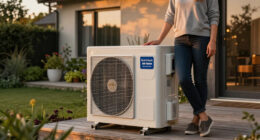
A new RMI study estimates that adding heat pumps in areas with spare winter grid capacity could lower residential electricity rates by spreading fixed grid costs across more electricity use. The estimates are directional, not forecasts, and do not show whether individual households would save money after switching from gas or another fuel.
A new study from clean-energy research group RMI estimates that adding heat pumps in states with spare winter grid capacity could lower residential electricity rates by spreading fixed grid costs across more electricity use. The analysis covers 24 states and Washington, D.C., but its authors describe the figures as directional estimates, not forecasts.
Electricity rates pay for both the power customers use and grid infrastructure such as poles, wires, power plants and transformers, along with regulated utility profits. RMI’s analysis argues that in many places the grid is built to handle summer demand peaks but is used less heavily in winter. Additional heat-pump use could increase electricity consumption during those lower-demand periods without necessarily requiring major new grid construction.
The study estimates that maximizing heat-pump deployment over the coming years, without building out the grid, could reduce residential electricity rates by an average of 13 percent compared with what rates would otherwise be after inflation. RMI equates that estimate to about $200 a year on a customer’s bill. Michigan is one example in the analysis: researchers estimate that installing 3.6 million residential heat pumps could lower overall residential rates by as much as 27 percent.
The researchers also examined how the type of heating system affects grid capacity. In Illinois, the study found that the grid could accommodate heat pumps as the sole heating appliance in 30 percent of households. A larger share could install heat pumps while retaining a fossil-fueled furnace or boiler for the coldest hours. The analysis identifies a mix of 79 percent hybrid systems and 21 percent all-electric heat-pump systems as an option for using available capacity and reducing rates in the scenario it examined.
How Winter Capacity Could Affect Rates
The findings challenge the broad claim that heat pumps necessarily add grid demand that requires expensive upgrades. RMI says many states have unused capacity in winter, while summer afternoons are the period when electricity use often peaks. Heat pumps can replace less-efficient air conditioners for cooling, the report says, so their installation would not necessarily increase summer peak demand.
If additional winter use can be served by existing infrastructure, spreading fixed costs over more electricity sales could reduce the per-kilowatt-hour rate charged to residential customers. That would make the study relevant to policymakers weighing heat-pump incentives, as well as to discussions about grid planning and energy affordability. The potential rate effect is not the same as a guaranteed reduction in every customer’s total bill.
Household costs depend on how much energy a home uses and the price of its current heating fuel compared with electricity. A household switching from relatively inexpensive gas could see different results from one replacing a more costly fuel. Insulation, local electricity prices and heat-pump efficiency also affect the outcome.
Products Worth Considering

LG C2 Series 65-Inch OLED evo 4K Smart TV (OLED65C2PUA, 2022)

Philips Hue Large Smart Light Tube, Black – White and Color Ambiance LED Color-Changing Light – 1 Pack

Blueair Blue Pure 511i Max Air Purifier for Home and Bedroom
As an affiliate, we earn on qualifying purchases.
The Grid’s Seasonal Demand Pattern
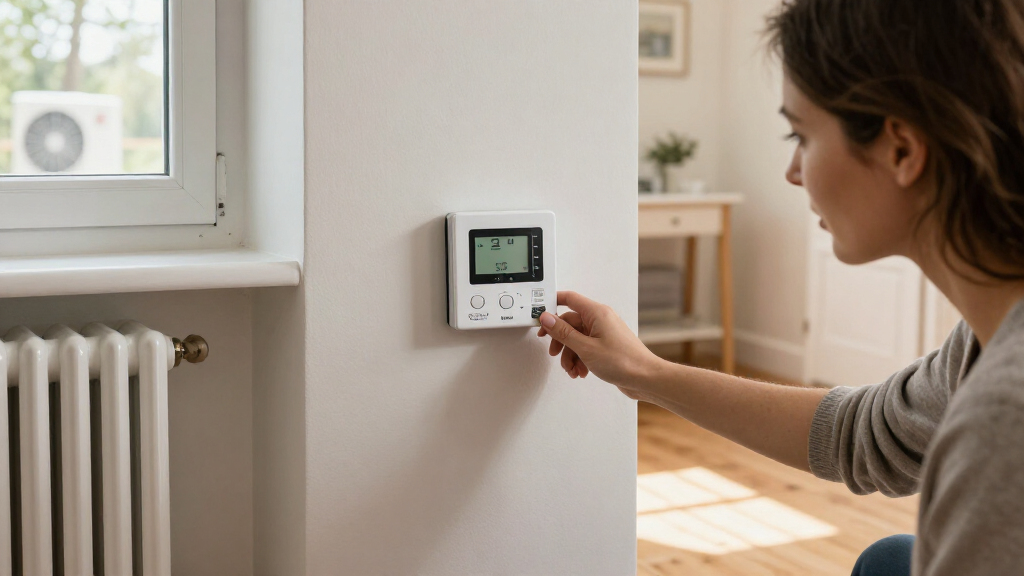
Heat pumps provide heating and cooling by moving heat rather than generating it through combustion. Their efficiency can make them a climate and air-quality benefit, but their electricity use has prompted questions about whether grids can support widespread adoption. RMI’s report focuses on a narrower question: whether existing capacity, particularly during winter, could accommodate more heat pumps and alter the distribution of fixed grid costs.
RMI study co-author Ryan Shea, a manager on the group’s carbon-free buildings team, compared underused grid infrastructure to a toll bridge with too few users. If more customers use the same infrastructure, its fixed cost can be spread across more usage. The analogy describes the study’s rate mechanism; it does not establish that rates will fall by a set amount in every utility area.
The analysis also distinguishes a household’s electricity rate from its total energy bill. University of Michigan assistant professor Parth Vaishnav, who reviewed the work, pointed to a 2024 Michigan study he co-authored that found some households switching from gas to heat pumps could face annual bills more than $1,000 higher under the fuel prices at that time. RMI did not estimate bill changes for households making the switch.
“It’s like a toll bridge with too few cars driving on it.”
— Ryan Shea, RMI study co-author
Rate Estimates Are Not Bill Forecasts
RMI lacked utility-specific data that could refine its calculations, and the study’s rate estimates are directional rather than forecasts. The supplied report does not provide enough detail to determine how each utility’s rates or infrastructure plans would respond to additional heat-pump use.
The analysis also does not estimate whether an individual household would save money after installing a heat pump. Total costs depend on the home, the heating equipment, local fuel prices and electricity use. In colder regions, heat pumps may need backup heating during the coldest periods. Some installations use electric-resistance backup strips, which can draw substantially more electricity and affect grid demand.
It remains unclear how the study’s statewide estimates would translate into outcomes for particular utilities, neighborhoods or households, and how quickly the estimated rate effects could occur. The findings describe potential impacts under the report’s assumptions, not confirmed rate reductions.
Utility Data and Hybrid Heating
The report points to more detailed utility-level analysis as a next step for testing where spare capacity exists and how much additional winter demand it can serve. Policymakers could use such work to evaluate whether heat-pump incentives would help manage grid costs, but the supplied source does not identify a specific policy decision or implementation schedule.
For households and planners, the study also brings attention to hybrid heating systems as one way to add heat pumps while retaining backup for the coldest hours. Whether that approach is appropriate depends on local grid conditions and household circumstances. The central question ahead is whether utility-specific evidence confirms the potential rate benefits without shifting costs or creating higher bills for some customers.
Key Questions
What did the RMI study find about heat pumps and electricity rates?
RMI estimates that adding heat pumps where winter grid capacity is available could spread fixed infrastructure costs across more electricity use. For the 24 states and Washington, D.C., it analyzed, the study estimates an average residential rate reduction of 13 percent under its deployment scenario. The figure is directional, not a forecast.
Does the study show that every household would save money?
No. RMI did not estimate individual household bill changes. A lower electricity rate may help, but total costs also depend on electricity use, heating fuel prices, home insulation and heat-pump efficiency.
Why might heat pumps fit into the grid in winter?
RMI says many grids face their highest demand during summer heat, while winter use is lower in roughly half of U.S. states. Where capacity is available, added winter consumption may be served without triggering major grid expansion.
What is a hybrid heat-pump system?
A hybrid system combines a heat pump with an existing fossil-fueled furnace or boiler, which can provide backup during the coldest hours. RMI’s analysis considers this arrangement as a way to add heat pumps while limiting peak electricity demand.
What are the main limits of the study?
RMI did not have utility-specific data to refine its estimates, and the report does not forecast actual rate changes or calculate household savings. Its results indicate potential statewide impacts under the study’s assumptions.
Source: canarymedia.com