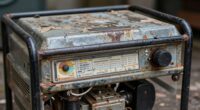
Generator frequency refers to how fast the electrical current oscillates, usually at 50 or 60 Hz. Maintaining this frequency stable is vital because it guarantees your appliances operate properly and safely. Fluctuations can cause issues like flickering lights, irregular operation, or even damage sensitive electronics. When the frequency is well-regulated, your devices stay protected and work efficiently. To understand how keeping the right frequency impacts your daily appliances, there’s more to discover ahead.
Prime for Young Adults — start your free trial
Fast free delivery, streaming and member deals for eligible 18–24 year olds.
As an affiliate, we earn on qualifying purchases.
Key Takeaways
- Consistent generator frequency ensures appliances operate smoothly and avoid unexpected shutdowns or malfunctions.
- Fluctuations can cause flickering lights and irregular appliance behavior.
- Sensitive electronics rely on stable frequency to prevent damage and data loss.
- Proper regulation maintains power quality, extending appliance lifespan.
- Stable frequency supports safe, efficient operation of all household electrical devices.
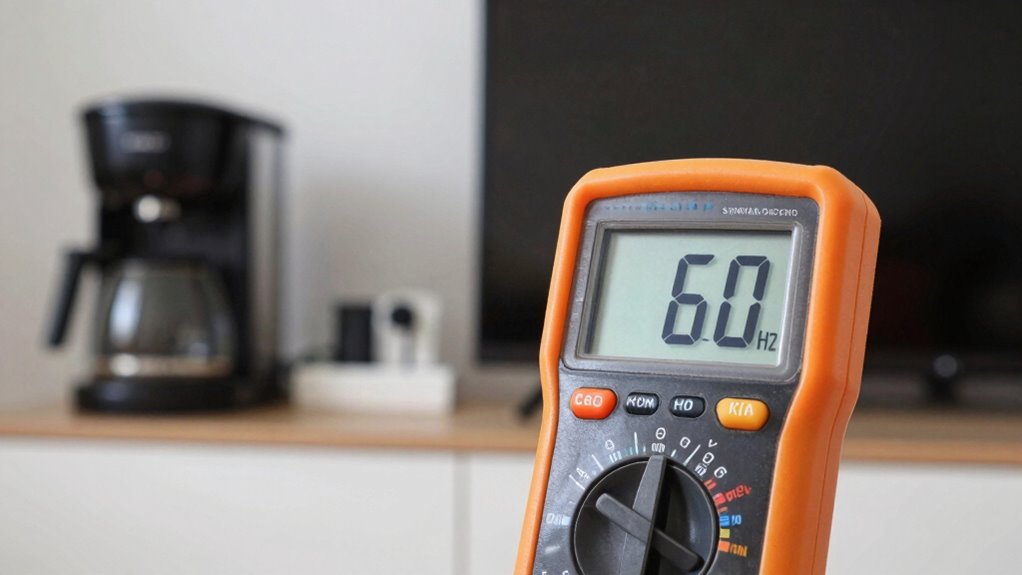
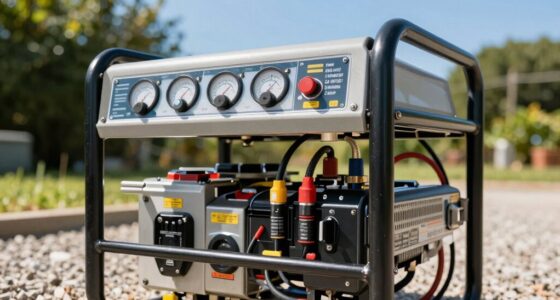
Have you ever wondered how your appliances respond when running on a generator? When you rely on a generator for power, understanding what the generator frequency means becomes essential because it directly impacts the performance and safety of your devices. Power stability is fundamental to keep your appliances functioning smoothly, and the generator’s frequency plays a key role in maintaining that stability. If the frequency fluctuates too much, it can cause your appliances to behave unexpectedly, sometimes leading to damage or reduced lifespan.
Generators produce alternating current (AC), which oscillates at a specific frequency—usually 60 Hz in North America and 50 Hz in many other parts of the world. This frequency acts as a timing standard for most electrical appliances and devices. When the generator maintains a consistent frequency, it guarantees that appliances like refrigerators, computers, and televisions operate as intended. Conversely, if the frequency drifts away from its target value, it can cause issues such as overheating, misoperation, or even early failure of sensitive electronics. This is where frequency regulation becomes essential, as it keeps the generator’s output within a narrow, safe range, guaranteeing power remains stable.
Your appliances are designed to work best within a specific frequency range. When the generator’s frequency stays steady, your devices experience less stress and operate more efficiently. But if the frequency varies greatly—say, due to a load change or generator malfunction—you might notice flickering lights, irregular operation, or abnormal noises. These symptoms indicate that the generator isn’t providing the necessary frequency regulation, which can compromise power quality and harm your appliances over time. Understanding power quality and how it relates to generator frequency can help you better manage your energy sources. Additionally, generator control systems play a vital role in maintaining consistent frequency and preventing these issues. Properly functioning control systems help minimize voltage fluctuations and ensure the durability of your equipment. Furthermore, maintaining a stable frequency is crucial for preventing electrical disturbances that could disrupt sensitive electronic devices.
In practical terms, a generator that provides stable power with consistent frequency helps prevent unexpected shutdowns and reduces the risk of damage to your electronic devices. It also means you won’t have to worry about sudden surges or dips in power that can cause data loss or hardware failure. To achieve this, many generators come equipped with automatic voltage regulators and governors that adjust engine speed to keep the frequency steady, especially when the load varies. This consistency is essential for appliances that depend on precise timing, such as clocks, audio equipment, and medical devices. Maintaining generator reliability is crucial for ensuring your power supply remains safe and consistent over time.
As an affiliate, we earn on qualifying purchases.
Frequently Asked Questions
Can Appliances Operate Safely at Different Generator Frequencies?
Appliances may not operate safely at different generator frequencies because voltage stability and power quality can be compromised. When the frequency shifts, it can cause appliances to run inefficiently, overheat, or even get damaged. You should always match your appliances to the generator’s frequency or use a frequency converter. Doing so helps maintain voltage stability, guarantees proper operation, and protects your devices from potential harm.
How Does Frequency Fluctuation Affect Electronic Device Performance?
Imagine your devices as delicate dancers relying on a steady rhythm; frequency fluctuations disrupt their performance. When the generator’s frequency varies, it causes voltage instability, impacting power quality. This can lead to erratic device behavior, reduced lifespan, or malfunction. You’ll notice performance issues, such as flickering screens or unresponsive electronics. Maintaining stable frequency ensures your appliances operate smoothly, safeguarding their longevity and ensuring consistent voltage stability for peak performance.
What Types of Appliances Are Most Sensitive to Frequency Changes?
You’ll find that sensitive appliances like clocks, radios, and medical devices are most affected by frequency changes. These appliances rely on voltage stability and load adaptability to function accurately. When frequency fluctuates, it can cause timing errors or malfunction. So, if your generator’s frequency isn’t stable, these devices may not perform properly. Ensuring a consistent frequency helps maintain their precision and safety, protecting your valuable equipment.
Is It Necessary to Use a Frequency Converter for All Appliances?
You don’t need a frequency converter for all appliances, only those sensitive to voltage stability and power quality. Imagine the steady hum of your fridge or the gentle glow of your laptop—if frequency drifts, it disrupts their rhythm. Sensitive devices like clocks or medical equipment demand precise frequencies. For everyday appliances, consistent power from a stable generator usually suffices, so use converters only when necessary to guarantee safe, reliable operation.
How Do Generators Maintain Consistent Frequency During Power Outages?
During power outages, generators maintain consistent frequency through voltage stability and load regulation. You can trust that automatic controls adjust the generator’s engine speed and voltage output, ensuring steady frequency despite varying loads. These systems constantly monitor and adapt to fluctuations, preventing frequency drops or spikes. As a result, your appliances receive reliable power, protecting their operation and prolonging their lifespan during outages.
automatic generator voltage regulator
As an affiliate, we earn on qualifying purchases.
As an affiliate, we earn on qualifying purchases.
Conclusion
Understanding generator frequency helps you keep your appliances running smoothly and safely. If you ignore it, you risk damaging your devices or experiencing unexpected failures, which can be frustrating and costly. But don’t let fear hold you back—by paying attention to frequency, you’re taking control of your power source and protecting what matters most. Stay informed, stay prepared, and enjoy peace of mind knowing your appliances are in good hands.
As an affiliate, we earn on qualifying purchases.
As an affiliate, we earn on qualifying purchases.
NFL season / tailgating Picks
team gear
As an affiliate, we earn on qualifying purchases.