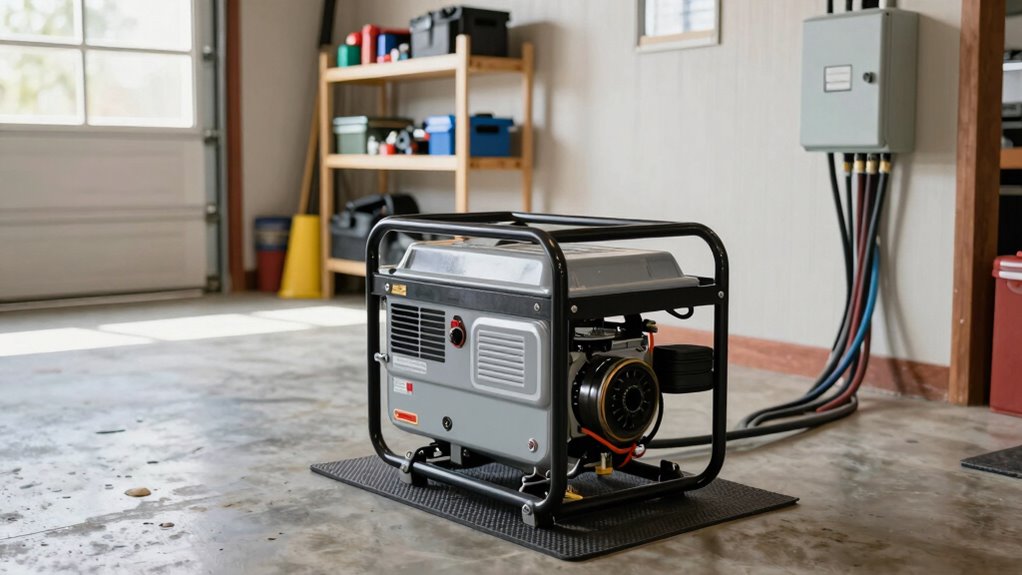
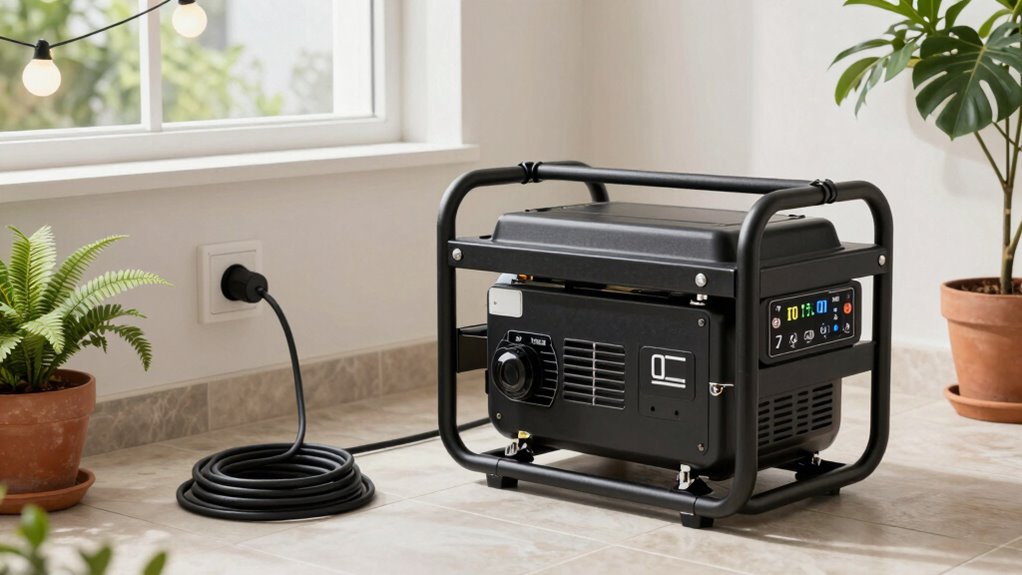
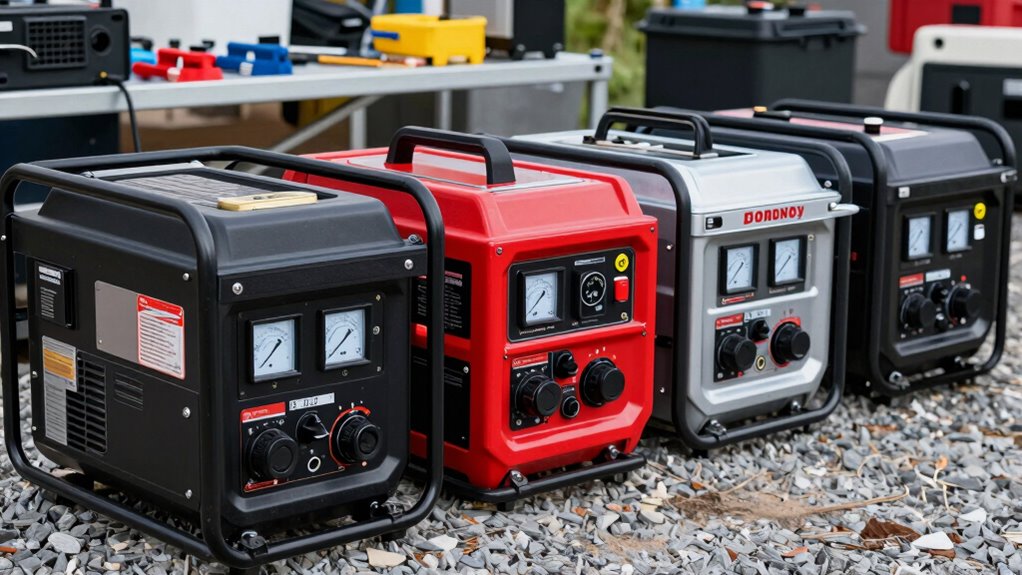
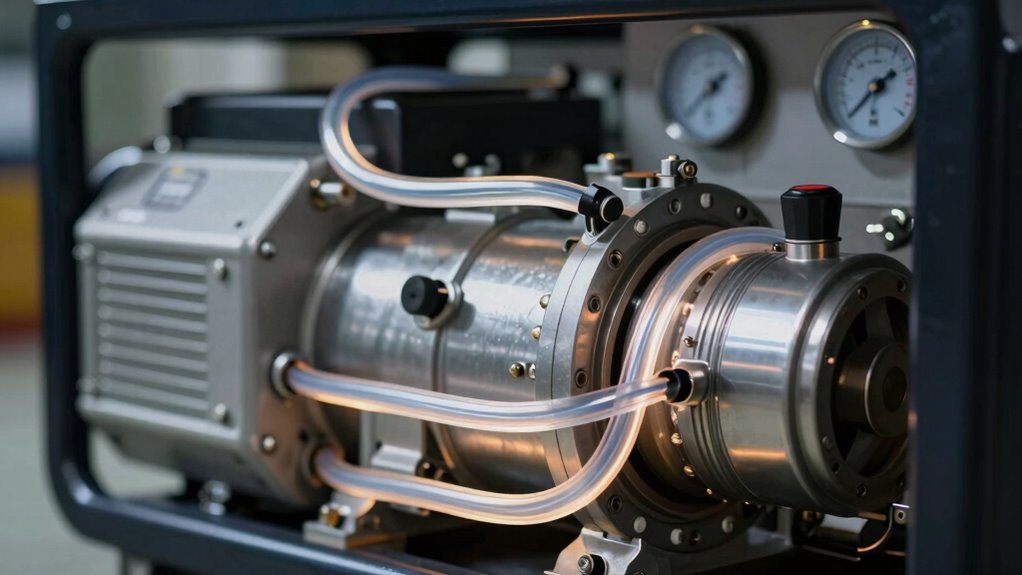
Understand how to select the perfect small apartment generator to ensure reliable backup power—your essential guide to safe and efficient energy solutions.
Browsing Category
Power Math
75 posts
How to Calculate a Safe Generator Buffer for Emergencies
Most importantly, understanding how to properly calculate your generator buffer ensures reliable emergency power—continue reading to master this essential skill.
Why Some Appliances Need More Start-Up Power Than You Think
Discover why some appliances demand more start-up power than expected and how understanding these factors can protect your system from damage.
The Difference Between Clean Power and Stable Power
Learn the key differences between clean and stable power and discover how balancing both can ensure reliable, eco-friendly energy for the future.
What Continuous Power Really Means on a Generator
Just understanding what continuous power truly means on a generator reveals how to keep critical systems always operational and ready for any situation.
Why Wattage Labels on Appliances Can Be Misleading
Not all wattage labels tell the full story about an appliance’s true energy use and performance, so understanding the hidden factors is essential.
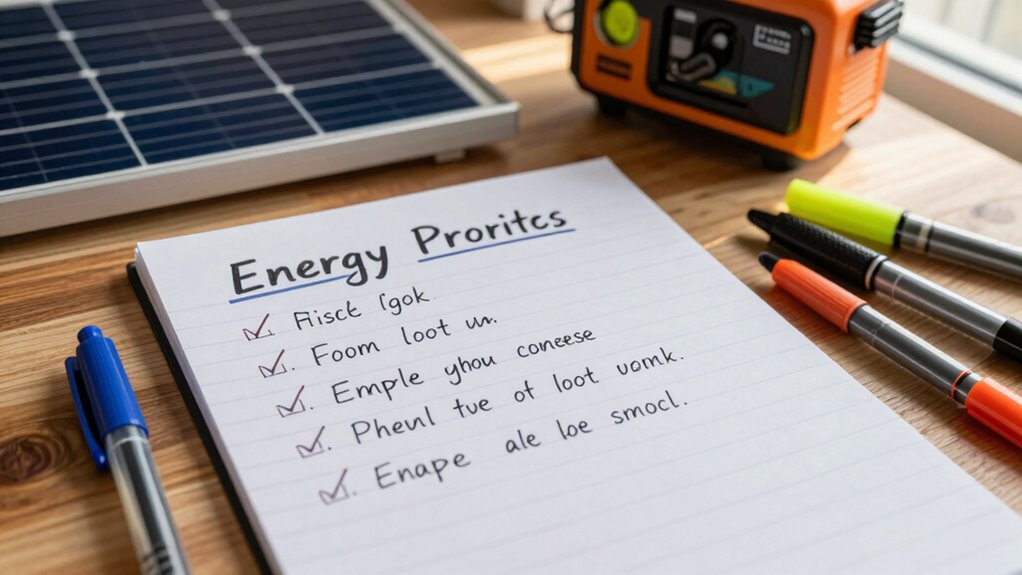
How to Build a Simple Home Power Priority List
Just follow these steps to prioritize your home power needs effectively and ensure you never run out of essentials when it matters most.
What Happens When a Generator Is Slightly Overloaded
Overloading your generator slightly can cause serious damage and reduce lifespan, but understanding the signs and prevention methods can save you from costly repairs.
Can You Run Too Small a Generator Safely?
Sure, running a generator that’s too small can be risky, but understanding the potential dangers is crucial to prevent damage or safety hazards.
Why Portable Generators Lose Output Over Time
Not addressing fuel degradation and component wear can cause portable generators to lose output, but the full reasons and solutions are worth exploring.